

























































Science for the Planet: Engineering a Cooler Future Through Smarter Buildings – Columbia University

Engineering a Cooler Future: Enhancing Building Efficiency to Combat Climate Change

Introduction
Buildings represent one of the largest sources of greenhouse gas emissions globally. Addressing energy consumption in buildings offers a rapid and cost-effective strategy to mitigate climate change, aligning closely with the United Nations Sustainable Development Goals (SDGs), particularly SDG 7 (Affordable and Clean Energy), SDG 11 (Sustainable Cities and Communities), and SDG 13 (Climate Action).
Research and Innovation in Building Efficiency
Alexis Abramson, professor and dean at the Columbia Climate School, leads research focused on improving building efficiency through advanced data analytics, machine learning, and intelligent design. Her work involves analyzing electricity usage across thousands of buildings to identify opportunities for substantial reductions in energy consumption and emissions.
Key Findings and Strategies
- Modernizing Building Operations: Many buildings continue to operate using outdated systems. Modernizing these systems presents a significant opportunity to reduce emissions.
- Simple Upgrades: Replacing traditional lighting with LED technology can lead to immediate energy savings.
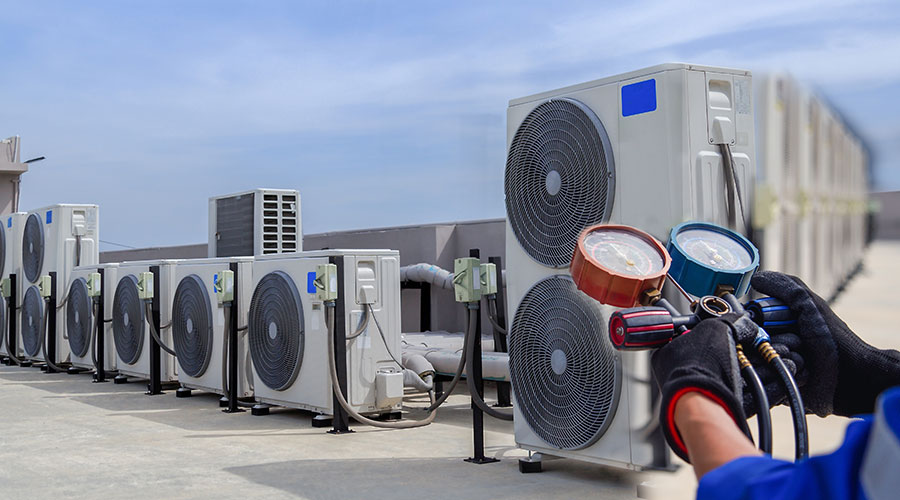
- System Overhauls: Upgrading heating and cooling systems can reduce energy use by up to 50%, contributing to lower greenhouse gas emissions.
Impact on Sustainable Development Goals
- SDG 7 – Affordable and Clean Energy: Energy-efficient buildings reduce overall energy demand, facilitating the transition to renewable energy sources.
- SDG 11 – Sustainable Cities and Communities: Enhancing building efficiency contributes to creating sustainable urban environments with reduced carbon footprints.
- SDG 13 – Climate Action: Lowering emissions from buildings directly supports global efforts to combat climate change.
- SDG 9 – Industry, Innovation, and Infrastructure: The integration of machine learning and smart design exemplifies innovation in infrastructure development.
Additional Resources
For further insights into Alexis Abramson’s research and the role of energy efficiency in climate solutions, refer to the detailed conversation available here: Energy Efficiency Begins at Home: A Conversation with Alexis Abramson.
Multimedia Engagement
This video is part of the ongoing Science for the Planet explainer series, showcasing how Columbia Climate School scientists are advancing understanding and solutions to climate change.
1. Sustainable Development Goals (SDGs) Addressed
- SDG 7: Affordable and Clean Energy
- The article focuses on improving energy efficiency in buildings, which aligns with ensuring access to affordable, reliable, sustainable, and modern energy.
- SDG 11: Sustainable Cities and Communities
- Making buildings more energy-efficient contributes to sustainable urban development and reducing environmental impact.
- SDG 13: Climate Action
- Reducing greenhouse gas emissions from buildings directly supports combating climate change and its impacts.
2. Specific Targets Under Those SDGs
- SDG 7 Targets
- Target 7.3: By 2030, double the global rate of improvement in energy efficiency.
- SDG 11 Targets
- Target 11.6: By 2030, reduce the adverse per capita environmental impact of cities, including by paying special attention to air quality and municipal and other waste management.
- SDG 13 Targets
- Target 13.1: Strengthen resilience and adaptive capacity to climate-related hazards and natural disasters in all countries.
- Target 13.2: Integrate climate change measures into national policies, strategies, and planning.
3. Indicators Mentioned or Implied in the Article
- Energy Consumption Metrics
- Electricity use data from thousands of buildings analyzed to measure energy efficiency improvements.
- Greenhouse Gas Emissions
- Reduction in emissions from buildings as a result of energy efficiency measures such as LED lighting and upgraded heating/cooling systems.
- Energy Efficiency Improvement Rate
- Percentage reduction in energy use (e.g., up to 50% reduction in heating and cooling energy consumption).
4. Table of SDGs, Targets, and Indicators
| SDGs | Targets | Indicators |
|---|---|---|
| SDG 7: Affordable and Clean Energy | Target 7.3: Double the global rate of improvement in energy efficiency by 2030. |
|
| SDG 11: Sustainable Cities and Communities | Target 11.6: Reduce adverse environmental impact of cities by 2030. |
|
| SDG 13: Climate Action |
|
|
Source: news.climate.columbia.edu
What is Your Reaction?
 Like
0
Like
0
 Dislike
0
Dislike
0
 Love
0
Love
0
 Funny
0
Funny
0
 Angry
0
Angry
0
 Sad
0
Sad
0
 Wow
0
Wow
0