Reducing Risk and Increasing Value Under Building Performance Standards – Facilitiesnet
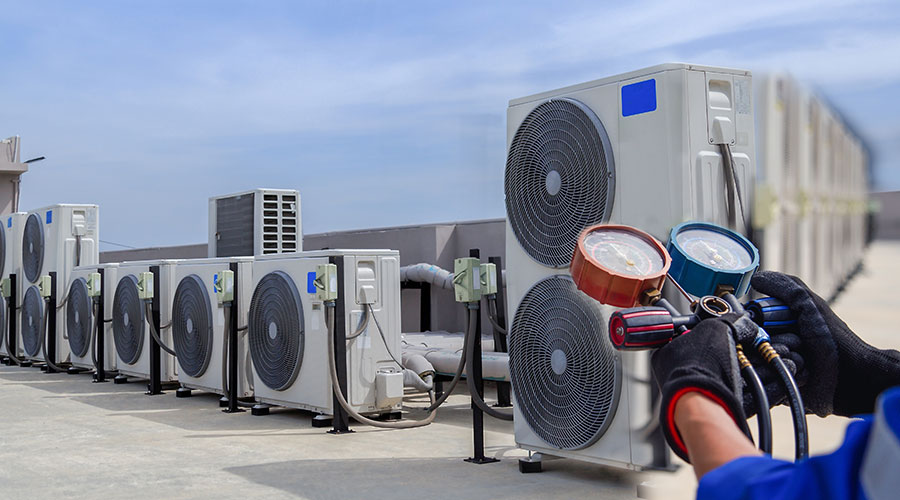
Building Performance Standards and Tenant Cooperation: Advancing Sustainable Development Goals
Introduction to Building Performance Standards (BPS)
Building Performance Standards (BPS) are transforming commercial real estate by requiring ongoing operational performance metrics such as energy use intensity (EUI) and greenhouse gas (GHG) emissions over multi-year cycles. Unlike traditional building codes focused on construction, BPS emphasize sustainability aligned with the Sustainable Development Goals (SDGs), particularly SDG 7 (Affordable and Clean Energy), SDG 11 (Sustainable Cities and Communities), and SDG 13 (Climate Action).
Role of Tenants in BPS Compliance
While building owners hold legal responsibility for BPS compliance, tenants significantly influence outcomes through their daily operations, including plug loads and HVAC usage. Tenant cooperation is critical to achieving energy efficiency and emissions reduction goals, contributing to SDG 12 (Responsible Consumption and Production) and SDG 13.
Key Aspects of Tenant Cooperation and Lease Agreements
- Data Sharing and Access: Tenants are often requested to share utility data, allow submetering, and provide access for audits and retrofits. Such collaboration supports transparency and accountability, essential for SDG 16 (Peace, Justice, and Strong Institutions).
- Penalty Protections: Penalties for non-compliance generally remain the owner’s responsibility and cannot be passed to tenants, safeguarding tenant interests and promoting fair practices.
- Cost Recovery and Guardrails: Owners may recover capital costs for efficiency upgrades through leases, but best practices include amortization over the asset’s useful life, capping annual pass-throughs at verified savings, and applying rebates or tax credits first. This approach aligns with SDG 8 (Decent Work and Economic Growth) by fostering sustainable economic practices.
Lease Structures and Their Impact on BPS Obligations
- Gross, Full-Service Leases: Tenants pay fixed rent; owners manage utilities and compliance.
- Net Leases (Single, Double, Triple): Tenants bear more variable expenses, including utilities and maintenance.
- Modified Gross and Percentage Leases: Shared responsibilities require clear definitions to avoid disputes.
- Absolute Net (Bond) Leases: Tenants assume full compliance and penalty obligations, common in long-term single-tenant agreements.
Green Lease Language and Tenant Rights
Incorporating green lease provisions supports SDG 17 (Partnerships for the Goals) by fostering collaboration between tenants and owners. Essential elements include:
- Monthly energy and water data sharing with confidentiality safeguards.
- Reasonable operational standards balancing comfort and sustainability.
- Cost recovery tied to measurement and verification (M&V) of savings.
- Remedies for non-performance with cure periods and fair cost allocation.
Tenant Rights Under BPS
- Penalty Protection: Ensures penalties remain owner liabilities.
- Transparency and Disclosure: Access to building performance data and compliance plans.
- Data Privacy: Confidential handling of tenant operational data.
- Habitability and Business Continuity: Minimizing disruption during compliance activities.
- Affordability and Anti-Displacement: Protection against rent increases due to upgrades.
- CAM and Utilities Clarity: Transparent definitions and allocation rules.
- ESG and Marketing Rights: Use of building compliance in sustainability reporting.
- Performance-Based Alignment: Rent or incentives linked to actual energy or GHG performance.
Tenant Negotiation Checklist for BPS Compliance
- Scope and Exposure: Confirm BPS applicability, targets, deadlines, and current performance.
- Penalty Protections: Include “No penalty pass-through” clauses and define cooperation standards.
- Cost Recovery Guardrails: Link capital cost recovery to amortization and M&V-verified savings with annual reconciliations.
- Operational Standards and Tenant Equipment: Agree on reasonable standards and equipment responsibilities.
- Data, Privacy, and Reporting: Define data sharing cadence, confidentiality, and reporting requirements.
- Access and Habitability: Establish notice periods, disruption limits, and remedies for significant impacts.
- CAM and Utilities Transparency: Clarify CAM coverage, utility metering, allocation, and audit rights.
- ESG and Marketing Rights: Secure rights to reference certifications and obtain owner cooperation for ESG disclosures.
- Performance-Based Leasing Options: Consider rent adjustments or incentives tied to verified energy or GHG targets.
Conclusion: Creating Win-Win Outcomes for Sustainable Development
BPS compliance centers on owners legally but depends heavily on tenant operations. Tenants who establish clear cooperation standards, codify penalty protections, and negotiate cost recovery with M&V guardrails contribute to achieving SDGs by promoting energy efficiency, reducing emissions, and enhancing workplace quality. This collaborative approach fosters sustainable urban development, supports climate action, and strengthens environmental, social, and governance (ESG) outcomes.
By treating BPS as an opportunity for value creation, tenants and owners can co-invest in high-return upgrades, ensure transparency, and share benefits such as lower utility costs and improved reputations. This partnership advances the global agenda for sustainable cities and communities (SDG 11) and climate resilience.
Craig Walter is Principal Energy Advisor at ENGIE Impact.
1. Sustainable Development Goals (SDGs) Addressed or Connected
- SDG 7: Affordable and Clean Energy
- The article discusses building performance standards (BPS) focused on energy use intensity (EUI) and greenhouse gas (GHG) emissions, emphasizing energy efficiency and clean energy use in commercial buildings.
- SDG 11: Sustainable Cities and Communities
- BPS aims to improve building operations and reduce emissions, contributing to sustainable urban environments and healthier workplaces.
- SDG 12: Responsible Consumption and Production
- Encourages efficient use of resources, such as energy and water, through operational standards and data sharing.
- SDG 13: Climate Action
- Focus on reducing greenhouse gas emissions from buildings aligns with climate mitigation efforts.
- SDG 16: Peace, Justice and Strong Institutions
- Legal frameworks and lease agreements codify responsibilities, penalties, and protections, promoting transparent and accountable governance in building management.
2. Specific Targets Under Those SDGs Identified
- SDG 7 – Target 7.3: By 2030, double the global rate of improvement in energy efficiency.
- BPS requires ongoing operational performance improvements measured by energy use intensity and GHG emissions.
- SDG 11 – Target 11.6: Reduce the adverse per capita environmental impact of cities, including by paying special attention to air quality and municipal and other waste management.
- Building emissions performance standards contribute to reducing environmental impacts of urban buildings.
- SDG 12 – Target 12.2: Achieve sustainable management and efficient use of natural resources.
- Operational standards and tenant cooperation promote efficient energy and water use.
- SDG 13 – Target 13.2: Integrate climate change measures into policies and planning.
- BPS and related lease clauses integrate climate action into building management policies.
- SDG 16 – Target 16.6: Develop effective, accountable and transparent institutions at all levels.
- Lease agreements codify penalty protections, cooperation standards, and data privacy, ensuring accountability and transparency.
3. Indicators Mentioned or Implied to Measure Progress
- Energy Use Intensity (EUI)
- Used as a metric to measure building energy performance over time.
- Greenhouse Gas (GHG) Emissions
- Measured to assess compliance with emissions reduction targets.
- Measurement and Verification (M&V)
- Annual measurement and verification processes to reconcile energy savings and cost recovery, ensuring accuracy in performance reporting.
- Utility Data Sharing and Submetering
- Data cadence and access enable tracking of energy and water use at tenant and building levels.
- Compliance Roadmaps and Performance Scores
- Used to track progress toward meeting BPS targets and deadlines.
- Rebates, Tax Credits, and Grants Applied
- Indicators of financial incentives utilized to support energy efficiency upgrades.
4. Table of SDGs, Targets, and Indicators
| SDGs | Targets | Indicators |
|---|---|---|
| SDG 7: Affordable and Clean Energy | Target 7.3: Double the global rate of improvement in energy efficiency by 2030 |
|
| SDG 11: Sustainable Cities and Communities | Target 11.6: Reduce adverse environmental impact of cities |
|
| SDG 12: Responsible Consumption and Production | Target 12.2: Achieve sustainable management and efficient use of natural resources |
|
| SDG 13: Climate Action | Target 13.2: Integrate climate change measures into policies and planning |
|
| SDG 16: Peace, Justice and Strong Institutions | Target 16.6: Develop effective, accountable and transparent institutions |
|
Source: facilitiesnet.com
What is Your Reaction?
 Like
0
Like
0
 Dislike
0
Dislike
0
 Love
0
Love
0
 Funny
0
Funny
0
 Angry
0
Angry
0
 Sad
0
Sad
0
 Wow
0
Wow
0