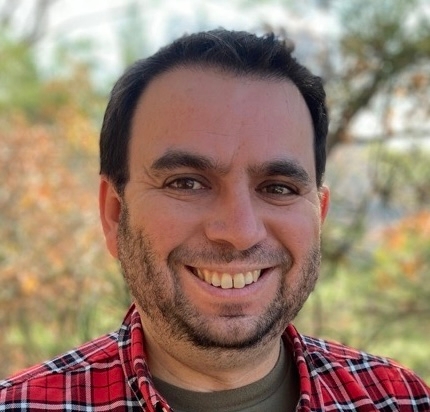
Sister’s struggle with addiction inspires opening of alcohol-free bar in Sioux City – KTIV

Report on Alcoholism and Community Support Initiatives in Sioux City
Introduction
Alcoholism remains a critical public health issue in Iowa, claiming nearly 2,000 lives annually, as reported by the National Center for Drug Abuse Statistics. This report highlights a community-driven initiative in Sioux City aimed at addressing alcoholism and promoting sobriety, aligning with the United Nations Sustainable Development Goals (SDGs), particularly SDG 3: Good Health and Well-being.
Community Initiative: Winnie’s Alcohol-Free Bar
In February 2023, Annie Krage, a Sioux City native, established Winnie’s, an alcohol-free bar located on Historic 4th Street. This initiative honors the memory of her sister, Whitney Dailey, who succumbed to cirrhosis of the liver caused by alcoholism at age 36.
Background and Motivation
- Whitney Dailey began drinking at age 16 and struggled with addiction for 20 years.
- Despite attempts at rehabilitation, Whitney was unable to achieve sobriety before her death.
- Annie Krage was inspired to create a supportive social environment that offers alcohol-free alternatives, potentially preventing addiction among youth.
Winnie’s Features and Community Impact
- Offers a selection of alcohol-free cocktails and recreational activities such as board games.
- Decorated with personal memorabilia and quotes from Whitney, fostering a sense of community and remembrance.
- Provides a safe social space that encourages healthy lifestyle choices and supports mental health.
Addressing Addiction and Promoting Sobriety
The initiative at Winnie’s aligns with SDG 3 by promoting mental health and well-being through community support and awareness.
Understanding Addiction
- Addiction is classified as a medical illness caused by repeated substance misuse, affecting the brain and nervous system.
- Substances include alcohol, marijuana, heroin, cocaine, and tobacco.
- Consequences of addiction include mood disorders, impaired impulse control, stress intolerance, and in severe cases, death.
Role of Community and Support Systems
- Unprocessed trauma often contributes to substance abuse as individuals seek to numb pain or escape anxiety and depression.
- Therapists emphasize that sobriety is not merely abstinence but a pathway to emotional freedom, self-trust, and authentic relationships.
- A supportive community is essential for recovery and sustained sobriety.
Resources and Support
Community members seeking assistance with mental health and addiction can access resources through local organizations:
Conclusion
The establishment of Winnie’s alcohol-free bar represents a community-based approach to combating alcoholism and supporting sobriety, contributing to the achievement of SDG 3: Good Health and Well-being. By fostering inclusive social spaces and emphasizing the importance of community support, initiatives like Winnie’s play a vital role in addressing addiction and promoting healthier lifestyles.
1. Sustainable Development Goals (SDGs) Addressed or Connected
- SDG 3: Good Health and Well-being
- The article focuses on alcoholism as a disease and its impact on health, including death caused by liver cirrhosis and addiction.
- It highlights the importance of rehabilitation, sobriety, mental health support, and community involvement in fighting addiction.
- SDG 11: Sustainable Cities and Communities
- The creation of an alcohol-free social space (Winnie’s bar) contributes to building inclusive, safe, and supportive community environments.
- SDG 16: Peace, Justice and Strong Institutions
- Addressing addiction and mental health through community support and rehabilitation relates to promoting peaceful and inclusive societies.
2. Specific Targets Under Those SDGs Identified
- SDG 3: Good Health and Well-being
- Target 3.5: Strengthen the prevention and treatment of substance abuse, including narcotic drug abuse and harmful use of alcohol.
- Target 3.4: Reduce by one third premature mortality from non-communicable diseases through prevention and treatment and promote mental health and well-being.
- SDG 11: Sustainable Cities and Communities
- Target 11.7: Provide universal access to safe, inclusive and accessible, green and public spaces, particularly for vulnerable populations.
- SDG 16: Peace, Justice and Strong Institutions
- Target 16.1: Significantly reduce all forms of violence and related death rates everywhere, which includes deaths related to substance abuse and addiction.
3. Indicators Mentioned or Implied to Measure Progress
- SDG 3 Indicators
- Indicator 3.5.1: Coverage of treatment interventions (pharmacological, psychosocial and rehabilitation and aftercare services) for substance use disorders.
- Indicator 3.4.2: Suicide mortality rate (implied through mental health and addiction support).
- Mortality rate due to liver cirrhosis and alcohol-related diseases (implied from the nearly 2,000 deaths annually in Iowa).
- SDG 11 Indicators
- Indicator 11.7.1: Average share of the built-up area of cities that is open space for public use for all, by sex, age and persons with disabilities (implied by the creation of alcohol-free social spaces).
- SDG 16 Indicators
- Indicator 16.1.4: Proportion of population that feel safe walking alone around the area they live (implied through community support and safe social spaces).
4. Table of SDGs, Targets and Indicators
| SDGs | Targets | Indicators |
|---|---|---|
| SDG 3: Good Health and Well-being |
|
|
| SDG 11: Sustainable Cities and Communities |
|
|
| SDG 16: Peace, Justice and Strong Institutions |
|
|
Source: ktiv.com
What is Your Reaction?
 Like
0
Like
0
 Dislike
0
Dislike
0
 Love
0
Love
0
 Funny
0
Funny
0
 Angry
0
Angry
0
 Sad
0
Sad
0
 Wow
0
Wow
0