












































TCL Technology Pioneers a Low-Carbon Future Through Advanced Water Management and Clean Technology Innovation – PR Newswire
TCL Technology’s Commitment to Sustainable Development Goals through Advanced Water Management and Clean Technology Innovation
Introduction
On December 19, 2025, TCL Technology, headquartered in Shenzhen, China, announced significant progress in its environmental, social, and governance (ESG) initiatives, emphasizing water resource protection and green technology innovation. These efforts align closely with the United Nations Sustainable Development Goals (SDGs), particularly SDG 6 (Clean Water and Sanitation), SDG 7 (Affordable and Clean Energy), SDG 9 (Industry, Innovation, and Infrastructure), SDG 12 (Responsible Consumption and Production), and SDG 13 (Climate Action).
Comprehensive Water Resource Management: From Risk Control to Circular Economy
TCL Technology has established a robust governance framework to lead in water resource management, contributing to SDG 6 by ensuring sustainable water use and management. The Strategy and Sustainability Committee under the Group’s Board of Directors oversees water management strategies and performance, ensuring continuous improvement and adherence to conservation principles across all subsidiaries.
- Governance and Policy Integration
- TCL CSOT has implemented a Water Resource Management Policy consisting of six sub-policies that define responsibilities for conservation, resource planning, and inspections, creating a closed-loop control process from target-setting to oversight.
- TCL Zhonghuan integrates water resource management indicators into its ESG performance evaluation framework, linking plant manager performance to executive remuneration to ensure accountability.
- Technological Innovation and Process Optimization
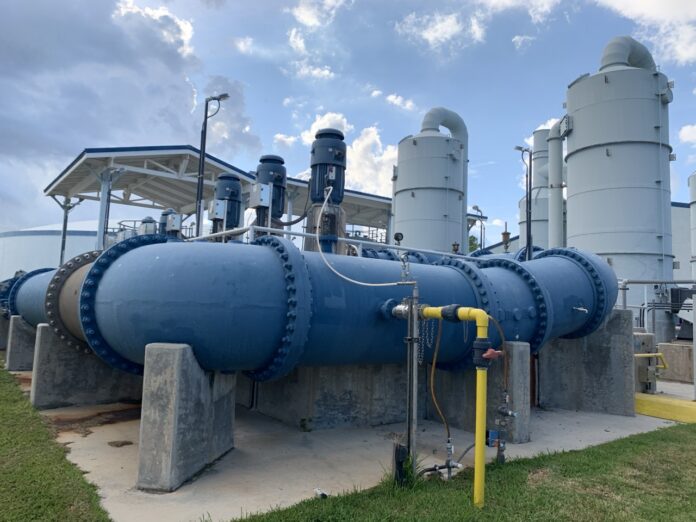
- Guangzhou TCL CSOT: Optimized brine reuse and rainwater collection systems, establishing a closed-loop framework for production, recycling, and reuse.
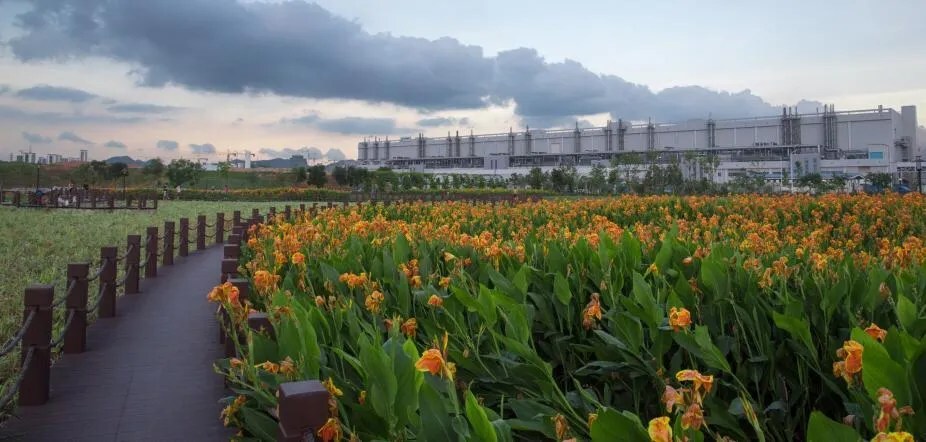
- Wuhan TCL CSOT: Adopted membrane separation technology to treat fluoride-bearing wastewater, enabling the reuse of 780,000 cubic meters of water annually. Additional measures include chemical precipitation to reduce heavy metals in silver-bearing wastewater and a wetland-based rainwater reuse system combining gray infrastructure with ecological solutions.
- Water Risk Assessment
- Using the World Resources Institute (WRI) Aqueduct Water Risk Atlas, TCL Technology’s subsidiaries assess water risk levels globally across factories, enabling tailored strategies to mitigate site-specific risks, such as the higher water stress identified at the Suzhou base.
Innovating for a Green Future: Clean Technology at the Core of TCL’s Strategy
TCL Technology’s commitment to clean technology innovation supports SDG 7 (Affordable and Clean Energy), SDG 9 (Industry, Innovation, and Infrastructure), and SDG 13 (Climate Action). The Company integrates sustainability into its business operations through a green management framework that spans the entire product lifecycle and promotes a low-carbon economy.
- Circular Economy Initiatives
- TCL CSOT collaborates with customers to promote circular economy principles by recycling and reusing primary packaging materials, reducing resource consumption and environmental impacts.
- In 2024, carbon footprint assessments were completed for the 12.9-inch display panel and 10.1-inch central control display module, leading to optimization of emission hotspots and the establishment of an ESG-oriented product R&D platform for green product development.
- Advancements in Photovoltaic Technology
- TCL Zhonghuan focuses on reducing the levelized cost of electricity (LCOE) in photovoltaic power systems by developing low-emission photovoltaic solar energy products through breakthroughs in wafer and cell technologies.
Impact on Sustainable Development Goals
- SDG 6 – Clean Water and Sanitation: Through comprehensive water management policies, technological innovations, and risk assessments, TCL Technology ensures sustainable water use and conservation.
- SDG 7 – Affordable and Clean Energy: Development of low-emission photovoltaic products contributes to increasing access to clean energy.
- SDG 9 – Industry, Innovation, and Infrastructure: Investment in clean technologies and circular economy practices fosters sustainable industrialization and innovation.
- SDG 12 – Responsible Consumption and Production: Circular economy initiatives reduce waste and promote resource efficiency.
- SDG 13 – Climate Action: Carbon footprint assessments and clean technology innovations support efforts to combat climate change.
Conclusion
TCL Technology’s integration of advanced water resource management and clean technology innovation establishes it as a leader in sustainable development. By embedding circular economy principles, resource conservation, and ESG-focused innovation into its operations, the Company contributes significantly to achieving the Sustainable Development Goals and creating positive environmental, business, and community impacts worldwide.
About TCL
Founded in 1981, TCL—short for “The Creative Life”—is a leading global technology brand dedicated to delivering innovative solutions including TVs, smartphones, audio products, smart home devices, display technologies, and clean energy. Operating through TCL Industries and TCL Technology, the Company has 47 R&D centers and 39 manufacturing bases worldwide, serving over 160 countries and regions. TCL is also an official Worldwide Olympic and Paralympic Partner in the Home Audiovisual Equipment and Home Appliances category.
1. Sustainable Development Goals (SDGs) Addressed or Connected
- SDG 6: Clean Water and Sanitation – The article emphasizes water resource protection, water management policies, water risk assessments, and water reuse technologies.
- SDG 7: Affordable and Clean Energy – Focus on photovoltaic power systems and low-emission solar energy products highlights clean energy innovation.
- SDG 9: Industry, Innovation, and Infrastructure – The article discusses technological innovation, clean technology development, and process optimization in manufacturing.
- SDG 12: Responsible Consumption and Production – Circular economy principles, recycling, reuse of materials, and carbon footprint assessments relate to sustainable production and consumption.
- SDG 13: Climate Action – The low-carbon future, carbon footprint reduction, and green technology innovation align with climate action goals.
2. Specific Targets Under Identified SDGs
- SDG 6 Targets:
- 6.3: Improve water quality by reducing pollution and increasing water recycling and safe reuse (e.g., membrane separation for wastewater treatment, brine reuse, rainwater collection).
- 6.4: Increase water-use efficiency across all sectors (e.g., closed-loop water management systems, water resource management policies).
- 6.5: Implement integrated water resources management at all levels (e.g., governance framework, water risk assessments using WRI Aqueduct).
- SDG 7 Targets:
- 7.2: Increase the share of renewable energy in the global energy mix (e.g., photovoltaic solar energy products development).
- 7.3: Double the global rate of improvement in energy efficiency (e.g., reducing levelized cost of electricity in photovoltaic systems).
- SDG 9 Targets:
- 9.4: Upgrade infrastructure and retrofit industries to make them sustainable, with increased resource-use efficiency and greater adoption of clean technologies (e.g., clean technology innovation, ESG-oriented R&D platform).
- SDG 12 Targets:
- 12.2: Achieve sustainable management and efficient use of natural resources (e.g., circular economy practices, recycling packaging materials).
- 12.5: Substantially reduce waste generation through prevention, reduction, recycling, and reuse (e.g., reuse of packaging materials, water reuse systems).
- 12.6: Encourage companies to adopt sustainable practices and integrate sustainability information into reporting cycle (e.g., ESG reports, performance evaluation linked to water management).
- SDG 13 Targets:
- 13.2: Integrate climate change measures into policies and planning (e.g., carbon footprint assessments, low-carbon product lifecycle optimization).
3. Indicators Mentioned or Implied to Measure Progress
- Water Resource Management Indicators:
- Water reuse volume (e.g., 780,000 cubic meters of treated wastewater reused annually at Wuhan TCL CSOT).
- Water risk levels assessed by WRI Aqueduct Water Risk Atlas (e.g., identification of water stress and consumption risks at factory sites).
- Inclusion of water resource management indicators in ESG performance evaluation frameworks (e.g., linking plant manager performance to water management outcomes).
- Energy and Emission Indicators:
- Levelized Cost of Electricity (LCOE) reduction in photovoltaic power systems.
- Carbon footprint assessments of products (e.g., 12.9-inch display panel and 10.1-inch control display module).
- Emission hotspots identification and optimization along product lifecycle.
- Circular Economy and Resource Efficiency Indicators:
- Recycling and reuse rates of primary packaging materials.
- Implementation of closed-loop water and material management systems.
4. Table: SDGs, Targets and Indicators
| SDGs | Targets | Indicators |
|---|---|---|
| SDG 6: Clean Water and Sanitation |
|
|
| SDG 7: Affordable and Clean Energy |
|
|
| SDG 9: Industry, Innovation, and Infrastructure |
|
|
| SDG 12: Responsible Consumption and Production |
|
|
| SDG 13: Climate Action |
|
|
Source: prnewswire.com
What is Your Reaction?
 Like
0
Like
0
 Dislike
0
Dislike
0
 Love
0
Love
0
 Funny
0
Funny
0
 Angry
0
Angry
0
 Sad
0
Sad
0
 Wow
0
Wow
0