
















The Cost of Ignoring Fossil Fuel Pollution’s Health Impacts – Inside Climate News
Report on the Health and Economic Impacts of Air Pollution and Climate Change
Introduction
Recent research led by Harvard University’s public health experts has highlighted the severe health and economic consequences of air pollution caused by fossil fuel combustion. This report emphasizes the critical link between air pollution, public health, and sustainable development, aligning with several Sustainable Development Goals (SDGs), including SDG 3 (Good Health and Well-being), SDG 7 (Affordable and Clean Energy), SDG 10 (Reduced Inequalities), and SDG 13 (Climate Action).
Background and Key Findings
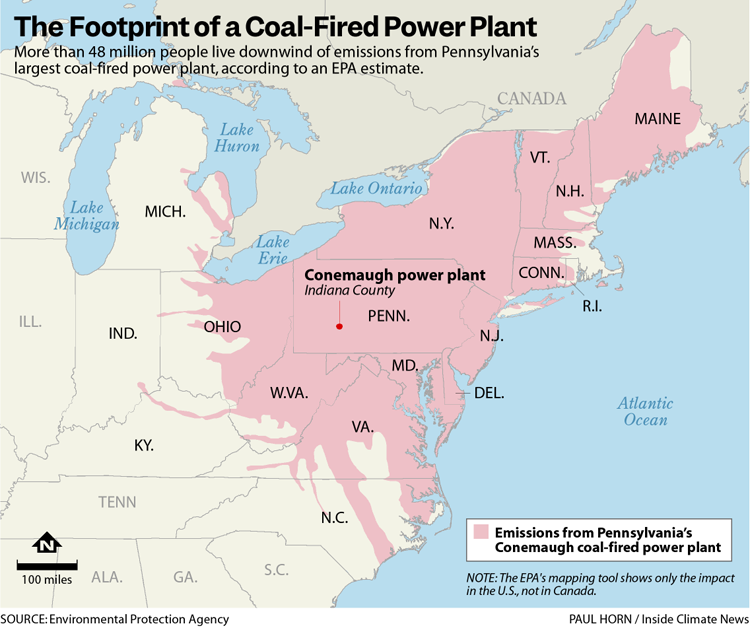
- Historical Research: The Six Cities study in the 1990s identified coal power plant emissions as significant contributors to premature deaths among downwind populations.
- Current Data: Harvard’s latest research estimates up to 300,000 premature deaths annually in the United States and 7 to 8 million globally due to fine particulate matter (PM2.5) from fossil fuel pollution.
- Health Impacts: Particulate matter not only affects lung health but also enters the bloodstream, increasing risks of heart attacks, strokes, and other systemic health issues.
Health and Economic Consequences
- Health Costs: Air pollution leads to increased hospital visits, chronic disease exacerbation, and lost productivity due to illness, directly impacting individuals and communities.
- Economic Losses: The United States currently loses approximately $100 billion annually in productivity due to extreme heat linked to climate change, with projections rising to $500 billion over the next two decades.
- Social Determinants: Health-related financial burdens exacerbate poverty and limit access to essential resources such as nutrition and education, perpetuating inequality.
Policy and Regulatory Challenges
The recent decision by the U.S. Environmental Protection Agency (EPA) to cease calculating healthcare savings from air pollution regulations undermines public understanding of the benefits of environmental protections. This action obscures the true costs of pollution and diminishes incentives for climate action, conflicting with SDG 13 (Climate Action) and SDG 3 (Good Health and Well-being).
Environmental Justice and Inequality
Air pollution disproportionately affects vulnerable populations, including people of color and those living in poverty, often residing in urban heat islands. This exacerbates social inequities and health disparities, highlighting the importance of SDG 10 (Reduced Inequalities) in addressing climate-related health impacts.
Communication and Public Perception
- Messaging Shift: Environmental groups are increasingly framing climate change impacts in terms of direct health effects to make the issue more relatable and urgent.
- Misinformation Risks: The spread of misinformation and mixed messaging undermines public trust in science and health guidance, complicating efforts to address climate and health challenges effectively.
- Mental Health Considerations: Anxiety related to climate change and environmental uncertainty contributes to mental health burdens, which remain stigmatized and under-addressed.
Recommendations for Sustainable Development
- Integrate Health into Climate Policy: Recognize health outcomes as central metrics in climate action strategies to enhance public engagement and policy effectiveness.
- Strengthen Environmental Regulations: Reinstate comprehensive assessments of health and economic benefits from pollution control to inform decision-making.
- Address Social Inequities: Implement targeted interventions to protect vulnerable communities from disproportionate environmental health risks.
- Enhance Public Communication: Promote accurate, science-based information to rebuild trust and empower communities to participate in sustainable practices.
- Support Mental Health Services: Incorporate mental health support within climate resilience programs to address anxiety and related challenges.
Conclusion
The intersection of air pollution, health, and economic impacts underscores the urgent need for integrated approaches aligned with the Sustainable Development Goals. Addressing fossil fuel pollution is not only essential for mitigating climate change but also for safeguarding public health, reducing inequalities, and fostering sustainable economic growth.
1. Sustainable Development Goals (SDGs) Addressed or Connected
- SDG 3: Good Health and Well-being
- The article discusses the health impacts of air pollution from fossil fuels, linking it to premature deaths, respiratory and cardiovascular diseases, and overall public health risks.
- SDG 7: Affordable and Clean Energy
- The focus on the harmful effects of burning fossil fuels implies a need for cleaner energy sources.
- SDG 10: Reduced Inequalities
- The article highlights how vulnerable populations, including people of color and those in poverty, are disproportionately affected by pollution and climate change impacts.
- SDG 13: Climate Action
- Discussion on climate change, greenhouse gas emissions, and the need for regulatory actions to mitigate environmental and health impacts.
- SDG 1: No Poverty
- Reference to millions falling into poverty due to health impacts of climate change and associated economic losses.
2. Specific Targets Under Those SDGs Identified
- SDG 3: Good Health and Well-being
- Target 3.9: By 2030, substantially reduce the number of deaths and illnesses from hazardous chemicals and air, water and soil pollution and contamination.
- SDG 7: Affordable and Clean Energy
- Target 7.2: By 2030, increase substantially the share of renewable energy in the global energy mix.
- SDG 10: Reduced Inequalities
- Target 10.2: By 2030, empower and promote the social, economic and political inclusion of all, irrespective of age, sex, disability, race, ethnicity, origin, religion or economic or other status.
- SDG 13: Climate Action
- Target 13.2: Integrate climate change measures into national policies, strategies and planning.
- SDG 1: No Poverty
- Target 1.2: By 2030, reduce at least by half the proportion of men, women and children of all ages living in poverty in all its dimensions according to national definitions.
3. Indicators Mentioned or Implied to Measure Progress
- Mortality and Morbidity Rates
- Number of premature deaths linked to air pollution (e.g., 300,000 deaths annually in the U.S.).
- Incidence of respiratory and cardiovascular diseases related to particulate matter exposure.
- Air Quality Indicators
- Levels of particulate matter (PM2.5 and lower) in the air.
- Greenhouse gas emissions from fossil fuel combustion.
- Economic Indicators
- Economic losses due to reduced productivity from extreme heat and health-related work absences (e.g., $100 billion lost productivity in the U.S.).
- Health care cost savings from pollution reduction measures (e.g., EPA estimate of $77 health benefits per $1 spent on reducing PM2.5).
- Poverty Rates
- Number of people falling into poverty due to health impacts of climate change (e.g., 44 million people as per World Bank estimates).
- Social Inequality Measures
- Disparities in exposure to heat deserts and pollution among vulnerable populations.
4. Table of SDGs, Targets, and Indicators
| SDGs | Targets | Indicators |
|---|---|---|
| SDG 3: Good Health and Well-being | Target 3.9: Reduce deaths and illnesses from pollution and contamination by 2030. |
|
| SDG 7: Affordable and Clean Energy | Target 7.2: Increase share of renewable energy in global energy mix by 2030. |
|
| SDG 10: Reduced Inequalities | Target 10.2: Promote social, economic, and political inclusion by 2030. |
|
| SDG 13: Climate Action | Target 13.2: Integrate climate change measures into national policies. |
|
| SDG 1: No Poverty | Target 1.2: Reduce proportion of people living in poverty by 2030. |
|
Source: insideclimatenews.org
What is Your Reaction?
 Like
0
Like
0
 Dislike
0
Dislike
0
 Love
0
Love
0
 Funny
0
Funny
0
 Angry
0
Angry
0
 Sad
0
Sad
0
 Wow
0
Wow
0