

















Great Barrier Reef bleaching projected to become near-annual, Tulane research finds – Tulane University News
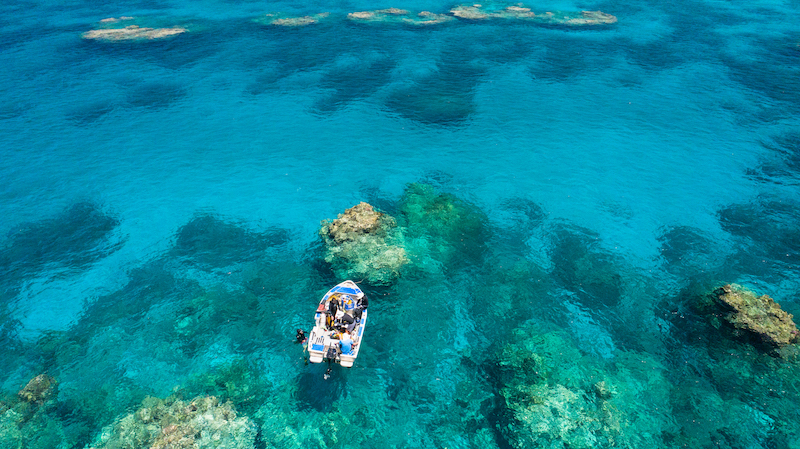
Report on the Future of Australia’s Great Barrier Reef and Sustainable Development Goals
Overview of the Study
Researchers from Tulane University have conducted a study projecting that Australia’s Great Barrier Reef will experience mass coral bleaching in most years throughout this century. The study emphasizes that while the reef faces severe threats, damage could be mitigated by reducing greenhouse gas emissions and enhancing coral heat tolerance.
Research Methodology
- Analysis of four decades of data on sea-surface temperature, ocean currents, and cloud cover.
- Calibration of models reproducing all major mass bleaching events on the Great Barrier Reef since the early 1980s.
- Utilization of climate projections from 23 global models to estimate bleaching frequency through 2100 under various emissions scenarios.
Key Findings
- Mass coral bleaching is projected to occur in most years this century under most scenarios, even when accounting for natural protective factors such as clouds and currents.
- The frequency of bleaching events leaves insufficient time for corals to reach reproductive age and recover.
- In an optimistic scenario where corals increase heat tolerance, bleaching breaks average only four to five years under the lowest emissions pathways, which is still shorter than the recovery period needed.
- There is no realistic future this century in which the Great Barrier Reef returns to its pre-bleaching state.
- Every reduction in greenhouse gas emissions contributes to preventing bleaching events and reducing overall reef damage.
Implications for Sustainable Development Goals (SDGs)
This study directly relates to several United Nations Sustainable Development Goals, including:
- SDG 13: Climate Action – The research highlights the critical importance of cutting greenhouse gas emissions to mitigate climate change impacts on marine ecosystems.
- SDG 14: Life Below Water – Protecting coral reefs is essential for maintaining marine biodiversity and ecosystem services.
- SDG 15: Life on Land – The study’s broader research efforts include coastal ecosystem restoration, which supports terrestrial and marine habitat conservation.
Ongoing and Future Research Efforts
- Use of high-precision drone and laser scanning systems to study water flow and temperature variations within coral reef habitats.
- Mapping water flow patterns at St. Croix to predict reef areas at highest risk of bleaching.
- Application of the same technology in Louisiana to survey restored oyster reefs and assess their effectiveness in growth and marsh stabilization.
Conclusion
The findings underscore the urgent need for global climate action to protect the Great Barrier Reef and similar ecosystems. While the reef’s full recovery to its original state is unlikely this century, efforts to reduce emissions can significantly diminish bleaching frequency and severity, contributing to the achievement of key Sustainable Development Goals.
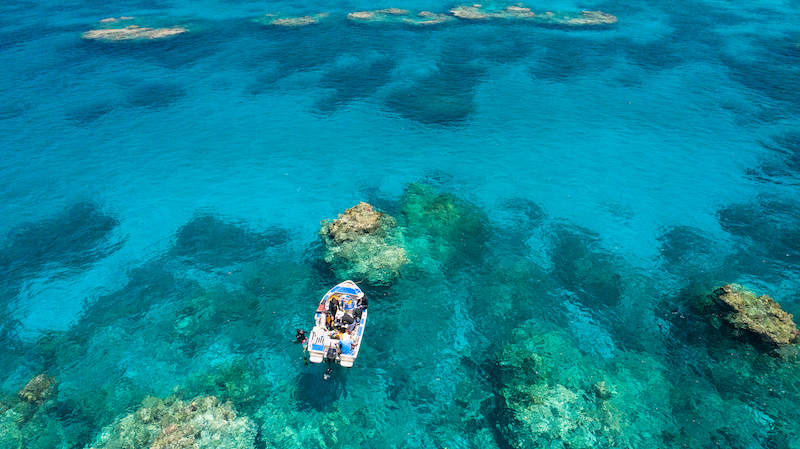
1. Sustainable Development Goals (SDGs) Addressed or Connected to the Issues Highlighted in the Article
- SDG 13: Climate Action
- The article discusses the impact of greenhouse gas emissions on coral bleaching and the importance of reducing emissions to protect the Great Barrier Reef.
- SDG 14: Life Below Water
- The focus on coral bleaching and reef health directly relates to conserving and sustainably using the oceans, seas, and marine resources.
- SDG 15: Life on Land
- The article mentions coastal restoration efforts, including oyster reef restoration and marsh stabilization in Louisiana, linking to ecosystem restoration on land.
2. Specific Targets Under Those SDGs Identified Based on the Article’s Content
- SDG 13: Climate Action
- Target 13.2: Integrate climate change measures into policies and planning.
- Target 13.3: Improve education, awareness, and human and institutional capacity on climate change mitigation, adaptation, impact reduction, and early warning.
- SDG 14: Life Below Water
- Target 14.2: Sustainably manage and protect marine and coastal ecosystems to avoid significant adverse impacts.
- Target 14.3: Minimize and address the impacts of ocean acidification, including through enhanced scientific cooperation.
- SDG 15: Life on Land
- Target 15.1: Ensure the conservation, restoration, and sustainable use of terrestrial and inland freshwater ecosystems.
- Target 15.3: Combat desertification, restore degraded land and soil.
3. Indicators Mentioned or Implied in the Article to Measure Progress Towards the Identified Targets
- Indicators Related to SDG 13
- Frequency of mass coral bleaching events (implied as a measure of climate change impact).
- Greenhouse gas emissions levels (implied as a factor influencing coral bleaching frequency).
- Indicators Related to SDG 14
- Extent and frequency of coral bleaching events on the Great Barrier Reef.
- Coral heat tolerance thresholds (implied as an indicator of reef resilience).
- Health and recovery rates of coral reefs after bleaching events.
- Indicators Related to SDG 15
- Growth and stabilization rates of restored oyster reefs.
- Effectiveness of marsh stabilization efforts (implied through measurements of water flow and temperature variations).
4. Table of SDGs, Targets, and Indicators
| SDGs | Targets | Indicators |
|---|---|---|
| SDG 13: Climate Action |
|
|
| SDG 14: Life Below Water |
|
|
| SDG 15: Life on Land |
|
|
Source: news.tulane.edu
What is Your Reaction?
 Like
0
Like
0
 Dislike
0
Dislike
0
 Love
0
Love
0
 Funny
0
Funny
0
 Angry
0
Angry
0
 Sad
0
Sad
0
 Wow
0
Wow
0