
















With Desalination Plants Destroyed, Families in Gaza Are Drinking Salty Water – Truthout

Water Crisis in Gaza Amid Israeli Blockade: A Report Focused on Sustainable Development Goals

Introduction
Since October 7, 2023, the Gaza Strip has faced a severe water crisis following the Israeli blockade and ongoing conflict. This report highlights the critical situation of water scarcity and contamination, emphasizing the implications for the United Nations Sustainable Development Goals (SDGs), particularly SDG 6 (Clean Water and Sanitation), SDG 3 (Good Health and Well-being), and SDG 16 (Peace, Justice, and Strong Institutions).
Collapse of Water Infrastructure and Impact on Displaced Families
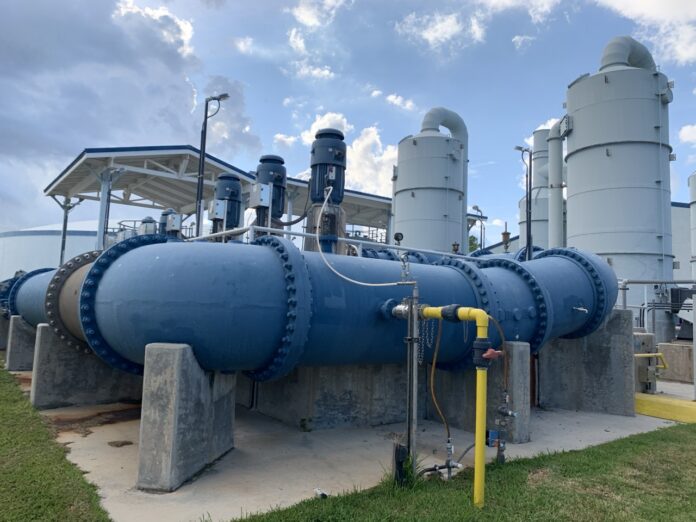
More than 90% of water and desalination facilities in Gaza have ceased operations due to fuel shortages, according to Gaza’s Government Media Office. The collapse of infrastructure forces thousands of displaced families to depend on contaminated and undrinkable water sources, undermining their health and well-being.
Living Conditions in Refugee Camps
- Families measure survival by the availability of water rather than hours of rest.
- Water desalination plants are non-operational, exacerbating scarcity.
- Contaminated water sources increase the risk of waterborne diseases.
Case Study: Rahma Fadi and Her Six Children
Rahma Fadi, displaced near Al-Maghazi refugee camp, exemplifies the human cost of the crisis. She relies on unsafe, salty water for her children, reflecting a violation of SDG 6 and SDG 3.
- Desalination plants have been out of service for months.
- Water trucks arrive irregularly, often delivering unsafe water stored in unhygienic conditions.
- Rahma’s husband, injured and amputated due to conflict, is unable to provide, increasing her burden.
Health Implications: Kidney Patients and Waterborne Diseases
The crisis severely affects vulnerable populations, including kidney patients like 17-year-old Ruba Al-Amsha, who suffers from kidney pain aggravated by contaminated water consumption.
- 40-42% of kidney failure patients have died due to interrupted dialysis services caused by water and electricity shortages.
- Waterborne diseases such as diarrhea and poisoning are rising, especially among children and the elderly.
- Health facilities are overwhelmed, highlighting challenges to achieving SDG 3.
Challenges Faced by Water Providers
Water truck drivers like Mahmoud Abu Rayan operate under life-threatening conditions to deliver water to Gaza’s residents, embodying resilience but also the risks posed by the conflict.
- Fuel shortages and constant threats from military actions impede water delivery.
- Drivers face targeting and violence, compromising SDG 16 on peace and security.
- Unsafe water transportation methods increase contamination risks.
Health Workers’ Response to the Crisis
Health workers, including Sajid Ashraf from Gaza’s Ministry of Health, are on the front lines addressing the water crisis’s health consequences.
- Increased cases of waterborne diseases strain the healthcare system.
- Efforts include medical support and public sanitation initiatives to reduce disease spread.
- Resource scarcity challenges the delivery of adequate healthcare services.
Urgent Need for Humanitarian Intervention
The ongoing water crisis in Gaza constitutes a severe humanitarian emergency affecting 2 million people daily. The situation demands immediate international action aligned with the SDGs to ensure access to clean water and health services.
- Lift restrictions to allow fuel and water infrastructure repair.
- Provide emergency water supplies and sanitation support.
- Support healthcare facilities to manage waterborne diseases and chronic conditions.
- Promote peace and security to protect civilians and essential service providers.
Conclusion
The Gaza water crisis is a multifaceted challenge impacting health, well-being, and human rights. Addressing it requires coordinated efforts focused on achieving the Sustainable Development Goals, particularly SDG 6, SDG 3, and SDG 16, to restore dignity and life quality for Gaza’s population.
1. Sustainable Development Goals (SDGs) Addressed or Connected
- SDG 3: Good Health and Well-being – The article highlights health crises caused by contaminated water, kidney failure, and lack of medical treatment.
- SDG 6: Clean Water and Sanitation – Central to the article is the collapse of water infrastructure, lack of access to clean water, and reliance on unsafe water sources.
- SDG 2: Zero Hunger (implied) – While not explicitly about hunger, the health and nutrition of children and families are affected by water scarcity and poor sanitation.
- SDG 16: Peace, Justice and Strong Institutions (implied) – The ongoing conflict and blockade causing the humanitarian crisis relate to peace and justice issues.
2. Specific Targets Under Those SDGs Identified
- SDG 3 Targets:
- 3.3: End epidemics of waterborne diseases and other communicable diseases.
- 3.8: Achieve universal health coverage, including access to quality essential health-care services.
- SDG 6 Targets:
- 6.1: Achieve universal and equitable access to safe and affordable drinking water for all.
- 6.2: Achieve access to adequate and equitable sanitation and hygiene for all.
- 6.3: Improve water quality by reducing pollution and minimizing release of hazardous materials.
- SDG 16 Targets:
- 16.1: Significantly reduce all forms of violence and related death rates everywhere.
- 16.2: End abuse, exploitation, trafficking and all forms of violence against children.
3. Indicators Mentioned or Implied to Measure Progress
- Indicator for SDG 6.1: Proportion of population using safely managed drinking water services – implied by statistics on water desalination plants shutdown and reliance on contaminated water.
- Indicator for SDG 3.3: Incidence of waterborne diseases such as diarrhea and poisoning – directly mentioned as increasing among children and elderly.
- Indicator for SDG 3.8: Coverage of essential health services including dialysis availability – implied by data on kidney failure patients and dialysis interruptions.
- Indicator for SDG 16.1 and 16.2: Number of violent incidents affecting civilians, including attacks on water truck drivers – implied by references to targeting of water delivery personnel and casualties.
- Indicator for SDG 6.3: Quality of water sources measured by contamination levels – implied by descriptions of salty, smelly, and unsafe water.
4. Table of SDGs, Targets, and Indicators
| SDGs | Targets | Indicators |
|---|---|---|
| SDG 3: Good Health and Well-being |
|
|
| SDG 6: Clean Water and Sanitation |
|
|
| SDG 16: Peace, Justice and Strong Institutions |
|
|
Source: truthout.org
What is Your Reaction?
 Like
0
Like
0
 Dislike
0
Dislike
0
 Love
0
Love
0
 Funny
0
Funny
0
 Angry
0
Angry
0
 Sad
0
Sad
0
 Wow
0
Wow
0