


















































2025 Press Freedom Predators – Reporters sans frontières

Analysis of Press Freedom Violations in 2025 and their Impact on Sustainable Development Goals
Introduction: Threats to Fundamental Freedoms and SDG 16
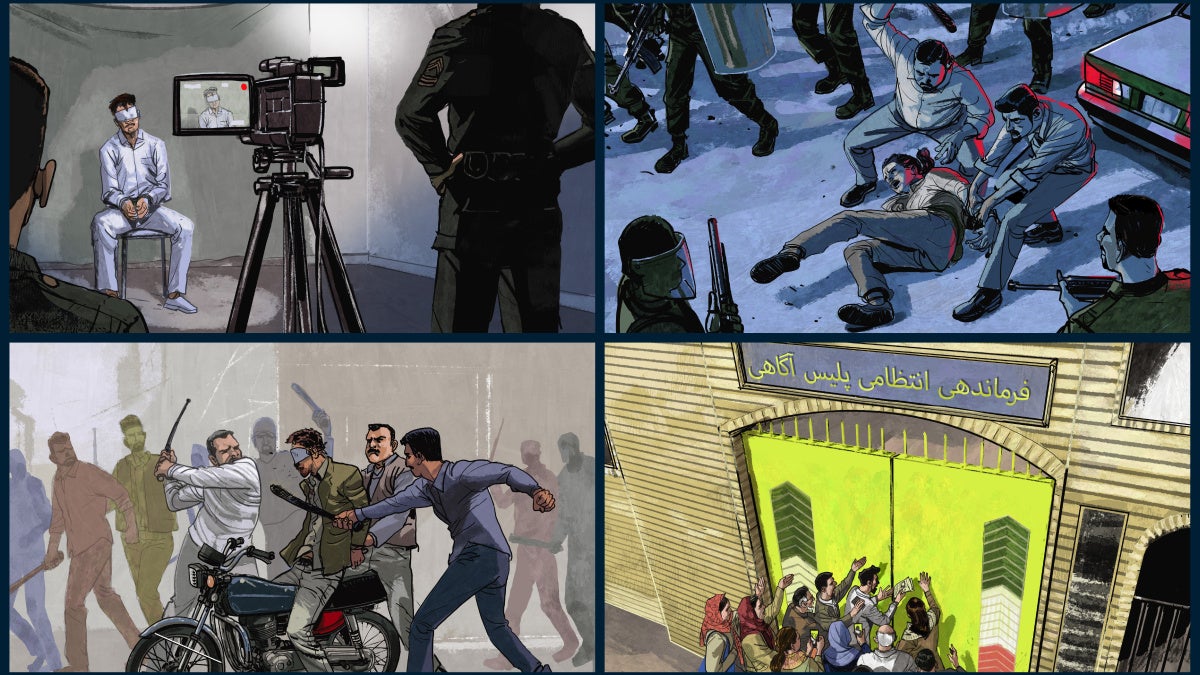
This report documents entities identified in 2025 for actions that undermine press freedom. These activities represent a direct challenge to the achievement of Sustainable Development Goal 16 (Peace, Justice and Strong Institutions), particularly Target 16.10, which aims to ensure public access to information and protect fundamental freedoms.
State-Sponsored Persecution Impeding SDG 16
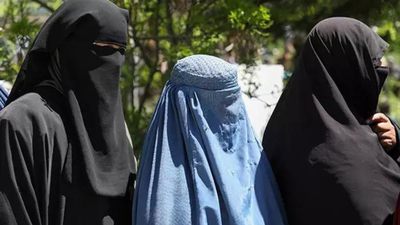
Several state actors have engaged in sustained persecution of journalists, directly contravening the principles of SDG 16. These actions inhibit public access to information, weaken institutional accountability, and prevent the transparent monitoring of progress on all SDGs.
- Chinese Communist Party (led by Xi Jinping): Engaged in relentless, long-term persecution of media.
- Saudi Arabia (led by Mohammed bin Salman): Implicated in the ongoing persecution of journalists.
- Russian Federation (led by Vladimir Putin): Noted for unrestrained persecution of media professionals.
- Belarus (led by Alexander Lukashenko): Distinguished by severe persecution of journalists.
- Myanmar (State Peace and Security Commission): Implemented measures to silence independent reporting.
- Burkina Faso (Military Junta led by Capt. Ibrahim Traoré): Actively suppressed independent journalism.
Actions by Security Forces and Criminal Organizations Eroding Peace and Justice (SDG 16)
Violence and intimidation by state security forces and organized crime create a climate of fear, severely hampering the ability of journalists to operate safely and hold power to account. This erosion of safety and justice is a significant setback for SDG 16.
- Israel Defence Forces (IDF): Implicated in the deaths of a significant number of journalists, undermining the safety required for a free press.
- Jalisco New Generation Cartel (CJNG): Identified as a highly violent criminal organization in Mexico, representing a formidable threat to journalism and the rule of law.
Judicial and Regulatory Pressure Undermining Institutional Integrity
The use of regulatory and judicial systems to arbitrarily pressure media outlets represents a systemic threat to the “strong institutions” pillar of SDG 16. Such actions compromise the rule of law and create an environment where information critical to public interest and sustainable development is suppressed.
- Brendan Carr (United States FCC): Accused of throttling news media through regulatory means.
- Seng Heang (Cambodian Deputy Prosecutor): Implicated in subjecting media to arbitrary judicial pressure.
- Bidzina Ivanishvili (Georgia): Utilized influence as a former prime minister and oligarch to exert pressure on media outlets.
Technological Misuse as a Barrier to Public Access to Information (SDG 16.10)
The misuse of technology for propaganda, harassment, and disinformation campaigns directly obstructs the goal of ensuring public access to reliable information (SDG 16.10). This corrupts the information ecosystem necessary for citizens to make informed decisions and for society to pursue sustainable development.
- Xi Jinping (China): Utilized Chinese chatbots for the dissemination of state propaganda.
- Elon Musk (X): Employed his social media platform for the harassment of journalists.
- Israel Defence Forces (IDF): Conducted online smear campaigns to discredit journalism, in addition to physical threats.
- OpIndia (India): Intensified disinformation and harassment campaigns against journalists critical of the government.
1. Which SDGs are addressed or connected to the issues highlighted in the article?
-
SDG 16: Peace, Justice and Strong Institutions
This is the most relevant SDG as the article focuses entirely on the persecution of journalists, suppression of press freedom, and violence against media personnel. These actions directly undermine the goal of promoting peaceful and inclusive societies, ensuring justice, and building accountable institutions. The article describes actors who “relentlessly persecuted the media,” “throttle news media,” and engage in “unrestrained persecution of journalists,” which are direct attacks on the principles of justice and strong, transparent institutions.
2. What specific targets under those SDGs can be identified based on the article’s content?
-
Target 16.10: Ensure public access to information and protect fundamental freedoms, in accordance with national legislation and international agreements.
The article’s core theme is the violation of this target. It details how various state and non-state actors actively work to suppress information and violate the fundamental freedom of the press. Examples include governments that “throttle news media,” the use of technology to “restrict the freedom to report the news,” and criminal organizations that are “formidable predators of journalism.” These actions directly prevent public access to independent information and attack the fundamental freedom of expression.
-
Target 16.1: Significantly reduce all forms of violence and related death rates everywhere.
This target is relevant due to the explicit mention of violence and killings. The article states that the Israel Defence Forces (IDF) are “responsible for the deaths of nearly 220 journalists” and describes the Jalisco New Generation Cartel (CJNG) as Mexico’s “most violent criminal organisation.” These instances are direct examples of violence and death rates that this target aims to reduce.
3. Are there any indicators mentioned or implied in the article that can be used to measure progress towards the identified targets?
-
Indicator 16.10.1: Number of verified cases of killing, kidnapping, enforced disappearance, arbitrary detention and torture of journalists, associated media personnel, trade unionists and human rights advocates in the previous 12 months.
The article provides direct and implied data for this indicator. It explicitly mentions the “deaths of nearly 220 journalists” under Prime Minister Benjamin Netanyahu. Furthermore, it describes actions that fall under this indicator’s scope, such as “unrestrained persecution of journalists” by leaders like Xi Jinping and Vladimir Putin, subjecting media to “arbitrary judicial pressure” in Cambodia and Georgia, and conducting “harassment campaigns against journalists” by entities like OpIndia in India. These are all measurable instances of attacks on journalists.
-
Indicator 16.1.1: Number of victims of intentional homicide per 100,000 population, by sex and age.
While the article does not provide a population-based rate, it gives a specific number of homicides for a targeted group. The mention of “deaths of nearly 220 journalists” serves as a direct, quantifiable measure of intentional homicides, contributing to the overall data needed for this indicator. It highlights a specific group that is being violently targeted, which is a key component of tracking progress on reducing violence.
4. Create a table with three columns titled ‘SDGs, Targets and Indicators” to present the findings from analyzing the article. In this table, list the Sustainable Development Goals (SDGs), their corresponding targets, and the specific indicators identified in the article.
| SDGs | Targets | Indicators |
|---|---|---|
| SDG 16: Peace, Justice and Strong Institutions | Target 16.10: Ensure public access to information and protect fundamental freedoms, in accordance with national legislation and international agreements. | Indicator 16.10.1: Number of verified cases of killing, kidnapping, enforced disappearance, arbitrary detention and torture of journalists… (Evidence from article: “unrestrained persecution of journalists,” “deaths of nearly 220 journalists,” “arbitrary judicial pressure,” and “harassment campaigns.”) |
| SDG 16: Peace, Justice and Strong Institutions | Target 16.1: Significantly reduce all forms of violence and related death rates everywhere. | Indicator 16.1.1: Number of victims of intentional homicide… (Evidence from article: The specific count of “deaths of nearly 220 journalists” serves as a direct measure of intentional homicides against a specific group.) |
Source: rsf.org
What is Your Reaction?
 Like
0
Like
0
 Dislike
0
Dislike
0
 Love
0
Love
0
 Funny
0
Funny
0
 Angry
0
Angry
0
 Sad
0
Sad
0
 Wow
0
Wow
0