A wastewater permit, a dry creek bed and the dispute over Guajolote Ranch – San Antonio Report

Report on the Guajolote Ranch Development and Its Environmental Implications
Introduction
The Guajolote Ranch development, a proposed project consisting of 2,900 homes and a new wastewater treatment plant in northwest Bexar County, Texas, is at a critical decision-making juncture. This report emphasizes the environmental concerns related to the project, particularly focusing on Sustainable Development Goals (SDGs) such as Clean Water and Sanitation (SDG 6), Sustainable Cities and Communities (SDG 11), and Life on Land (SDG 15).
Regulatory and Municipal Decisions
- Texas Commission on Environmental Quality (TCEQ) Permit Review: The TCEQ faces a deadline of December 22 to reconsider the wastewater discharge permit allowing up to 1 million gallons per day of treated effluent to be discharged into a dry creek bed upstream from Helotes Creek, which feeds into the Edwards Aquifer recharge zone.
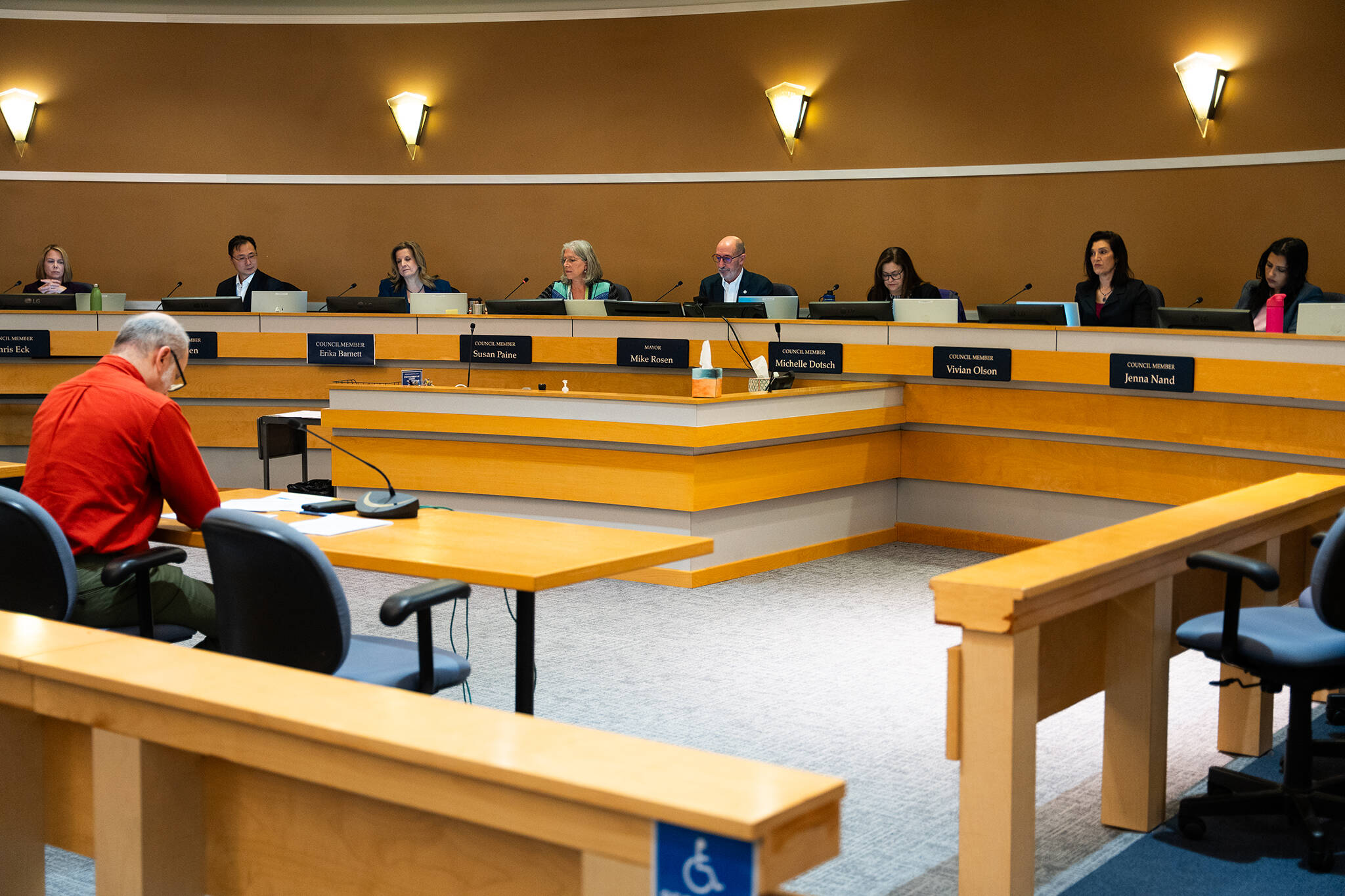
- San Antonio City Council Review: The City Council is set to review a petition to create a municipal utility district (MUD) to finance infrastructure through increased property taxes, with a tentative vote scheduled for February 5.
Environmental Concerns and Scientific Debate
- Impact on Edwards Aquifer Recharge Zone: The discharge site lies within the Edwards Aquifer recharge and contributing zones, critical for supplying drinking water to over 2 million people, aligning with SDG 6 (Clean Water and Sanitation).
- Groundwater Contamination Risks: Opponents argue that the permit does not adequately consider underground water movement through fractured karst limestone, which could allow pollutants to rapidly reach the aquifer.
- Scientific Studies: A 2020 Southwest Research Institute (SwRI) study predicts that additional wastewater systems in the region could degrade watershed quality and aquifer recharge water, highlighting the need for sustainable water management (SDG 6).
- Dispute Over Hydrological Connectivity: Conflicting interpretations exist between San Antonio Water Systems (SAWS) and environmental groups regarding subsurface water flow and aquifer vulnerability.
Community and Stakeholder Perspectives
- Local residents relying on shallow wells express concerns about water quality and environmental health, emphasizing the importance of SDG 11 (Sustainable Cities and Communities) and SDG 15 (Life on Land).
- Environmental alliances and local governments have filed motions and letters urging reconsideration of the permit based on scientific evidence.
- Concerns about wastewater treatment plant compliance records raise questions about operational risks and long-term sustainability.
Wastewater Treatment Compliance and Risks
- EPA data shows that half of the comparable wastewater treatment plants cited by the developer have reported violations related to pollutant levels, including E. coli, ammonia, nitrogen, phosphorus, and suspended solids.
- Historical compliance issues with SAWS, including a 2013 settlement over illegal sewage overflows, underscore the challenges in maintaining water quality standards.
Implications for Sustainable Development Goals (SDGs)
- SDG 6 – Clean Water and Sanitation: Protecting the Edwards Aquifer is essential for ensuring safe drinking water and sanitation for millions.
- SDG 11 – Sustainable Cities and Communities: Responsible urban planning and infrastructure financing through the MUD must consider environmental impacts and community health.
- SDG 15 – Life on Land: Maintaining the integrity of natural water recharge zones supports biodiversity and ecosystem health.
- SDG 16 – Peace, Justice, and Strong Institutions: Transparent regulatory processes and community engagement are crucial for equitable decision-making.
Next Steps and Potential Outcomes
- If the TCEQ denies the rehearing request, opponents plan to pursue legal action in district courts.
- City Council’s decision on the MUD petition will influence the financing and progression of the development.
- Continued monitoring and assessment of environmental impacts are necessary to align the project with sustainable development principles.
Conclusion
The Guajolote Ranch development presents significant environmental and community challenges that intersect with key Sustainable Development Goals. Ensuring the protection of vital water resources, maintaining community health, and upholding transparent governance are essential for sustainable growth in the region.
1. Sustainable Development Goals (SDGs) Addressed or Connected
- SDG 6: Clean Water and Sanitation – The article focuses on wastewater discharge, water quality, and the protection of aquifers, which are critical for clean water supply.
- SDG 11: Sustainable Cities and Communities – The development project and its impact on local infrastructure and community water resources relate to sustainable urban development.
- SDG 13: Climate Action – Concerns about water management and environmental impact indirectly relate to climate resilience and sustainable environmental practices.
- SDG 15: Life on Land – Protection of natural water recharge zones and ecosystems such as the Edwards Aquifer recharge zone is relevant to terrestrial ecosystem conservation.
2. Specific Targets Under Those SDGs Identified
- SDG 6: Clean Water and Sanitation
- Target 6.3: Improve water quality by reducing pollution, minimizing release of hazardous chemicals and materials, and substantially increasing water recycling and safe reuse.
- Target 6.6: Protect and restore water-related ecosystems, including aquifers and wetlands.
- SDG 11: Sustainable Cities and Communities
- Target 11.6: Reduce the adverse per capita environmental impact of cities, including by paying special attention to air quality and municipal and other waste management.
- SDG 13: Climate Action
- Target 13.1: Strengthen resilience and adaptive capacity to climate-related hazards and natural disasters in all countries.
- SDG 15: Life on Land
- Target 15.1: Ensure the conservation, restoration and sustainable use of terrestrial and inland freshwater ecosystems and their services.
3. Indicators Mentioned or Implied to Measure Progress
- Water Quality Indicators:
- Levels of pollutants such as E. coli, ammonia, nitrogen, phosphorus, and total suspended solids in wastewater discharge.
- Compliance records and violations under the Clean Water Act (CWA) as documented by the EPA’s Enforcement and Compliance History Online (ECHO) database.
- Water Quantity and Flow Indicators:
- Volume of treated effluent discharged daily (up to 1 million gallons, with peak days up to 4 million gallons).
- Hydrological connectivity and groundwater flow patterns in the Edwards Aquifer recharge zone and Trinity Aquifer.
- Regulatory and Legal Indicators:
- Number and outcome of regulatory filings, public hearings, and motions for rehearing related to wastewater permits.
- City Council decisions on municipal utility district (MUD) petitions affecting infrastructure financing and development approval.
4. Table of SDGs, Targets, and Indicators
| SDGs | Targets | Indicators |
|---|---|---|
| SDG 6: Clean Water and Sanitation |
|
|
| SDG 11: Sustainable Cities and Communities |
|
|
| SDG 13: Climate Action |
|
|
| SDG 15: Life on Land |
|
|
Source: sanantonioreport.org
What is Your Reaction?
 Like
0
Like
0
 Dislike
0
Dislike
0
 Love
0
Love
0
 Funny
0
Funny
0
 Angry
0
Angry
0
 Sad
0
Sad
0
 Wow
0
Wow
0