













































Abandoned Oil and Gas Wells Causing ‘Hazardous Changes’ to Water – Newsweek
Report on Environmental and Health Impacts of Abandoned Oil and Gas Wells in Relation to Sustainable Development Goals
1.0 Introduction and Scope
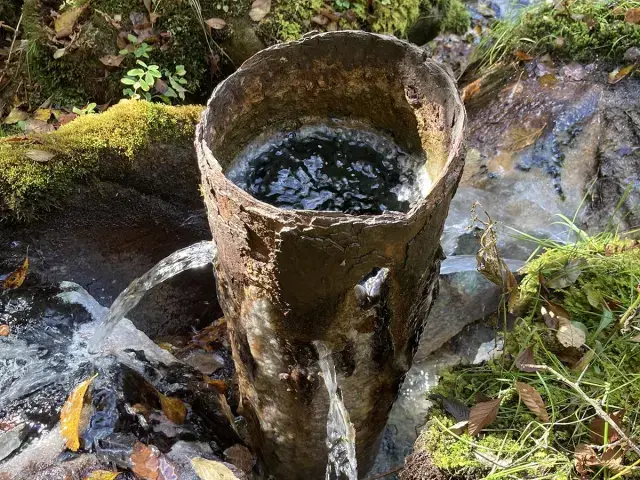
A recent study led by Penn State geochemists has identified significant environmental and health risks posed by hundreds of thousands of abandoned oil and gas wells in Pennsylvania. Research conducted on 18 wells revealed that improper sealing has led to the leakage of harmful chemicals, directly undermining several United Nations Sustainable Development Goals (SDGs). This report synthesizes the study’s findings, analyzing their implications for environmental sustainability, public health, and climate action.
2.0 Key Research Findings
The investigation into abandoned wells, many over a century old, uncovered critical threats to environmental integrity. The primary findings include:
- Methane Leakage: Uncapped and deteriorating wells are releasing methane, a potent greenhouse gas, into both the atmosphere and groundwater systems.
- Groundwater Contamination: The interaction of leaked methane with subterranean rock formations is causing the release of heavy metals into aquifers.
- Hazardous Chemical Concentrations: Water samples collected near the wellbores showed dangerously high levels of specific contaminants.
- Over half of the samples exceeded the Environmental Protection Agency (EPA) limit for iron in drinking water.
- One-sixth of the samples surpassed the EPA’s safety limit for arsenic in drinking water.
- Widespread Problem: The issue is not localized, with an estimated 300,000 abandoned wells in Pennsylvania and over 3 million across the United States, representing a systemic national challenge.
3.0 Implications for Sustainable Development Goals (SDGs)
The environmental degradation caused by these wells directly contravenes the principles of several key SDGs.
- SDG 3: Good Health and Well-being: The contamination of groundwater with arsenic and other metals poses a direct threat to human health, particularly in rural communities reliant on well water. Furthermore, the accumulation of flammable methane in groundwater creates significant explosion hazards.
- SDG 6: Clean Water and Sanitation: The core finding of the study is the pollution of vital groundwater resources. This leakage compromises the availability of clean, safe drinking water, a fundamental target of SDG 6.
- SDG 13: Climate Action: Methane is a greenhouse gas with a heat-trapping capacity far greater than carbon dioxide. The continuous leakage from millions of abandoned wells represents a significant and ongoing contribution to climate change, hindering progress toward climate action targets.
- SDG 15: Life on Land: The contamination extends beyond groundwater to surface ecosystems. When polluted water seeps to the surface, it can impair streams and soil quality, harming local flora and fauna, as evidenced by wildlife observed drinking the contaminated discharge.
- SDG 12: Responsible Consumption and Production: This issue highlights the long-term environmental liabilities of historical fossil fuel extraction. It underscores the urgent need for sustainable production patterns that include comprehensive lifecycle management and responsible decommissioning of industrial infrastructure.
4.0 Mitigation Efforts and Policy Recommendations
Addressing this legacy issue requires a strategic approach aligned with SDG principles. While the U.S. government has allocated $4.7 billion for plugging orphan wells, the scale of the problem necessitates prioritized and efficient action.
- Prioritize Well Plugging: Government agencies should use data on groundwater contamination risk and methane emission levels to prioritize the most hazardous wells for plugging, thereby maximizing the positive impact on SDG 3, SDG 6, and SDG 13.
- Strengthen Regulatory Standards: To prevent future occurrences, regulations must enforce modern, effective plugging techniques for all new and recently decommissioned wells, embedding the principles of SDG 12 into industry practice.
- Enhance Monitoring: Increased monitoring of groundwater and atmospheric conditions around abandoned well sites is crucial for assessing risks and protecting communities.
- Public Awareness: Informing local citizens and governments about the potential risks to their water sources can help drive policy and protective measures at a community level.
Analysis of Sustainable Development Goals in the Article
1. Which SDGs are addressed or connected to the issues highlighted in the article?
-
SDG 3: Good Health and Well-being
- The article connects the leaking wells to human health risks. It states that contaminated groundwater, used as a source for drinking water wells in rural areas, could lead to “arsenic contamination.” It also mentions that a buildup of methane in groundwater can create “explosion hazards,” posing a direct threat to human safety and well-being.
-
SDG 6: Clean Water and Sanitation
- This is a central theme of the article. The research found that abandoned wells were “leaking methane into groundwater, creating hazardous changes to water quality.” The contamination includes “high concentrations of dissolved iron and arsenic,” with many samples exceeding the EPA’s limits for drinking water. The article also notes that leaking groundwater could “impair streams,” affecting surface water quality as well.
-
SDG 12: Responsible Consumption and Production
- The problem originates from historical production practices where wells were drilled with “very loose laws and regulations” and improperly plugged. The article discusses the need for environmentally sound management of this industrial waste (the abandoned wells) and highlights the importance of modern operators plugging wells properly to protect the environment, which relates to sustainable production patterns.
-
SDG 13: Climate Action
- The article explicitly identifies methane as a “major greenhouse gas” and a “powerful greenhouse gas that traps more heat than carbon dioxide.” It states that the wells “leak methane… to the atmosphere and can contribute to climate change,” directly linking the issue to climate action.
-
SDG 15: Life on Land
- The environmental damage described affects terrestrial and freshwater ecosystems. The study was conducted in and near the “Allegheny National Forest,” and the pollution impacts groundwater, aquifers, and streams. The article provides a specific example of wildlife impact, noting that deer drink the salty, contaminated water leaking from the wells, which “poses a threat to environmental, animal and human health.”
2. What specific targets under those SDGs can be identified based on the article’s content?
-
Target 3.9: Substantially reduce the number of deaths and illnesses from hazardous chemicals and air, water and soil pollution and contamination.
- The article’s focus on arsenic and iron contamination in drinking water directly relates to this target. The research shows that “One-sixth of the samples were over the Environmental Protection Agency’s (EPA) limit for arsenic in drinking water,” highlighting a clear health risk from water pollution by hazardous chemicals.
-
Target 6.3: Improve water quality by reducing pollution, eliminating dumping and minimizing release of hazardous chemicals and materials.
- The entire article is about the release of hazardous materials (methane, which leads to dissolved iron and arsenic) into groundwater and streams. The research findings of “hazardous changes to water quality” from leaking wells are a direct example of the pollution this target aims to reduce.
-
Target 12.4: Achieve the environmentally sound management of chemicals and all wastes throughout their life cycle… and significantly reduce their release to air, water and soil.
- The abandoned wells are a form of industrial waste from past oil and gas production. The article discusses the consequences of their improper management and the current efforts, such as the “$4.7 billion for plugging orphan oil and gas wells,” which is a measure toward the environmentally sound management of this waste to reduce the release of chemicals.
-
Target 13.2: Integrate climate change measures into national policies, strategies and planning.
- The leakage of methane, a potent greenhouse gas, is a key issue. The article mentions the “2021 Infrastructure Investment and Jobs Act” which funds the plugging of these wells. This government action can be seen as a national policy measure to mitigate greenhouse gas emissions and thus combat climate change.
-
Target 15.1: Ensure the conservation, restoration and sustainable use of terrestrial and inland freshwater ecosystems and their services, in particular forests.
- The study area is “in and near the Allegheny National Forest.” The contamination of groundwater, aquifers, and streams within this area represents a degradation of a forest’s freshwater ecosystems. The impact on wildlife, such as deer drinking the contaminated water, further underscores the threat to the conservation of this ecosystem.
3. Are there any indicators mentioned or implied in the article that can be used to measure progress towards the identified targets?
-
Concentration of pollutants in water
- The article explicitly provides measurable data: “One-sixth of the samples were over the Environmental Protection Agency’s (EPA) limit for arsenic in drinking water and over half were over the EPA’s limit for iron in drinking water.” This serves as a direct indicator of water quality and pollution levels.
-
Number of abandoned/orphaned wells
- The article quantifies the scale of the problem by stating there are “probably 300,000 in Pennsylvania, 3 million in the United States.” Tracking the number of remaining unplugged wells is an indicator of the magnitude of the environmental risk.
-
Number of wells plugged
- Progress can be measured by the number of wells that are properly sealed. The article mentions that government funding “has helped state agencies plug more old oil and gas wells each year.” This count is a direct indicator of remediation efforts.
-
Volume of greenhouse gas emissions
- While not quantified in the article, the leakage of “methane (a major greenhouse gas) to the atmosphere” is a central point. Measuring the reduction in methane emissions from plugged wells would be a key indicator for climate action progress.
SDGs, Targets and Indicators Table
| SDGs | Targets | Indicators |
|---|---|---|
| SDG 3: Good Health and Well-being | 3.9: Substantially reduce illnesses from hazardous chemicals and water pollution. | Concentration of arsenic and iron in drinking water relative to EPA limits. |
| SDG 6: Clean Water and Sanitation | 6.3: Improve water quality by reducing pollution and minimizing the release of hazardous chemicals. | Measured levels of dissolved iron, arsenic, and methane in groundwater and streams. |
| SDG 12: Responsible Consumption and Production | 12.4: Achieve environmentally sound management of wastes to reduce their release to air, water, and soil. | The total number of abandoned wells identified (e.g., 3 million in the U.S.) and the number of wells successfully plugged each year. |
| SDG 13: Climate Action | 13.2: Integrate climate change measures into national policies and planning. | Volume of methane emissions from abandoned wells; investment in well-plugging programs (e.g., $4.7 billion from the Infrastructure Investment and Jobs Act). |
| SDG 15: Life on Land | 15.1: Ensure the conservation and restoration of terrestrial and inland freshwater ecosystems, especially forests. | Water quality measurements in aquifers and streams within forest areas; observations of wildlife interacting with contaminated sites. |
Source: newsweek.com
What is Your Reaction?
 Like
0
Like
0
 Dislike
0
Dislike
0
 Love
0
Love
0
 Funny
0
Funny
0
 Angry
0
Angry
0
 Sad
0
Sad
0
 Wow
0
Wow
0