
























































Safe Drinking Water Is a Basic Human Right That Texas Prisons Fail to Respect – Truthout

Report on Water Safety Issues in Texas Department of Criminal Justice Prisons
Introduction
A recent investigation by the Texas Civil Rights Project has uncovered significant and persistent failures in the Texas Department of Criminal Justice’s (TDCJ) provision of safe drinking water to incarcerated individuals. This report highlights critical concerns related to water quality in state prisons, emphasizing the importance of Sustainable Development Goal (SDG) 6: Clean Water and Sanitation, which aims to ensure availability and sustainable management of water and sanitation for all.
Conditions of Water in TDCJ Facilities
- Incarcerated individuals are forced to use water described as over-chlorinated, slimy, and foul-smelling for drinking, bathing, cooking, and cooling.
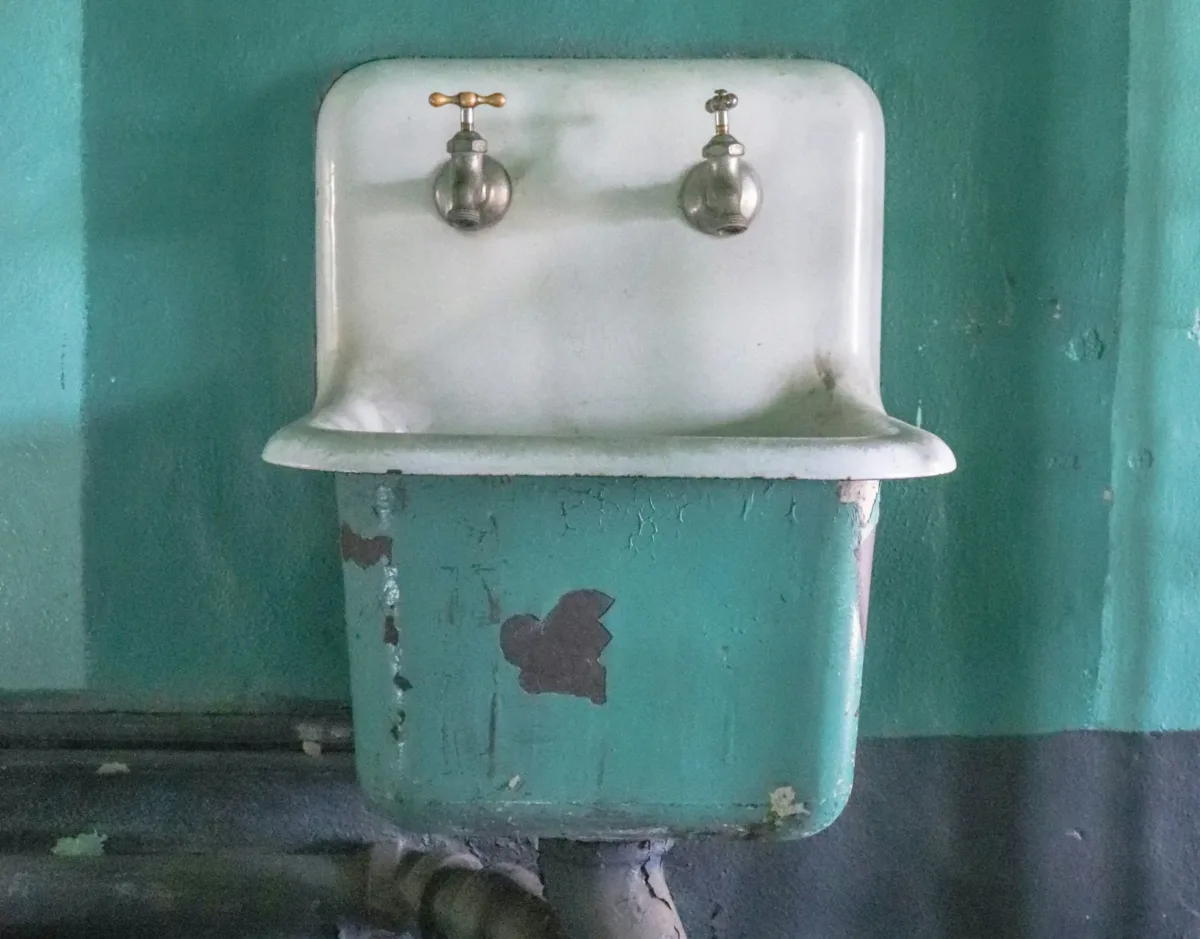
- The only water source in most cells is a small sink atop a toilet, raising hygiene and health concerns.
- Many prisoners resort to filtering water through clothes or bedsheets, a method that provides minimal relief.
Case Study: Coffield and Michael Units
The Coffield and Michael Units in Tennessee Colony, Texas, collectively housing nearly 8,000 people, share a single water treatment system. Key findings include:
- Widespread knowledge among inmates to avoid tap water due to health risks.
- Reports of stomach infections, skin conditions, and cancer linked to long-term consumption of contaminated water.
- Medical staff advising bottled water consumption, which is often unaffordable for many prisoners.
- Heightened stress among individuals with chronic medical conditions due to uncertainty about water safety.
Health Impacts and Medical Oversight
- Repeated gastrointestinal illnesses, including confirmed H. pylori infections, acid reflux, and ulcers.
- Inadequate medical testing and treatment, mishandled lab samples, and contradictory medical advice.
- Lack of boil water notices despite water pressure drops.
- Disparities in water access: guards receive bottled and filtered water, while prisoners do not.
Regulatory Framework and Oversight
The Texas Commission on Environmental Quality (TCEQ) is responsible for enforcing environmental laws, including the Safe Drinking Water Act, and regulating public water systems in Texas. However, challenges include:
- Reliance on self-reporting by water system operators and discretion in selecting sample sites within prisons.
- Infrequent physical inspections conducted every three to five years.
- Limited transparency and inconsistent information from TDCJ regarding water quality violations and resolutions.
Water Quality Violations and Compliance
Analysis of TCEQ records revealed:
- 22 distinct drinking water violations since 2020 at the Coffield and Michael Units, including microbial contamination and cancer-linked disinfection byproducts.
- Two health-based violations among these infractions.
- Prolonged infrastructure failures and repeated breakdowns in monitoring and reporting obligations.
- Compared to 95% compliance with health-based standards among Texas water systems in 2024, TDCJ-operated systems show significant non-compliance.
Implications for Sustainable Development Goals
The findings underscore critical gaps in achieving SDG 6: Clean Water and Sanitation, as well as SDG 3: Good Health and Well-being, which calls for ensuring healthy lives and promoting well-being for all. Key implications include:
- Failure to provide safe drinking water violates the human right to water and sanitation.
- Health risks from contaminated water exacerbate medical conditions and mental stress among incarcerated populations.
- Lack of transparency and delayed compliance hinder progress toward sustainable water management and public health goals.
Recommendations
- TDCJ must prioritize immediate remediation of water quality issues to meet federal and state standards.
- Enhanced transparency and accountability mechanisms should be established to ensure timely reporting and resolution of violations.
- Regular independent inspections and monitoring should be mandated to safeguard water safety.
- Equitable access to safe drinking water must be guaranteed for all incarcerated individuals, regardless of economic status.
- Investment in infrastructure upgrades is essential to sustain long-term water quality and public health.
Conclusion
Access to clean and safe water is a fundamental human right and a cornerstone of sustainable development. The Texas Department of Criminal Justice’s failure to provide safe drinking water to incarcerated individuals represents a significant breach of this right and undermines progress toward the Sustainable Development Goals. Immediate and sustained action is required to ensure that all people, including those in prisons, have access to water that is safe, clean, and reliable.
1. Sustainable Development Goals (SDGs) Addressed or Connected
-
SDG 6: Clean Water and Sanitation
- The article focuses on the lack of access to safe drinking water in Texas prisons, directly relating to SDG 6 which aims to ensure availability and sustainable management of water and sanitation for all.
-
SDG 3: Good Health and Well-being
- Health issues such as stomach infections, skin conditions, and cancer linked to contaminated water highlight concerns under SDG 3, which aims to ensure healthy lives and promote well-being for all at all ages.
-
SDG 16: Peace, Justice and Strong Institutions
- The article discusses governance issues, lack of transparency, and accountability failures by the Texas Department of Criminal Justice (TDCJ), connecting to SDG 16 which promotes just, peaceful and inclusive societies.
2. Specific Targets Under Those SDGs
-
SDG 6 Targets
- Target 6.1: Achieve universal and equitable access to safe and affordable drinking water for all.
- Target 6.3: Improve water quality by reducing pollution, eliminating dumping and minimizing release of hazardous chemicals and materials.
-
SDG 3 Targets
- Target 3.3: End epidemics of waterborne diseases and other communicable diseases.
- Target 3.9: Reduce illnesses and deaths from hazardous chemicals and pollution.
-
SDG 16 Targets
- Target 16.6: Develop effective, accountable and transparent institutions at all levels.
- Target 16.10: Ensure public access to information and protect fundamental freedoms.
3. Indicators Mentioned or Implied to Measure Progress
-
Indicators Related to SDG 6
- Proportion of population using safely managed drinking water services (implied by the discussion of water quality and access in prisons).
- Number of water quality violations reported and resolved (implied by the 22 drinking water violations and compliance monitoring data).
-
Indicators Related to SDG 3
- Incidence rates of waterborne diseases such as H. pylori infections and related gastrointestinal illnesses among incarcerated individuals.
- Number of health-based violations related to water quality (two health-based violations mentioned).
-
Indicators Related to SDG 16
- Frequency and transparency of reporting violations and enforcement actions by TDCJ and TCEQ.
- Number of grievances filed and addressed regarding water safety (implied by the mention of grievances and lack of resolution).
4. Table of SDGs, Targets, and Indicators
| SDGs | Targets | Indicators |
|---|---|---|
| SDG 6: Clean Water and Sanitation |
|
|
| SDG 3: Good Health and Well-being |
|
|
| SDG 16: Peace, Justice and Strong Institutions |
|
|
Source: truthout.org
What is Your Reaction?
 Like
0
Like
0
 Dislike
0
Dislike
0
 Love
0
Love
0
 Funny
0
Funny
0
 Angry
0
Angry
0
 Sad
0
Sad
0
 Wow
0
Wow
0