




























































Advocates Gather at UW, Pushing for Safer, More Accessible Streets – The Urbanist

Report on OpenThePaths2026 Conference: Advancing Sustainable and Accessible Transportation
Introduction
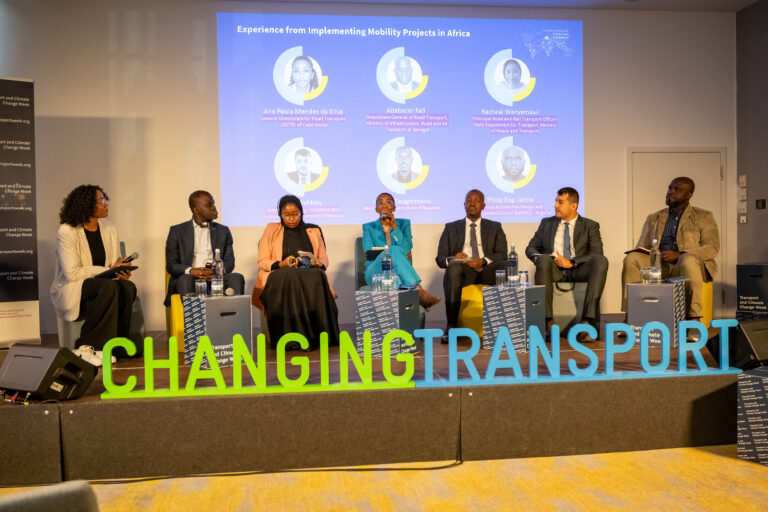
On February 27, 2026, the University of Washington’s Taskar Center for Accessible Technology hosted the OpenThePaths2026 conference, focusing on transportation policy and accessibility. Key figures including King County Councilmember Claudia Balducci, Seattle Councilmember Alexis Mercedes Rinck, and State Representative Greg Nance participated in discussions emphasizing the advancement of sustainable transportation aligned with the United Nations Sustainable Development Goals (SDGs), particularly Goal 11: Sustainable Cities and Communities, and Goal 3: Good Health and Well-being.
The OS-CONNECT Pedestrian Infrastructure Map
The conference highlighted the unveiling of OS-CONNECT, Washington State’s first nearly complete map of pedestrian infrastructure covering areas where 90% of the population resides. This initiative supports SDG 9: Industry, Innovation, and Infrastructure, by leveraging artificial intelligence combined with human verification to maintain accurate, up-to-date data on pedestrian pathways.
Key Features of OS-CONNECT
- AI-generated mapping with continuous human vetting to ensure data accuracy.
- Platform designed to encourage public engagement and prioritize active transportation modes such as walking, rolling, and biking.
- Data sharing with multiple agencies to improve infrastructure planning and management.
The Taskar Center emphasized the challenge of limited data resources for non-car travel modes, underscoring the need for comprehensive data collection to support equitable and sustainable transportation systems, directly contributing to SDG 10: Reduced Inequalities.
Legislative Advocacy for Accessible Transit
Panelists Balducci, Rinck, and Nance discussed legislative strategies to promote accessible and sustainable public transit, aligning with SDG 11 and SDG 13: Climate Action. The Mosquito Fleet Act, sponsored by Rep. Greg Nance, aims to empower local jurisdictions to expand foot ferry services, enhancing multimodal transit options.
Challenges and Strategies
- Driving Policy Change: Balducci highlighted the importance of “forcing functions” such as accessibility regulations (e.g., ADA) to ensure transit equity.
- Political Realities: Rinck noted that policymakers often respond to factors beyond data, including public perception and political incentives.
- Storytelling: Nance emphasized the power of personal stories to humanize data and build bipartisan support for pro-transit legislation.
Community Action and Roadway Safety Initiatives
Transportation advocates Paulo Nunes-Ueno and Kirk Hovenkotter presented the Megaproject For Safety, a coalition-led initiative to secure dedicated state funding for improving safety on Washington’s most dangerous roads. This effort supports SDG 3 by aiming to reduce traffic fatalities and injuries, and SDG 11 by creating safer urban environments.
Key Points of the Megaproject For Safety
- Focus on state highways that serve as main streets in communities.
- Advocacy for new funding sources, such as road usage charges, to finance safety improvements.
- Recognition of the impact of zoning changes increasing housing density along these roadways, necessitating safer infrastructure.
- Successful advocacy resulted in a $100 million commitment for safer roadways in the 2027–2029 biennium, though calls remain for additional new funding.
Interagency Collaboration and Policy Integration
WSDOT’s Director of Active Transportation, Barb Chamberlain, and King County Metro’s Equity and Social Justice Capital Implementation Manager, Jen Mayer, stressed the importance of:
- Securing new, additive funding for transformative projects rather than reallocating existing budgets.
- Coordinating land use and transportation policies at city and county levels to ensure road design complements community needs.
- Enhancing interagency partnerships to maximize efficiency and cost-effectiveness in infrastructure projects.
Public Engagement and Advocacy Opportunities
The conference underscored that sustainable transportation progress requires active public involvement. Citizens are encouraged to engage with local and state organizations advocating for safer, more accessible streets, thereby supporting SDG 17: Partnerships for the Goals.
Recommended Organizations for Engagement
- Seattle Streets Alliance
- Tacoma on the Go
- Transit Riders Union
- Transportation Choices Coalition
- Cascade Bicycle Club
Conclusion
The OpenThePaths2026 conference demonstrated a comprehensive approach to advancing sustainable, accessible, and safe transportation infrastructure in Washington State. By integrating innovative data tools, legislative advocacy, community action, and public engagement, the initiatives discussed align closely with multiple Sustainable Development Goals, fostering healthier, more equitable, and resilient communities.
1. Sustainable Development Goals (SDGs) Addressed
- SDG 3: Good Health and Well-being
- Addressed through promotion of bicycling and active transportation for health and well-being.
- Focus on reducing traffic fatalities and pedestrian deaths.
- SDG 9: Industry, Innovation and Infrastructure
- Development and use of AI-generated pedestrian infrastructure maps (OS-CONNECT).
- Focus on improving transportation infrastructure, including safer roads and pedestrian facilities.
- SDG 11: Sustainable Cities and Communities
- Emphasis on accessible, safe, and inclusive public transit and pedestrian infrastructure.
- Advocacy for better bus lanes, safer main streets, and integration of land use and transportation planning.
- SDG 16: Peace, Justice and Strong Institutions
- Legislative advocacy and policy-making to enforce accessibility and safety regulations.
- Community engagement and public pressure to influence policy decisions.
2. Specific Targets Under Identified SDGs
- SDG 3: Good Health and Well-being
- Target 3.6: By 2030, halve the number of global deaths and injuries from road traffic accidents.
- SDG 9: Industry, Innovation and Infrastructure
- Target 9.1: Develop quality, reliable, sustainable and resilient infrastructure, including regional and transborder infrastructure, to support economic development and human well-being.
- Target 9.c: Significantly increase access to information and communications technology and strive to provide universal and affordable access to the Internet.
- SDG 11: Sustainable Cities and Communities
- Target 11.2: By 2030, provide access to safe, affordable, accessible and sustainable transport systems for all, improving road safety, notably by expanding public transport.
- Target 11.3: Enhance inclusive and sustainable urbanization and capacity for participatory, integrated and sustainable human settlement planning and management.
- Target 11.7: Provide universal access to safe, inclusive and accessible, green and public spaces.
- SDG 16: Peace, Justice and Strong Institutions
- Target 16.6: Develop effective, accountable and transparent institutions at all levels.
- Target 16.7: Ensure responsive, inclusive, participatory and representative decision-making at all levels.
3. Indicators Mentioned or Implied to Measure Progress
- Traffic Fatalities and Injuries
- Number of traffic deaths and pedestrian fatalities (e.g., 2023 and 2024 Washington State traffic death statistics).
- Reduction in pedestrian injuries and fatalities on dangerous roads.
- Infrastructure Coverage and Quality
- Extent and quality of pedestrian infrastructure mapped by OS-CONNECT.
- Number and quality of sidewalks, ramps, crosswalks, and bus lanes implemented.
- Public Transit Usage and Accessibility
- Percentage of population using public transit (e.g., 20% of Seattleites without cars using transit).
- Accessibility compliance rates (e.g., ADA compliance in transit systems).
- Funding and Legislative Actions
- Amount of dedicated funding allocated to pedestrian safety and infrastructure improvements (e.g., $100 million committed in 2027-2029 biennium).
- Number of laws, ordinances, and policies passed to improve transportation safety and accessibility.
- Community Engagement and Advocacy
- Level of public participation in advocacy groups and campaigns.
- Number of interagency partnerships and collaborative projects.
4. Table of SDGs, Targets, and Indicators
| SDGs | Targets | Indicators |
|---|---|---|
| SDG 3: Good Health and Well-being | 3.6: Halve global deaths and injuries from road traffic accidents by 2030. |
|
| SDG 9: Industry, Innovation and Infrastructure |
|
|
| SDG 11: Sustainable Cities and Communities |
|
|
| SDG 16: Peace, Justice and Strong Institutions |
|
|
Source: theurbanist.org
What is Your Reaction?
 Like
0
Like
0
 Dislike
0
Dislike
0
 Love
0
Love
0
 Funny
0
Funny
0
 Angry
0
Angry
0
 Sad
0
Sad
0
 Wow
0
Wow
0