
















DCCA Launches Kaua‘i HI-WiFi Starlink Program – Governor Josh Green (.gov)
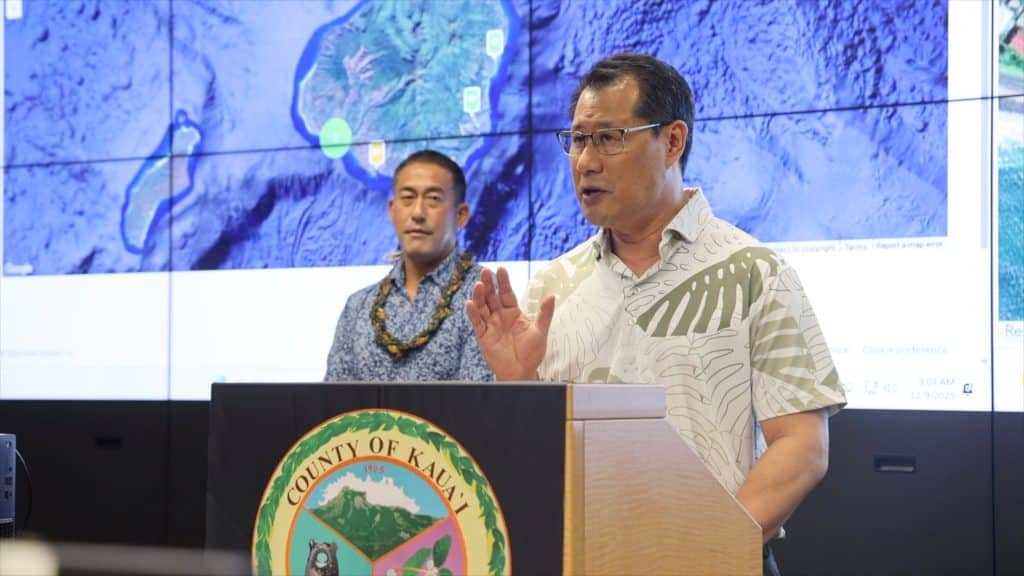
Kaua‘i HI-WiFi Starlink Program Launched by DCCA to Enhance Connectivity
Introduction
The Department of Commerce and Consumer Affairs (DCCA), in collaboration with the County of Kaua‘i, has initiated the Kaua‘i HI-WiFi Starlink Program. This program aims to expand reliable internet access in some of the island’s most remote and underserved areas by leveraging Starlink satellite technology.
Program Objectives and Sustainable Development Goals (SDGs)
The Kaua‘i HI-WiFi Starlink Program aligns with several Sustainable Development Goals, particularly:
- SDG 9: Industry, Innovation, and Infrastructure – by deploying advanced satellite technology to improve internet infrastructure.
- SDG 10: Reduced Inequalities – by providing free public Wi-Fi in locations with limited or no traditional communications infrastructure.
- SDG 11: Sustainable Cities and Communities – by enhancing connectivity in parks, recreation areas, and other public spaces.
- SDG 3: Good Health and Well-being – by supporting emergency communication and public safety capabilities.
Implementation Details
- Technology Deployment: The program utilizes Starlink satellite technology to deliver free public Wi-Fi services in remote parks, recreation areas, and locations with poor cellular coverage.
- Target Beneficiaries: Residents, visitors, lifeguards, hikers, park rangers, and state and county employees benefit from improved connectivity.
- Emergency Preparedness: The Kaua‘i Emergency Management Agency leads the rollout and maintains the system to ensure readiness during emergencies, enhancing community resilience.
- Expansion Plans: Initial installations cover parks and athletic facilities, with additional locations planned to broaden coverage.
Significance and Impact
- The program strengthens equity by ensuring reliable access to information and communication tools across Kaua‘i’s communities.
- It enhances resilience and preparedness by supporting emergency communication systems, crucial during natural disasters and other crises.
- Lessons from Starlink’s deployment after the Maui wildfires, where satellite connectivity was vital after traditional infrastructure failed, have informed the program’s design.
- Funding and support from DCCA and Kaua‘i County demonstrate a strong commitment to expanding resilient connectivity throughout Hawai‘i.
Conclusion
The Kaua‘i HI-WiFi Starlink Program represents a significant step toward achieving sustainable, inclusive, and resilient internet access in Hawai‘i. By addressing connectivity gaps in remote and underserved areas, the initiative supports multiple Sustainable Development Goals and fosters stronger, safer communities on the island of Kaua‘i.
1. Sustainable Development Goals (SDGs) Addressed or Connected
- SDG 9: Industry, Innovation and Infrastructure
- The article discusses expanding reliable internet access using Starlink satellite technology, which relates to building resilient infrastructure and fostering innovation.
- SDG 10: Reduced Inequalities
- The program targets underserved and remote areas, promoting equitable access to communication technologies.
- SDG 11: Sustainable Cities and Communities
- Enhancing connectivity in public parks, recreation areas, and community centers supports inclusive and sustainable urban and rural development.
- SDG 3: Good Health and Well-being
- Improved emergency communication and public safety capabilities contribute to health and well-being.
- SDG 13: Climate Action
- The program’s role in emergency preparedness and resilience, especially learning from wildfire responses, aligns with climate action goals.
2. Specific Targets Under Those SDGs
- SDG 9: Industry, Innovation and Infrastructure
- Target 9.c: Significantly increase access to information and communications technology and strive to provide universal and affordable access to the Internet in least developed countries by 2020 (adapted here to remote areas in Kaua‘i).
- SDG 10: Reduced Inequalities
- Target 10.b: Encourage official development assistance and financial flows, including through enhanced technical cooperation, to regions where the need is greatest.
- Target 10.2: Empower and promote the social, economic and political inclusion of all irrespective of age, sex, disability, race, ethnicity, origin, religion or economic or other status.
- SDG 11: Sustainable Cities and Communities
- Target 11.3: Enhance inclusive and sustainable urbanization and capacity for participatory, integrated and sustainable human settlement planning and management.
- Target 11.5: Reduce the number of deaths and the number of people affected by disasters.
- SDG 3: Good Health and Well-being
- Target 3.d: Strengthen the capacity of all countries for early warning, risk reduction and management of national and global health risks.
- SDG 13: Climate Action
- Target 13.1: Strengthen resilience and adaptive capacity to climate-related hazards and natural disasters in all countries.
3. Indicators Mentioned or Implied in the Article
- Access to Reliable Internet
- Percentage of population in remote and underserved areas with access to reliable internet connectivity.
- Emergency Communication Readiness
- Functionality and maintenance status of emergency communication systems during disasters.
- Public Wi-Fi Availability
- Number of public locations (parks, recreation areas, athletic facilities) equipped with free Wi-Fi.
- Equity in Access
- Reduction in connectivity gaps between urban and remote communities.
- Emergency Response Effectiveness
- Improvement in communication during emergencies as measured by response times or coverage.
4. Table of SDGs, Targets, and Indicators
| SDGs | Targets | Indicators |
|---|---|---|
| SDG 9: Industry, Innovation and Infrastructure | 9.c: Increase access to ICT and provide universal, affordable internet access in underserved areas. | Percentage of population in remote areas with reliable internet access. |
| SDG 10: Reduced Inequalities | 10.b: Enhance technical cooperation to regions with greatest need. 10.2: Promote social and economic inclusion of all. |
Reduction in connectivity gaps between urban and remote communities. |
| SDG 11: Sustainable Cities and Communities | 11.3: Enhance inclusive and sustainable urbanization. 11.5: Reduce deaths and people affected by disasters. |
Number of public locations with free Wi-Fi. Emergency communication system functionality during disasters. |
| SDG 3: Good Health and Well-being | 3.d: Strengthen capacity for early warning, risk reduction, and management of health risks. | Emergency communication readiness and effectiveness during emergencies. |
| SDG 13: Climate Action | 13.1: Strengthen resilience and adaptive capacity to climate-related hazards and disasters. | Improvement in communication and emergency response during climate-related disasters. |
Source: governor.hawaii.gov
What is Your Reaction?
 Like
1
Like
1
 Dislike
0
Dislike
0
 Love
0
Love
0
 Funny
0
Funny
0
 Angry
0
Angry
0
 Sad
0
Sad
0
 Wow
1
Wow
1