

























































Finnfund’s Uusihakala: “Fixed broadband is the key to tackling poverty in developing countries” – Cision News
Affordable Fixed Broadband Internet: A Key to Poverty Reduction in Developing Nations
Introduction
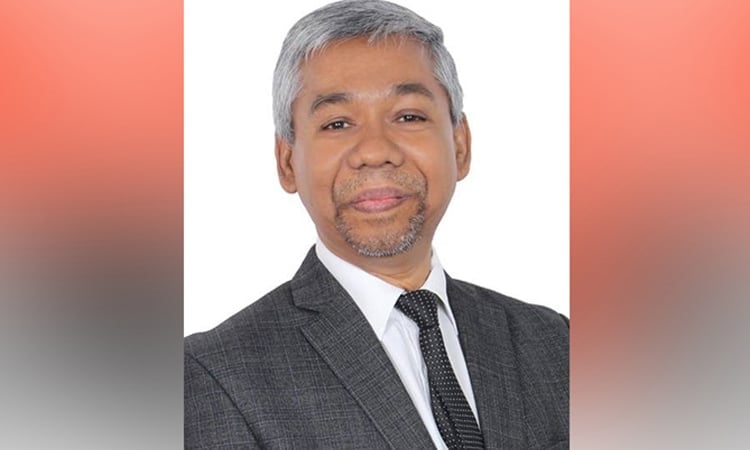
Juho Uusihakala, Senior Development Impact Adviser at Finnfund, emphasizes that affordable, fixed broadband internet is essential to alleviating poverty in developing countries. Achieving this requires overcoming three critical digital divides: coverage, usage, and quality. Investment in companies providing affordable fixed internet to underserved areas is vital to bridging these gaps.
The Sustainable Development Goals (SDGs) Context
Ensuring universal, affordable, and reliable internet access aligns directly with several SDGs, including:
- SDG 1: No Poverty
- SDG 4: Quality Education
- SDG 5: Gender Equality
- SDG 8: Decent Work and Economic Growth
- SDG 9: Industry, Innovation, and Infrastructure
- SDG 10: Reduced Inequalities
- SDG 17: Partnerships for the Goals
The Three Digital Divides
1. Coverage Gap
The coverage gap refers to populations living in areas without mobile broadband access. This gap has significantly decreased from 1.4 billion people in 2015 to 300 million in 2024, representing just 1% of the global population. However, this gap persists mainly in remote and impoverished regions of Africa, where expanding connectivity is costly and challenging.
2. Usage Gap
The usage gap is a more substantial challenge, with 3.1 billion people within mobile broadband reach who do not use it. This gap is ten times larger than the coverage gap and is often caused by the high cost of devices or connections, lack of digital skills, insufficient relevant content, and cultural barriers.
- Over half of those affected reside in South Asia and Sub-Saharan Africa.
- India has the largest usage gap, where many have internet-capable phones but do not use them.
- Women in South Asia and Sub-Saharan Africa are 30% less likely than men to use the internet due to perceived irrelevance and language barriers.
Bridging these divides could increase global GDP by $4.8 trillion between 2023 and 2030, with more than half of this growth coming from South Asia and Africa.
3. Quality Gap
The quality divide pertains to the sophistication of internet use. Economic benefits increase when the internet is used for work and accessing services, underscoring the importance of fast, reliable, and affordable connections.
Affordable Fixed Internet as a Solution
Investment in Underserved Areas
Investing in companies that provide affordable fixed internet is critical. Examples include:
- Kenya: Poa! Internet offers fixed internet at approximately €10 per month. About 75% of users increased their income through online work or study.
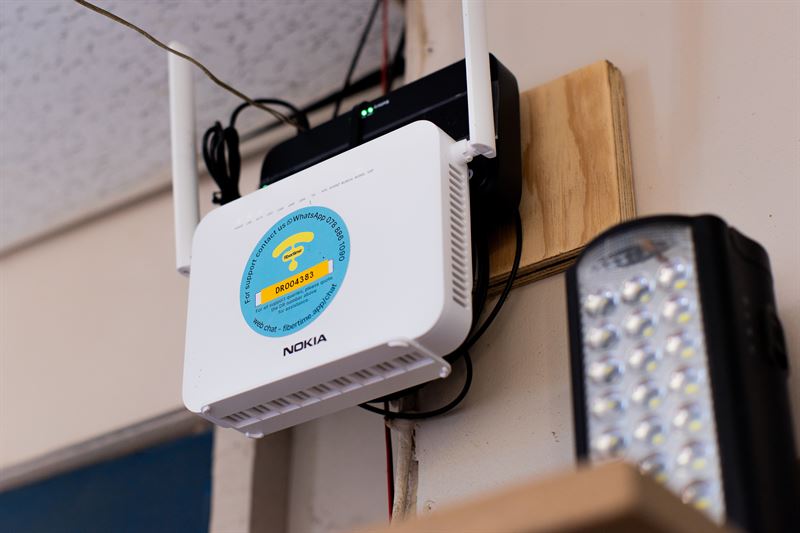
- South Africa: Fibertime delivers fixed internet to low-income neighborhoods using Nokia technology. Users with unlimited access are twice as likely to secure permanent employment, enabling long-term life planning, especially for single mothers.
Impact on Quality of Life
- Increased income often leads to better education for children.
- Improved family connections through video calls, especially important in countries like Nepal with many relatives abroad.
- Low data consumption in Africa limits economic benefits and exacerbates inequality compared to other regions.
Artificial Intelligence and Digital Inclusion
AI is transforming digital investments in developing markets. Ensuring equitable access to AI benefits is essential to avoid widening global development gaps. AI requires extensive data and infrastructure, which poses challenges and opportunities in regions lacking reliable internet access.
Conclusion
Bridging the digital divides through investments in affordable fixed broadband internet directly supports multiple Sustainable Development Goals by fostering economic growth, reducing inequalities, promoting education, and empowering marginalized groups, particularly women. Finnfund’s commitment to such investments exemplifies the role of impact finance in achieving a sustainable and inclusive digital future.
Contact Information
- Juho Uusihakala, Senior Development Impact Adviser, Finnfund: juho.uusihakala@finnfund.fi, Tel: +254 79 521 90 21 / +358 50 549 3109
- Unna Lehtipuu, Chief Communications Officer, Finnfund: unna.lehtipuu@finnfund.fi, Tel: +358 40 624 0896
About Finnfund
Finnfund is a Finnish development financier and impact investor dedicated to building a sustainable future by investing in businesses that address global development challenges with Finnish added value. Annually, Finnfund invests €200–250 million in 20–30 companies across developing countries, focusing on digital infrastructure, clean energy, forestry, agriculture, and financing small and medium-sized enterprises through financial institutions. Finnfund’s total investments and commitments amount to approximately €1.3 billion. The company operates from Helsinki and Nairobi with about 100 employees.
For more information, visit https://www.finnfund.fi/en.
1. Sustainable Development Goals (SDGs) Addressed or Connected
- SDG 1: No Poverty – The article discusses how affordable fixed broadband internet can help reduce poverty by enabling income generation and access to education.
- SDG 4: Quality Education – Increased internet access supports education, as mentioned with children’s better education through increased income.
- SDG 5: Gender Equality – The article highlights the gender gap in internet usage, especially in South Asia and Sub-Saharan Africa.
- SDG 8: Decent Work and Economic Growth – Internet access leads to better employment opportunities and economic growth.
- SDG 9: Industry, Innovation and Infrastructure – Investment in digital infrastructure and affordable internet access is a core theme.
- SDG 10: Reduced Inequalities – Bridging digital divides reduces inequalities in access and economic opportunity.
- SDG 17: Partnerships for the Goals – The role of investment and partnerships in expanding internet access is emphasized.
2. Specific Targets Under Those SDGs Identified
- SDG 1
- Target 1.2: Reduce poverty in all its dimensions by enabling income-generating opportunities through internet access.
- SDG 4
- Target 4.4: Increase the number of youth and adults with relevant skills, including digital skills, for employment and entrepreneurship.
- SDG 5
- Target 5.b: Enhance the use of enabling technology, particularly information and communications technology, to promote the empowerment of women.
- SDG 8
- Target 8.3: Promote development-oriented policies that support productive activities and decent job creation.
- Target 8.5: Achieve full and productive employment and decent work for all.
- SDG 9
- Target 9.c: Increase access to information and communications technology and strive to provide universal and affordable internet access in least developed countries.
- SDG 10
- Target 10.b: Encourage development assistance and investment to reduce inequalities.
- SDG 17
- Target 17.17: Encourage and promote effective public, public-private, and civil society partnerships.
3. Indicators Mentioned or Implied to Measure Progress
- Internet Coverage and Usage
- Percentage of population covered by mobile broadband networks (Coverage Gap data).
- Number of fixed broadband connections per population (e.g., less than 1% in Africa).
- Percentage of people within reach of mobile broadband who actually use it (Usage Gap).
- Gender disparity in internet usage (Women 30% less likely to use internet).
- Economic Impact Indicators
- Increase in income due to internet access (e.g., 75% in Kenya increased income).
- Employment rates linked to internet access (e.g., doubled likelihood of permanent employment with fixed internet in South Africa).
- Contribution to GDP growth from bridging digital divides (estimated $4.8 trillion globally).
- Quality of Internet Access
- Data consumption levels as a proxy for quality and economic benefit.
- Affordability metrics (e.g., monthly cost of about €10 for fixed internet).
- Digital Skills and Content Accessibility
- Access to digital skills training and relevant content (implied by usage gap reasons).
4. Table of SDGs, Targets, and Indicators
| SDGs | Targets | Indicators |
|---|---|---|
| SDG 1: No Poverty | Target 1.2: Reduce poverty by enabling income-generating opportunities through internet access. |
|
| SDG 4: Quality Education | Target 4.4: Increase digital skills for employment and entrepreneurship. |
|
| SDG 5: Gender Equality | Target 5.b: Promote ICT to empower women. |
|
| SDG 8: Decent Work and Economic Growth |
|
|
| SDG 9: Industry, Innovation and Infrastructure | Target 9.c: Increase access to affordable internet in least developed countries. |
|
| SDG 10: Reduced Inequalities | Target 10.b: Encourage investment to reduce inequalities. |
|
| SDG 17: Partnerships for the Goals | Target 17.17: Promote effective public-private partnerships. |
|
Source: news.cision.com
What is Your Reaction?
 Like
0
Like
0
 Dislike
0
Dislike
0
 Love
0
Love
0
 Funny
0
Funny
0
 Angry
0
Angry
0
 Sad
0
Sad
0
 Wow
0
Wow
0