

























































The future of Iran’s internet connectivity is still bleak, even as weeks-long blackout begins to lift – CNN

Report on Iran’s Internet Connectivity and Its Implications for Sustainable Development Goals (SDGs)
Partial Restoration of Internet Connectivity in Iran
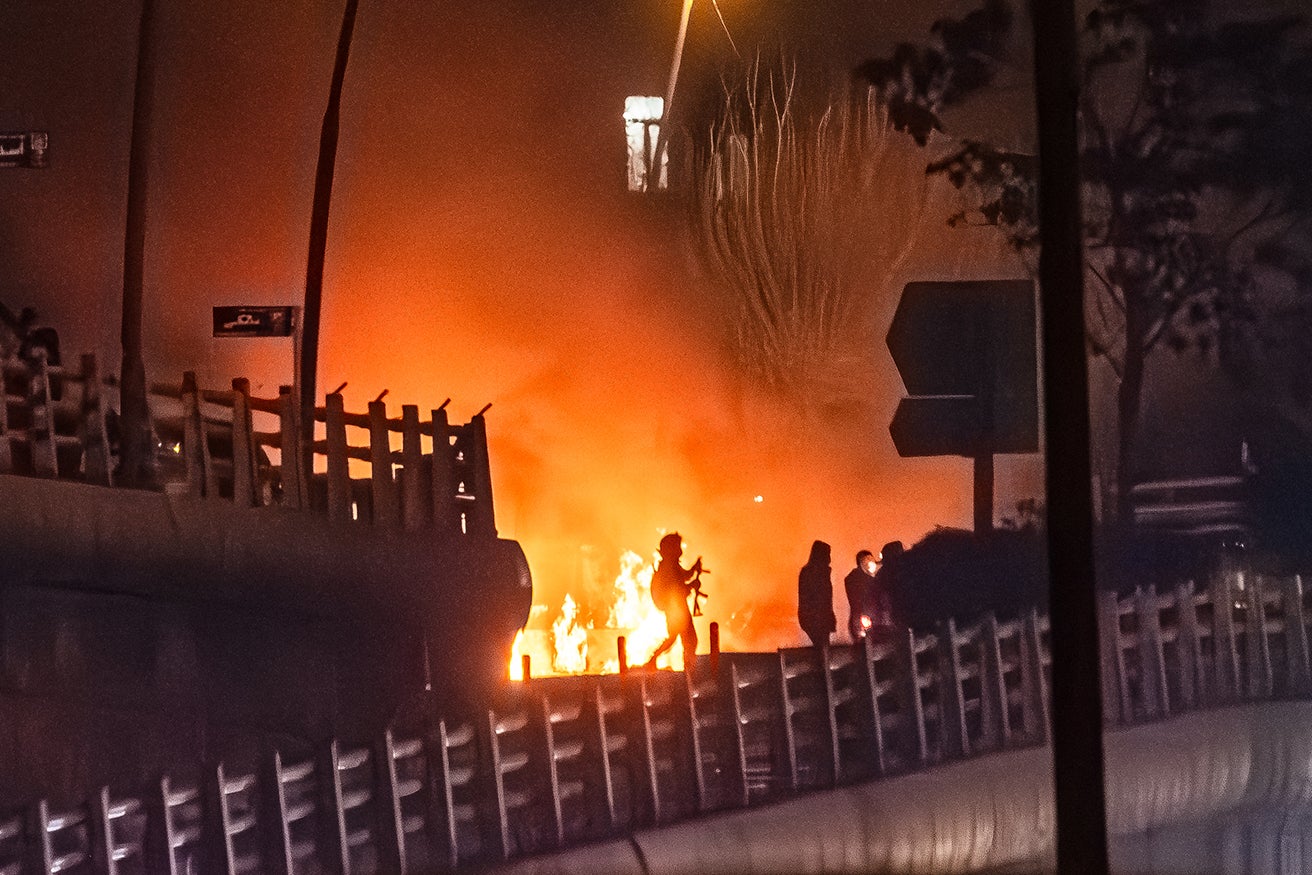
Iran’s internet connectivity has been partially restored after nearly 20 days of a government-imposed blackout aimed at suppressing massive anti-government protests. Despite this partial restoration, experts warn that the future of internet access in Iran remains bleak, posing significant challenges to achieving the Sustainable Development Goals, particularly SDG 9 (Industry, Innovation, and Infrastructure) and SDG 16 (Peace, Justice, and Strong Institutions).
Digital Isolation and Government Control
Digital monitoring experts from NetBlocks and Kentik report that Iran is entering a “new age of digital isolation.” The Iranian regime is advancing plans to restrict access to the international internet through a policy known as “whitelisting,” which allows only a small subset of users with security clearance to access the global web. This move severely limits freedom of information and undermines SDG 9 and SDG 16 by restricting innovation and transparency.
- Previous internet shutdowns have led to permanent bans on platforms like Instagram and Telegram.
- Whitelisting replaces the traditional blacklisting of specific websites, effectively censoring the majority of the population.
- The national internet allows the regime to monitor users and block unapproved content.
Experts highlight that internet traffic remains unstable, and most ordinary users continue to face heavy filtering and intermittent service, further impeding access to information and communication technologies (ICTs).
Clampdown on Internet Workarounds
Despite stringent censorship, Iranian citizens have demonstrated sophisticated capabilities in circumventing restrictions, notably through satellite internet services such as Elon Musk’s Starlink, which has been made available for free in Iran. This innovation supports SDG 9 by promoting access to reliable and modern ICT infrastructure.
- Satellite internet provides connectivity independent of national sovereignty, challenging government-imposed shutdowns.
- Approximately 50,000 Starlink terminals have been smuggled into Iran, although the government is actively cracking down on users and smugglers.
- Electronic warfare tools are used to disrupt satellite signals, and possession of satellite terminals risks imprisonment.
Additionally, virtual private networks (VPNs) have been funded by the US government to help users bypass censorship, although funding was cut in 2026. VPNs remain critical tools for maintaining access to information, aligning with SDG 16’s emphasis on inclusive societies and access to information.
High Costs of Internet Censorship
Iran’s isolated economy allows for broad internet censorship with fewer immediate disruptions to international services. However, the economic and social costs remain substantial, affecting SDG 8 (Decent Work and Economic Growth) and SDG 9.
- Internal stakeholders benefit economically from international internet access, creating conflicting interests within the regime.
- The recent internet blackout was the longest in Iranian history, surpassing the 2019 shutdown by nearly two weeks.
- The 2019 shutdown was estimated to have cost Iran approximately $1.5 billion, highlighting the significant economic impact of censorship.
These internet restrictions hinder economic development, innovation, and social inclusion, thereby impeding progress toward multiple SDGs.
Conclusion
The ongoing internet censorship and digital isolation in Iran present critical challenges to the realization of Sustainable Development Goals, especially SDG 9 (Industry, Innovation, and Infrastructure), SDG 16 (Peace, Justice, and Strong Institutions), and SDG 8 (Decent Work and Economic Growth). While technological workarounds like satellite internet offer some relief, government crackdowns and restrictive policies threaten to deepen digital divides and limit access to information, freedom of expression, and economic opportunities for millions of Iranians.
1. Sustainable Development Goals (SDGs) Addressed or Connected
- SDG 9: Industry, Innovation and Infrastructure
- The article discusses internet infrastructure, connectivity, and digital isolation in Iran.
- SDG 16: Peace, Justice and Strong Institutions
- The issues of internet censorship, government crackdowns on protests, surveillance, and restrictions on digital rights relate to this goal.
- SDG 10: Reduced Inequalities
- The digital divide created by whitelisting and restricted internet access impacts inequality in access to information.
- SDG 17: Partnerships for the Goals
- International efforts such as VPN funding and satellite internet provision (e.g., Starlink) reflect partnerships and cooperation to support internet freedom.
2. Specific Targets Under Those SDGs Identified
- SDG 9: Industry, Innovation and Infrastructure
- Target 9.c: Significantly increase access to information and communications technology and strive to provide universal and affordable access to the Internet in least developed countries by 2020.
- SDG 16: Peace, Justice and Strong Institutions
- Target 16.10: Ensure public access to information and protect fundamental freedoms, in accordance with national legislation and international agreements.
- Target 16.6: Develop effective, accountable and transparent institutions at all levels.
- SDG 10: Reduced Inequalities
- Target 10.2: Empower and promote the social, economic and political inclusion of all, irrespective of age, sex, disability, race, ethnicity, origin, religion or economic or other status.
- SDG 17: Partnerships for the Goals
- Target 17.6: Enhance North-South, South-South and triangular regional and international cooperation on and access to science, technology and innovation.
3. Indicators Mentioned or Implied to Measure Progress
- Internet Connectivity and Access Indicators
- Percentage of population with internet access (implied by discussion of connectivity restoration and blackouts).
- Number of users able to access international internet vs. national internet (implied by whitelisting and censorship policies).
- Freedom of Information and Digital Rights Indicators
- Number of internet shutdowns and duration (explicitly mentioned as the longest blackout in history).
- Extent of censorship and blocking of websites and apps (e.g., Instagram, Telegram bans).
- Incidents of surveillance and restrictions on VPN usage.
- Economic Impact Indicators
- Economic cost of internet shutdowns (e.g., estimated $1.5 billion loss in 2019 shutdown).
- Access to Circumvention Tools
- Number of satellite internet terminals (e.g., Starlink) smuggled into the country.
- Availability and usage of VPNs.
4. Table of SDGs, Targets and Indicators
| SDGs | Targets | Indicators |
|---|---|---|
| SDG 9: Industry, Innovation and Infrastructure | 9.c: Increase access to ICT and provide universal, affordable internet access. |
|
| SDG 16: Peace, Justice and Strong Institutions |
|
|
| SDG 10: Reduced Inequalities | 10.2: Empower and promote social, economic and political inclusion of all. |
|
| SDG 17: Partnerships for the Goals | 17.6: Enhance international cooperation on access to technology and innovation. |
|
Source: cnn.com
What is Your Reaction?
 Like
0
Like
0
 Dislike
0
Dislike
0
 Love
0
Love
0
 Funny
0
Funny
0
 Angry
0
Angry
0
 Sad
0
Sad
0
 Wow
0
Wow
0