

























































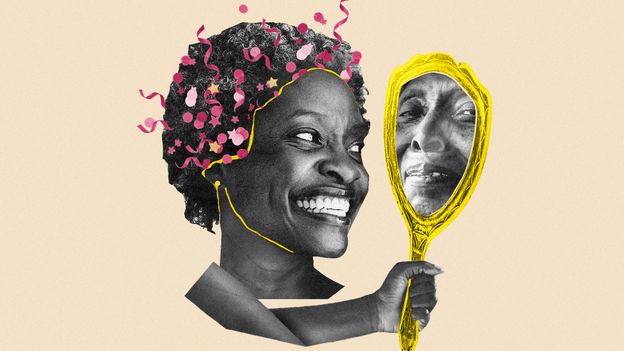
‘Ageing is not a destructive force’: How defying ageism can help you live longer – BBC
Positive Perspectives on Ageing and Cultural Respect

Ageing is increasingly recognized as a privilege and is celebrated with respect in many cultures worldwide, aligning with the Sustainable Development Goal (SDG) 3: Good Health and Well-being, which promotes healthy lives and well-being for all ages.
Cultural Practices Honoring Older Adults
- Asian Communities: Influenced by Confucian values, many Asian societies uphold filial piety, emphasizing respect and care for elders, supporting SDG 10: Reduced Inequalities by fostering inclusive societies.
- Japan: Celebrates Keirō no Hi or Respect for the Aged Day every third Monday of September, an official holiday since 1966, alongside special birthday celebrations marking significant life milestones such as the 60th, 77th, 88th, and 99th birthdays.
- Native American Communities: Older adults are revered as “living libraries,” serving as keepers of wisdom and storytellers, preserving traditions and customs orally, which contributes to SDG 4: Quality Education by promoting cultural knowledge transmission.
Overcoming Age Biases
Addressing ageism is critical to achieving SDG 10: Reduced Inequalities and SDG 16: Peace, Justice, and Strong Institutions by promoting inclusive and equitable societies.
Challenging Stereotypes and Cultural Norms
- Cultural and Individual Levels: It is essential to challenge age-related stereotypes both culturally and within family structures. Role models of successful ageing, often family members like parents and grandparents, play a significant role in shaping positive perceptions of ageing. A 2016 study found that 85% of participants with ageing role models held less negative views on ageing.
- Changing Expectations: Societal norms around age-related expectations must evolve to dismantle stereotypes associated with different age groups.
- Intergenerational Contact: Encouraging interactions between different age groups fosters understanding and reduces ageism.
Intergenerational Interventions and Longevity
- Research indicates that intergenerational interventions lead to a substantial reduction in ageism and are cost-effective.
- Blue Zones: In regions known as blue zones, where people often live to 100 years or more, multigenerational living and strong social networks are prevalent. These factors contribute to longevity by combating loneliness and enhancing social connection, supporting SDG 3: Good Health and Well-being and SDG 11: Sustainable Cities and Communities.
Conclusion
Promoting respect for older adults and overcoming age biases are integral to achieving the Sustainable Development Goals, particularly those focused on health, equality, and inclusive societies. Cultural practices that honor ageing and intergenerational engagement serve as effective strategies to foster dignity, well-being, and social cohesion across all ages.
1. Sustainable Development Goals (SDGs) Addressed or Connected
- SDG 3: Good Health and Well-being
- The article discusses ageing, longevity, and mental health aspects such as loneliness, which relate directly to ensuring healthy lives and promoting well-being for all ages.
- SDG 10: Reduced Inequalities
- Addressing ageism and cultural biases against older adults connects to reducing inequalities within and among countries.
- SDG 11: Sustainable Cities and Communities
- Multigenerational living and social networks mentioned in the article relate to making communities inclusive, safe, resilient, and sustainable.
- SDG 4: Quality Education
- Intergenerational interventions and passing down wisdom and traditions relate to lifelong learning opportunities and education.
2. Specific Targets Under Those SDGs Identified
- SDG 3: Good Health and Well-being
- Target 3.4: Reduce premature mortality from non-communicable diseases and promote mental health and well-being.
- Target 3.8: Achieve universal health coverage, including access to quality essential health-care services.
- SDG 10: Reduced Inequalities
- Target 10.2: Empower and promote the social, economic and political inclusion of all, irrespective of age.
- SDG 11: Sustainable Cities and Communities
- Target 11.7: Provide universal access to safe, inclusive and accessible green and public spaces, particularly for older persons.
- SDG 4: Quality Education
- Target 4.7: Ensure that all learners acquire knowledge and skills needed to promote sustainable development, including cultural values and intergenerational learning.
3. Indicators Mentioned or Implied to Measure Progress
- Indicators related to SDG 3:
- Prevalence of loneliness among older adults (implied through discussion of tackling loneliness).
- Life expectancy and longevity rates (implied by references to blue zones and people living to 100 years).
- Mental health status and reduction in age-related stigma.
- Indicators related to SDG 10:
- Measures of ageism prevalence and reduction (implied by studies on age bias and intergenerational interventions).
- Social inclusion indices for older adults.
- Indicators related to SDG 11:
- Number or proportion of multigenerational households or communities.
- Access to social networks and community support for older adults.
- Indicators related to SDG 4:
- Participation rates in intergenerational learning programs.
- Presence of cultural education and transmission of traditions (implied by elders as “living libraries”).
4. Table of SDGs, Targets, and Indicators
| SDGs | Targets | Indicators |
|---|---|---|
| SDG 3: Good Health and Well-being |
|
|
| SDG 10: Reduced Inequalities |
|
|
| SDG 11: Sustainable Cities and Communities |
|
|
| SDG 4: Quality Education |
|
|
Source: bbc.com
What is Your Reaction?
 Like
1
Like
1
 Dislike
0
Dislike
0
 Love
0
Love
0
 Funny
0
Funny
0
 Angry
0
Angry
0
 Sad
0
Sad
0
 Wow
1
Wow
1