























































Applications now open for Young Women in Leadership Award from Zonta Club – Big Island Now
Report on the 2026 Young Women in Leadership Award Initiative
Introduction and Alignment with Sustainable Development Goals (SDGs)
The Zonta Club of Hilo has announced the application period for its 2026 Young Women in Leadership Award. This initiative is designed to recognize and cultivate leadership potential among young women aged 16-19. The program’s core mission directly supports several key United Nations Sustainable Development Goals (SDGs), with a primary focus on SDG 5: Gender Equality. By encouraging participation in public life and service, the award also contributes to SDG 16: Peace, Justice and Strong Institutions and promotes educational pursuits aligned with SDG 4: Quality Education.
Program Objectives and Contribution to SDG 5
The award aims to empower young women, a critical step toward achieving SDG 5, which calls for women’s full and effective participation and equal opportunities for leadership at all levels of decision-making. The program’s objectives are:
- To recognize and reward commitment to the volunteer sector and community service.
- To validate and celebrate demonstrated achievements in volunteer leadership roles.
- To foster a dedication to building a more equitable world, specifically addressing the empowerment of women and girls.
- To encourage young women to seek leadership positions in public policy, government, and civil society, thereby strengthening institutions as per SDG 16.
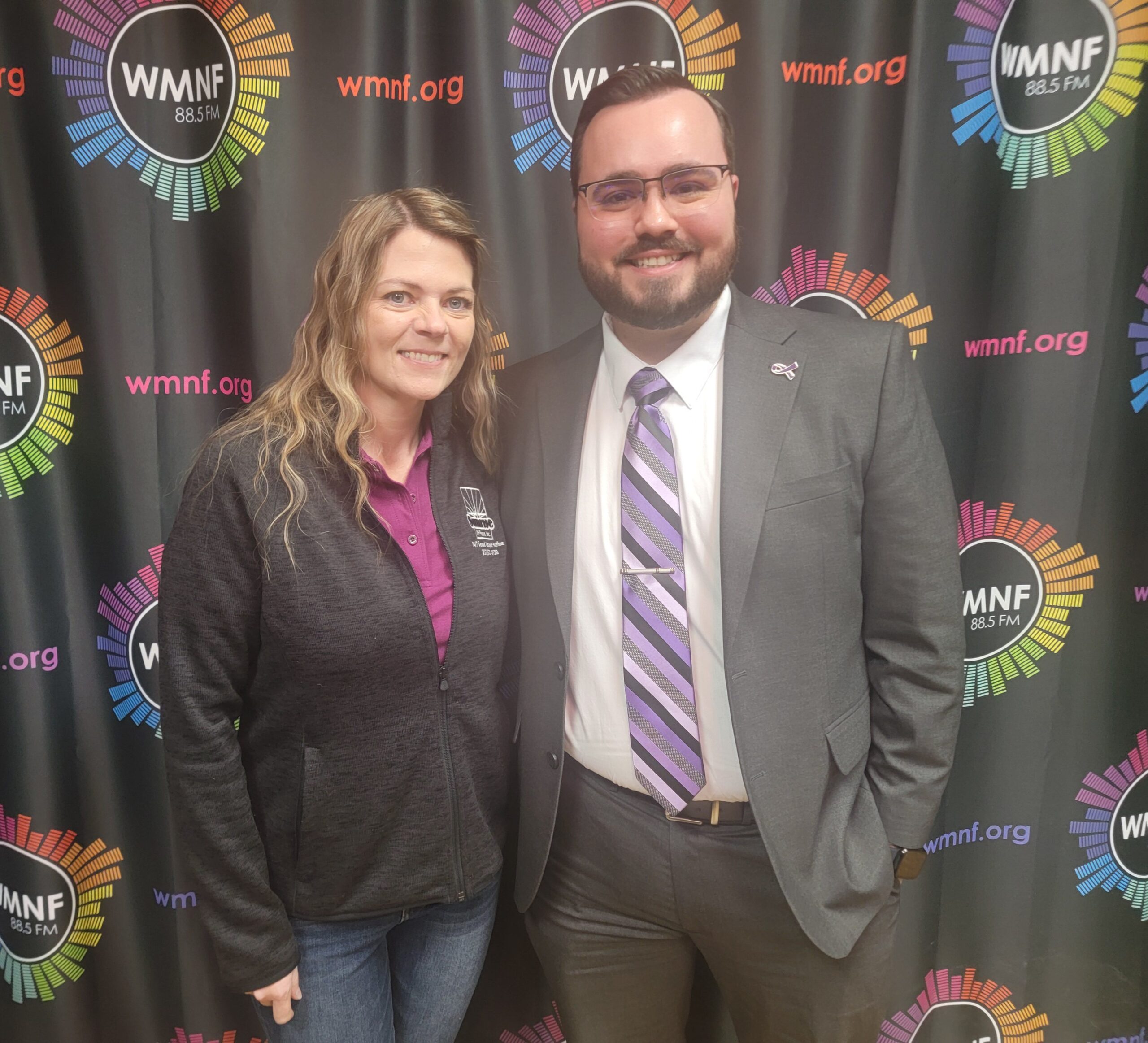
As stated by Zonta Club of Hilo President Laurie Higashi, increasing female representation in key decision-making positions is essential for global progress, directly reflecting the targets of SDG 5.
Eligibility and Application Criteria
Candidates are evaluated on criteria that reflect a holistic approach to leadership and a commitment to social progress. Applicants are required to demonstrate alignment with the principles of the SDGs through their experiences and reflections.
- Age and Status: Applicants must be high school or college students aged 16-19.
- Leadership Experience: Evidence of leadership in local or student government, or in paid or unpaid workplace roles, is required.
- Commitment to Service: A strong record of volunteerism and meaningful leadership achievements within the volunteer sector is essential.
- Global Awareness: Applicants must submit a reflection on the systemic problems that limit the empowerment of women, both domestically and globally. This requirement directly engages applicants with the challenges addressed by SDG 5 (Gender Equality) and SDG 10 (Reduced Inequalities).
Application and Selection Process
The deadline for application submission is February 1, 2026. The selection process is designed to identify a candidate with significant potential for future leadership. The top recipient selected by the Zonta Club of Hilo will be automatically advanced for consideration at the Zonta District and International levels, providing a platform for greater impact and visibility in contributing to the global goals.
Analysis of SDGs in the Article
1. Which SDGs are addressed or connected to the issues highlighted in the article?
The article about the Zonta Club of Hilo’s “Young Women in Leadership Award” connects to several Sustainable Development Goals (SDGs) by focusing on empowering young women, promoting education, and encouraging participation in public life.
- SDG 5: Gender Equality: This is the primary SDG addressed. The award is exclusively for young women and aims to build “a better world for women and girls through service and advocacy.” It directly tackles the issue of underrepresentation by encouraging women to take on “key decision-making positions.”
- SDG 4: Quality Education: The award is open to “high school and college students” and functions as a scholarship that helps recipients “further their education.” This directly supports access to and continuation of education for young women.
- SDG 10: Reduced Inequalities: By specifically targeting young women for leadership development and empowerment, the initiative works to reduce gender-based inequalities in access to leadership opportunities and decision-making roles.
- SDG 16: Peace, Justice and Strong Institutions: The program encourages young women to seek leadership positions in “public policy making, government, and volunteer organizations,” which contributes to building more inclusive, participatory, and representative institutions.
2. What specific targets under those SDGs can be identified based on the article’s content?
Based on the article’s focus, the following specific SDG targets can be identified:
-
Target 5.5: Ensure women’s full and effective participation and equal opportunities for leadership at all levels of decision-making in political, economic and public life.
- The article directly supports this target. The stated goal is to ensure “more women to be represented in key decision-making positions worldwide” by encouraging them to “participate in leadership positions” and seek roles in “public policy making, government, and volunteer organizations.”
-
Target 4.5: By 2030, eliminate gender disparities in education and ensure equal access to all levels of education and vocational training for the vulnerable…
- The award, which includes scholarships, directly promotes this target by providing financial support for young women in high school and college to “further their education,” thereby helping to eliminate financial barriers and promote equal access.
-
Target 10.2: By 2030, empower and promote the social, economic and political inclusion of all, irrespective of age, sex, disability, race, ethnicity, origin, religion or economic or other status.
- The initiative is a clear effort to “empower and promote” the political and social inclusion of young women by recognizing their leadership potential and achievements and encouraging their participation in governance and community service.
-
Target 16.7: Ensure responsive, inclusive, participatory and representative decision-making at all levels.
- By fostering a new generation of female leaders destined for roles in government and public policy, the program contributes to making future decision-making bodies more representative of the population they serve.
3. Are there any indicators mentioned or implied in the article that can be used to measure progress towards the identified targets?
The article does not mention official SDG indicators, but it implies several practical metrics that can be used to measure the program’s impact and progress towards the identified targets:
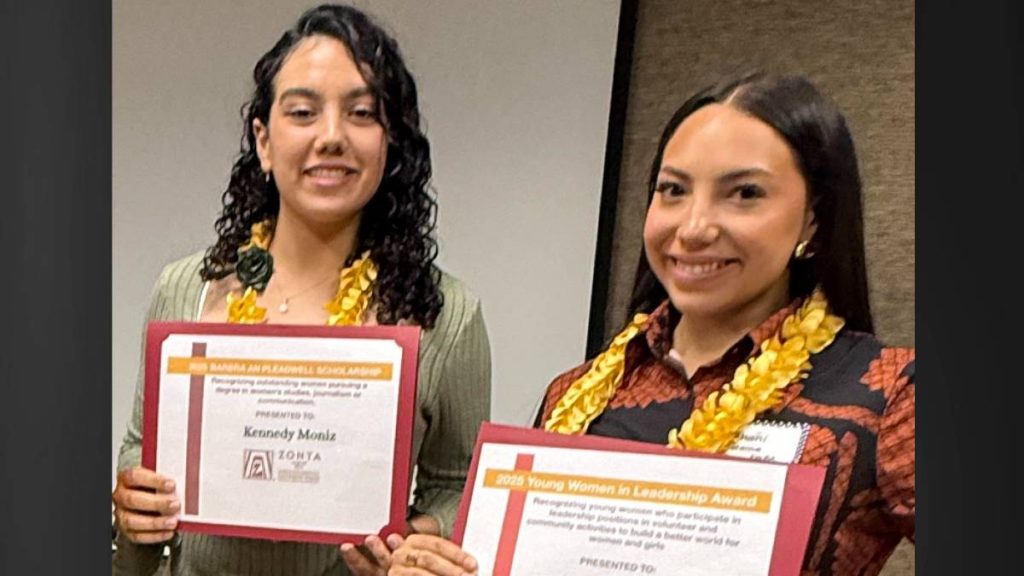
- Number of applications submitted and awards granted: The article announces that “Applications for the 2026 Young Women in Leadership Award are now available.” Tracking the number of applicants and recipients (like the 2025 recipients mentioned, Kennedy Moniz and Lehani Coloma) serves as a direct indicator of the program’s reach in encouraging young women’s leadership aspirations (relevant to Target 5.5).
- Evidence of volunteer leadership achievements: A key application criterion is “evidence of volunteer leadership achievements” and “experience in local or student government.” The quality and quantity of these achievements among applicants can be used as an indicator of youth participation in public life (relevant to Targets 5.5 and 16.7).
- Number of scholarships awarded to further education: The article states that the “top recipient will automatically advance for consideration for additional scholarships.” The number of scholarships awarded is a direct measure of support for eliminating gender disparities in education (relevant to Target 4.5).
- Reflection on women’s empowerment issues: The requirement for applicants to “reflect on the problems limiting the empowerment of women” can be qualitatively assessed to measure the level of awareness and engagement with gender equality issues among young leaders (relevant to SDG 5).
4. Table of SDGs, Targets, and Indicators
| SDGs | Targets | Indicators (Implied from the Article) |
|---|---|---|
| SDG 5: Gender Equality | Target 5.5: Ensure women’s full and effective participation and equal opportunities for leadership at all levels of decision-making. |
|
| SDG 4: Quality Education | Target 4.5: Eliminate gender disparities in education and ensure equal access. |
|
| SDG 10: Reduced Inequalities | Target 10.2: Empower and promote the social, economic and political inclusion of all. |
|
| SDG 16: Peace, Justice and Strong Institutions | Target 16.7: Ensure responsive, inclusive, participatory and representative decision-making at all levels. |
|
Source: bigislandnow.com
What is Your Reaction?
 Like
0
Like
0
 Dislike
0
Dislike
0
 Love
0
Love
0
 Funny
0
Funny
0
 Angry
0
Angry
0
 Sad
0
Sad
0
 Wow
0
Wow
0