




































Biodiversity loss is changing what mosquitoes bite – WAMC
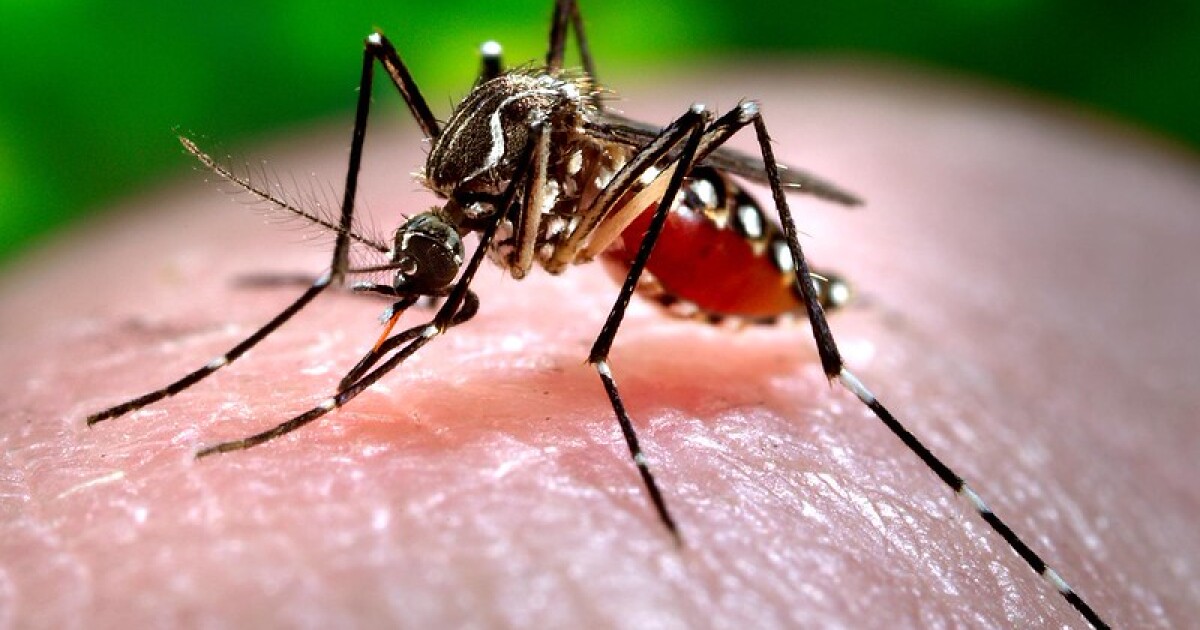
Impact of Biodiversity Loss on Mosquito Feeding Behavior and Human Health
Introduction
Recent research highlights the critical link between biodiversity loss and changes in mosquito feeding patterns, emphasizing the implications for human health. This report focuses on findings from the Atlantic Forest of Brazil, where shrinking biodiversity has led mosquitoes to increasingly feed on humans. The study underscores the importance of Sustainable Development Goals (SDGs), particularly SDG 3 (Good Health and Well-being), SDG 15 (Life on Land), and SDG 13 (Climate Action), in addressing these emerging challenges.
Study Overview
- Location: Two protected forest reserves in the Atlantic Forest, Brazil.
- Methodology: Analysis of blood meals from over 1,700 captured mosquitoes.
- Findings: Out of 24 analyzed blood meals, 18 were from humans, with some mosquitoes feeding on multiple hosts including both humans and animals.
Ecological Context
- The Atlantic Forest historically extended along much of Brazil’s coastline and was home to extraordinary biodiversity.
- Currently, only about one-third of the original forest remains intact due to deforestation and human expansion.
- Loss of wildlife species reduces natural hosts for mosquitoes, forcing them to adapt by feeding more frequently on humans.
Implications for Sustainable Development Goals
SDG 3: Good Health and Well-being
- Increased human exposure to mosquito bites raises the risk of vector-borne diseases.
- Understanding mosquito feeding behavior aids in predicting disease outbreaks and developing targeted prevention strategies.
SDG 15: Life on Land
- Protecting biodiversity helps maintain balanced ecosystems, reducing the likelihood of mosquitoes relying on humans as primary hosts.
- Conservation efforts in forest reserves contribute to preserving natural habitats and wildlife populations.
SDG 13: Climate Action
- Climate change exacerbates habitat loss and biodiversity decline, indirectly influencing mosquito behavior and disease dynamics.
- Mitigation and adaptation strategies are essential to protect ecosystems and human health.
Recommendations
- Enhance surveillance and control efforts by targeting areas where mosquitoes are most likely to bite humans.
- Promote conservation and restoration of biodiversity to sustain natural mosquito hosts and ecosystem balance.
- Integrate ecological and public health approaches to address the interconnected challenges of biodiversity loss and disease transmission.
Conclusion
Protecting biodiversity is not only vital for wildlife conservation but also essential for safeguarding human health. The findings from the Atlantic Forest illustrate how ecosystem degradation can increase human vulnerability to mosquito-borne diseases. Aligning conservation efforts with the Sustainable Development Goals will be crucial in mitigating these risks and promoting a healthier, more sustainable future.
1. Sustainable Development Goals (SDGs) Addressed or Connected
- SDG 3: Good Health and Well-being
- The article discusses mosquito feeding behavior and its implications for human health, particularly in relation to disease transmission risks.
- SDG 15: Life on Land
- The article highlights biodiversity loss in the Atlantic Forest and its impact on ecosystems and species interactions.
- SDG 13: Climate Action
- While not explicitly mentioned, deforestation and habitat loss are linked to climate change and environmental degradation.
2. Specific Targets Under Those SDGs
- SDG 3: Good Health and Well-being
- Target 3.3: By 2030, end the epidemics of communicable diseases, including vector-borne diseases such as malaria and dengue.
- Target 3.d: Strengthen the capacity of all countries for early warning, risk reduction, and management of health risks.
- SDG 15: Life on Land
- Target 15.1: By 2020, ensure the conservation, restoration, and sustainable use of terrestrial and inland freshwater ecosystems and their services.
- Target 15.5: Take urgent and significant action to reduce the degradation of natural habitats, halt the loss of biodiversity, and protect threatened species.
- SDG 13: Climate Action
- Target 13.2: Integrate climate change measures into national policies, strategies, and planning.
3. Indicators Mentioned or Implied in the Article
- Indicator for SDG 3
- Incidence and prevalence rates of vector-borne diseases (implied through the focus on mosquito feeding behavior and disease outbreak prediction).
- Number of countries with early warning and risk reduction systems for health risks (implied by the emphasis on surveillance and control efforts).
- Indicator for SDG 15
- Proportion of forest area remaining intact (explicitly mentioned as only one-third of the Atlantic Forest remains).
- Trends in biodiversity loss and species population (implied by the discussion of shrinking biodiversity and loss of natural hosts).
- Indicator for SDG 13
- Rate of deforestation and land-use change (implied through the mention of deforestation and human expansion).
4. Table of SDGs, Targets, and Indicators
| SDGs | Targets | Indicators |
|---|---|---|
| SDG 3: Good Health and Well-being |
|
|
| SDG 15: Life on Land |
|
|
| SDG 13: Climate Action |
|
|
Source: wamc.org
What is Your Reaction?
 Like
0
Like
0
 Dislike
0
Dislike
0
 Love
0
Love
0
 Funny
0
Funny
0
 Angry
0
Angry
0
 Sad
0
Sad
0
 Wow
0
Wow
0