
















Blue Springs residents to vote on $65 million bond issue for major wastewater treatment upgrades – KSHB 41 Kansas City

Blue Springs to Vote on $65 Million Bond for Wastewater Treatment Upgrades
Overview
Blue Springs residents will vote on April 7 to approve a $65 million revenue bond aimed at funding critical upgrades to the city’s wastewater treatment system. The bond will primarily support major improvements at the Sni-A-Bar Wastewater Treatment Plant, which serves both Blue Springs and the City of Grain Valley.
City Council Decision
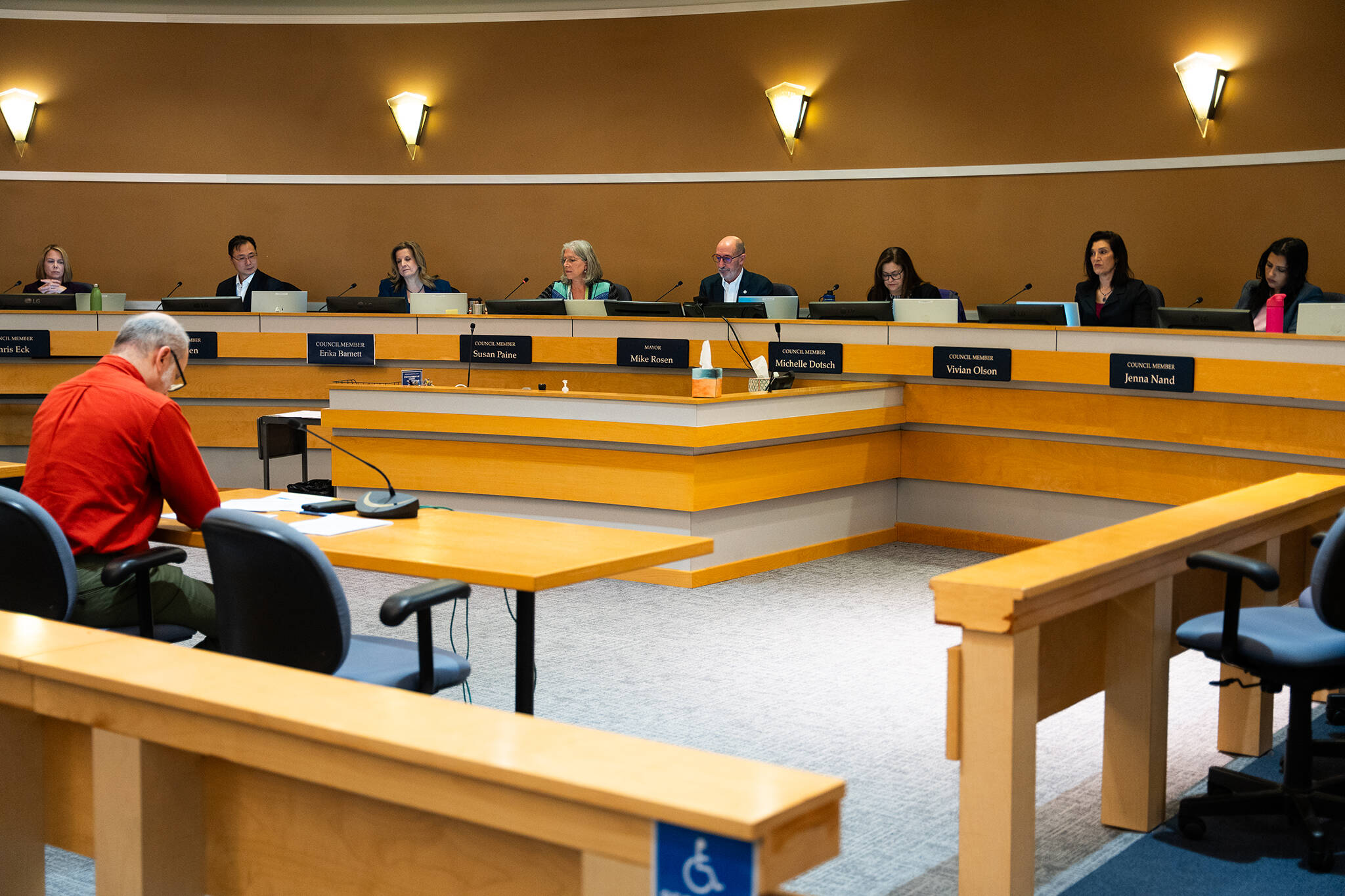
On Monday night, the Blue Springs City Council voted to place the bond issue on the April ballot. The funds will finance renovations, construction, and improvements to the city’s combined water and sewer system.
Compliance with Environmental Standards
- The largest component of the project involves bringing the Sni-A-Bar facility into compliance with new environmental standards mandated by state and federal regulators.
- A Missouri State Operating Permit, effective December 1, 2023, requires the plant to meet final effluent limits for ammonia, total phosphorus, and total nitrogen within seven years.
- These standards align with the Environmental Protection Agency’s (EPA) goals to improve water quality, supporting Sustainable Development Goal (SDG) 6: Clean Water and Sanitation.
Project Details and Engineering Recommendations
At the May 6, 2024 City Council meeting, HDR Engineering presented the facility upgrade plan, which includes:
- Replacing aging equipment in the liquid treatment process.
- Constructing new facilities for chemical and biological treatment of nitrogen and phosphorus.
These improvements aim to enhance the plant’s efficiency and environmental compliance, contributing to SDG 9: Industry, Innovation, and Infrastructure.
Funding and Financial Support
- If approved, the project will be financed through the Clean Water State Revolving Fund, which offers loan funding at below-market interest rates.
- This financial mechanism reduces overall project costs for the city, promoting sustainable economic growth consistent with SDG 11: Sustainable Cities and Communities.
Background and Community Impact
- Previously, funding efforts faced challenges when Missouri Governor Mike Kehoe vetoed $12 million allocated for the project.
- The upgrade is critical to ensuring the long-term sustainability of the city’s wastewater infrastructure and protecting local water resources.
- The project supports SDG 13: Climate Action by enhancing resilience to environmental regulations and reducing pollution.
Conclusion
The proposed $65 million bond represents a significant investment in Blue Springs’ infrastructure, aligning with multiple Sustainable Development Goals to ensure clean water, sustainable infrastructure, and resilient communities. Residents’ approval in April will enable the city to proceed with essential upgrades to the Sni-A-Bar Wastewater Treatment Plant, securing environmental compliance and public health benefits for the region.
1. Sustainable Development Goals (SDGs) Addressed or Connected
- SDG 6: Clean Water and Sanitation
- The article focuses on upgrading the wastewater treatment system to meet environmental standards, directly relating to ensuring availability and sustainable management of water and sanitation for all.
- SDG 11: Sustainable Cities and Communities
- Improving city infrastructure through wastewater treatment upgrades contributes to making cities inclusive, safe, resilient, and sustainable.
- SDG 13: Climate Action
- By complying with environmental standards and reducing pollutants, the project supports efforts to combat climate change and its impacts.
2. Specific Targets Under Those SDGs
- SDG 6 Targets
- Target 6.3: By 2030, improve water quality by reducing pollution, eliminating dumping, minimizing release of hazardous chemicals and materials, halving the proportion of untreated wastewater, and substantially increasing recycling and safe reuse globally.
- The article mentions meeting effluent limits for ammonia, total phosphorus, and total nitrogen, which aligns with reducing water pollution.
- SDG 11 Targets
- Target 11.6: By 2030, reduce the adverse per capita environmental impact of cities, including by paying special attention to air quality and municipal and other waste management.
- The wastewater treatment upgrades help reduce environmental impact from urban wastewater.
- SDG 13 Targets
- Target 13.1: Strengthen resilience and adaptive capacity to climate-related hazards and natural disasters in all countries.
- Improving wastewater treatment infrastructure enhances resilience to environmental hazards.
3. Indicators Mentioned or Implied to Measure Progress
- Indicator for SDG 6.3.1: Proportion of wastewater safely treated.
- The article discusses upgrading the wastewater treatment plant to meet effluent limits, implying measurement of treated wastewater quality and volume.
- Indicator for SDG 6.3.2: Proportion of bodies of water with good ambient water quality.
- Compliance with ammonia, total phosphorus, and total nitrogen limits reflects improvements in water quality.
- Indicator for SDG 11.6.1: Annual mean levels of fine particulate matter (PM2.5) in cities (population weighted).
- While not directly mentioned, improved wastewater treatment reduces environmental pollutants contributing to urban pollution.
- Financial Indicators:
- Use of Clean Water State Revolving Fund loans at below-market interest rates indicates financial mechanisms supporting sustainable infrastructure development.
4. Table of SDGs, Targets, and Indicators
| SDGs | Targets | Indicators |
|---|---|---|
| SDG 6: Clean Water and Sanitation | 6.3: Improve water quality by reducing pollution and increasing safe wastewater treatment and reuse by 2030. | 6.3.1: Proportion of wastewater safely treated 6.3.2: Proportion of bodies of water with good ambient water quality |
| SDG 11: Sustainable Cities and Communities | 11.6: Reduce adverse environmental impact of cities by 2030. | 11.6.1: Annual mean levels of fine particulate matter (PM2.5) in cities (implied) |
| SDG 13: Climate Action | 13.1: Strengthen resilience and adaptive capacity to climate-related hazards. | Indicators related to infrastructure resilience (implied) |
Source: kshb.com
What is Your Reaction?
 Like
0
Like
0
 Dislike
0
Dislike
0
 Love
0
Love
0
 Funny
0
Funny
0
 Angry
0
Angry
0
 Sad
0
Sad
0
 Wow
0
Wow
0