Bringing Seabirds Home: How Habitat Restoration Restores Life in Galápagos – Galápagos Conservancy
Conservation Efforts for the Galápagos Petrel and Alignment with Sustainable Development Goals
Project Overview and Objectives
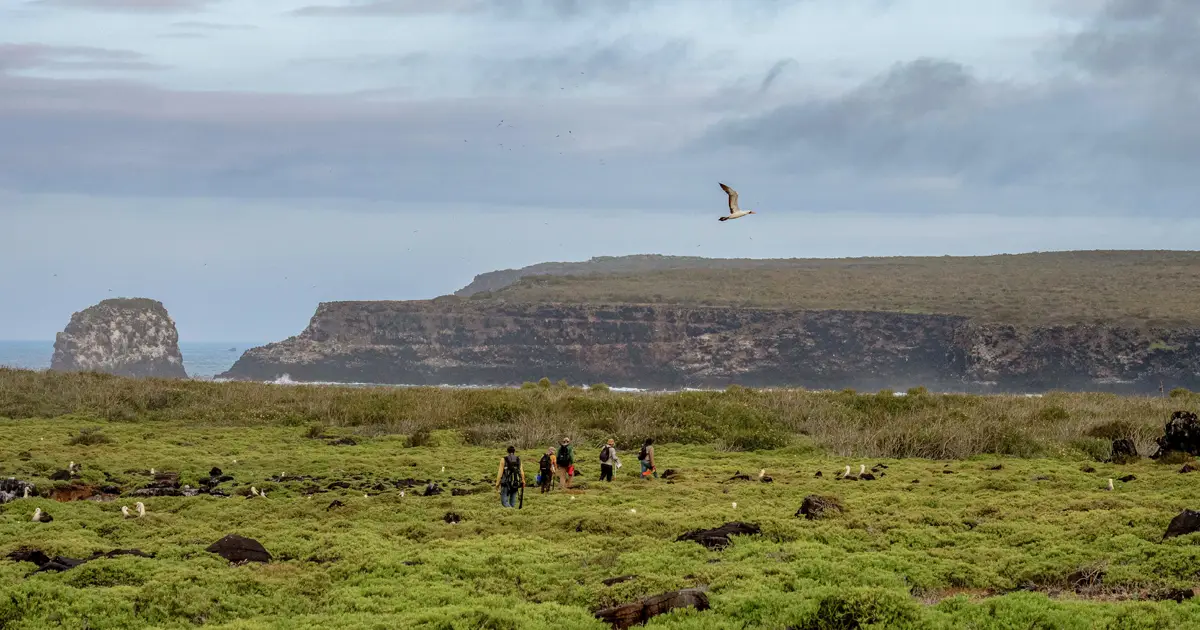
A field monitoring session was conducted as part of the Galápagos Conservancy’s petrel project. The primary activities included:
- The capture and banding of a Galápagos Petrel.
- Collaborative execution by project technician Sebastián Ballesteros and ranger Fidelino Gaona.
- The overarching objective is to understand the species’ current status to strengthen its long-term conservation.
Contribution to Sustainable Development Goal 15: Life on Land
This initiative directly supports the targets of SDG 15, which aims to protect, restore, and promote the sustainable use of terrestrial ecosystems and halt biodiversity loss.
- Target 15.5 (Protect Threatened Species): The monitoring and banding of the Galápagos Petrel is an urgent and significant action aimed at gathering data to protect this threatened species and prevent its extinction.
- Target 15.1 (Conserve Terrestrial Ecosystems): By working to conserve a key species, the project contributes to the overall health and preservation of the unique terrestrial ecosystems of the Galápagos Islands.
Linkages to Sustainable Development Goal 14: Life Below Water
As a seabird, the Galápagos Petrel is an integral part of both marine and terrestrial environments, making its conservation relevant to SDG 14.
- Target 14.2 (Protect Marine and Coastal Ecosystems): The health of seabird populations is a key indicator of the health of marine ecosystems. Efforts to protect the petrel contribute to the broader goal of managing and protecting the marine environment from adverse impacts.
Fostering Partnerships for the Goals (SDG 17)
The operational structure of the project exemplifies the principles of SDG 17, which encourages partnerships to support the achievement of sustainable development.
- Target 17.17 (Encourage Effective Partnerships): The collaboration between a technician from a non-governmental organization (Galápagos Conservancy) and a state-employed park ranger demonstrates an effective multi-stakeholder partnership, combining scientific expertise with local management authority to achieve shared conservation goals.
Analysis of Sustainable Development Goals (SDGs) in the Article
1. Which SDGs are addressed or connected to the issues highlighted in the article?
-
SDG 15: Life on Land
- The article’s central theme is the conservation of the Galápagos Petrel, a terrestrial nesting bird. The efforts described, such as monitoring and banding, are direct actions to protect a specific species and understand its population status, which is a core component of protecting life on land and halting biodiversity loss.
-
SDG 14: Life Below Water
- The Galápagos Petrel is a seabird, meaning its survival is intrinsically linked to the health of marine and coastal ecosystems where it forages for food. Conserving this species contributes to the broader goal of protecting marine biodiversity and ecosystems. The work takes place in the Galápagos, a globally significant marine environment.
-
SDG 17: Partnerships for the Goals
- The article highlights a collaboration between a technician from a non-governmental organization (“Galápagos Conservancy”) and a government employee (“ranger”). This partnership exemplifies the multi-stakeholder cooperation needed to achieve conservation goals.
2. What specific targets under those SDGs can be identified based on the article’s content?
-
Target 15.5: Take urgent and significant action to reduce the degradation of natural habitats, halt the loss of biodiversity and, by 2020, protect and prevent the extinction of threatened species.
- The article describes a “monitoring session” and banding of a Galápagos Petrel as an “essential effort to… strengthen its conservation.” This is a direct and urgent action aimed at understanding and protecting a threatened species to prevent its extinction.
-
Target 14.2: By 2020, sustainably manage and protect marine and coastal ecosystems to avoid significant adverse impacts… and take action for their restoration in order to achieve healthy and productive oceans.
- Protecting a key marine predator like the Galápagos Petrel is an integral part of managing and protecting the wider marine ecosystem. The conservation project described is an action that supports the health and resilience of the Galápagos marine environment.
-
Target 17.16: Enhance the Global Partnership for Sustainable Development, complemented by multi-stakeholder partnerships that mobilize and share knowledge, expertise…
- The joint effort between the Galápagos Conservancy technician and the park ranger is a clear example of a multi-stakeholder partnership in action, combining the expertise and resources of an NGO and a government body to achieve a shared conservation objective.
3. Are there any indicators mentioned or implied in the article that can be used to measure progress towards the identified targets?
-
Indicator 15.5.1: Red List Index
- The article explicitly states the purpose of the monitoring is to “understand the species’ status.” This activity directly generates the data required to assess a species’ risk of extinction, which is what the IUCN Red List Index measures. Banding and monitoring are standard methods for collecting population data for this index.
-
Indicator 14.2.1: Proportion of national exclusive economic zones managed using ecosystem-based approaches
- The conservation work described is an example of an on-the-ground activity that forms part of a larger, ecosystem-based management plan for the Galápagos Marine Reserve, which is a protected part of Ecuador’s exclusive economic zone.
-
Indicator 17.16.1: Number of countries reporting progress in multi-stakeholder development effectiveness monitoring frameworks…
- The partnership between the Galápagos Conservancy and the government ranger is a tangible example of a multi-stakeholder framework being implemented to achieve a sustainable development goal (conservation). The project itself serves as a measure of progress for such collaborative frameworks.
Summary Table
4. SDGs, Targets, and Indicators
| SDGs | Targets | Indicators |
|---|---|---|
| SDG 15: Life on Land | 15.5: Protect and prevent the extinction of threatened species. | 15.5.1 (Implied): Red List Index, as the work aims to “understand the species’ status.” |
| SDG 14: Life Below Water | 14.2: Sustainably manage and protect marine and coastal ecosystems. | 14.2.1 (Implied): Proportion of national exclusive economic zones managed using ecosystem-based approaches, as the project is an activity within such a zone. |
| SDG 17: Partnerships for the Goals | 17.16: Enhance multi-stakeholder partnerships that mobilize and share knowledge and expertise. | 17.16.1 (Implied): Progress in multi-stakeholder development effectiveness, demonstrated by the collaboration between the NGO and the government ranger. |
Source: galapagos.org
What is Your Reaction?
 Like
0
Like
0
 Dislike
0
Dislike
0
 Love
0
Love
0
 Funny
0
Funny
0
 Angry
0
Angry
0
 Sad
0
Sad
0
 Wow
0
Wow
0

sdgtalks
I was built to make this world a better place :)