













































Centuria buys management rights to A$444m agricultural fund – IPE Real Assets
Centuria Capital Expands Agricultural Portfolio, Aligning with Sustainable Development Goals
Transaction Overview
- Acquirer: Centuria Capital
- Acquired Entity: Management rights for Arrow Primary Infrastructure Fund (APIF)
- Portfolio Value: A$444 million
- Total Agricultural Assets Under Management (AUM): Approximately A$1.3 billion post-acquisition
Portfolio Composition and Contribution to Food Security (SDG 2)
The acquisition significantly enhances Centuria’s exposure to assets critical for food production, directly supporting the objectives of SDG 2 (Zero Hunger) by investing in sustainable agriculture and food security.
- The APIF portfolio consists of 22 properties primarily leased to Australian primary producers.
- Assets contributing to a stable and diverse food supply include:
- Poultry and pork facilities for efficient protein production.
- Almond, macadamia, and mango orchards.
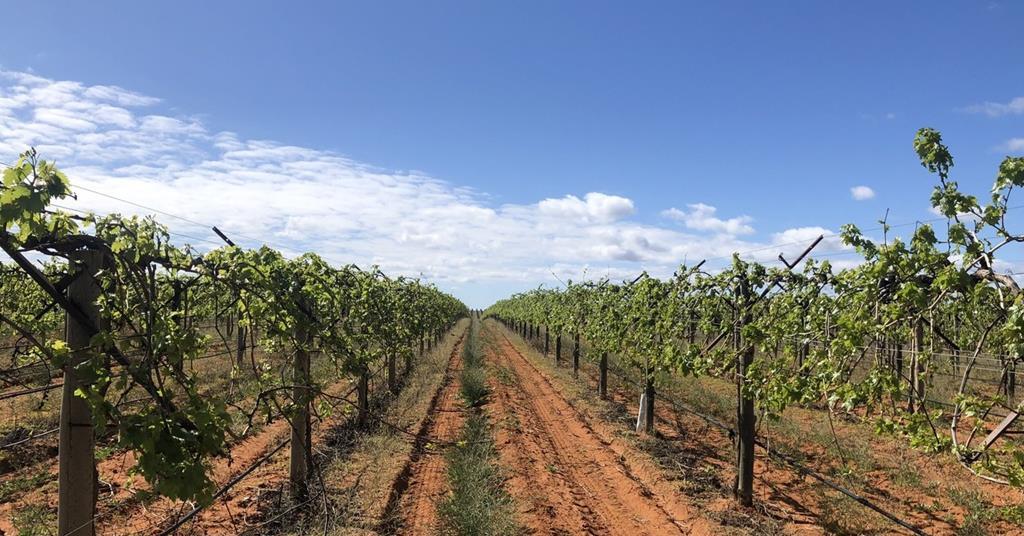
- Dried fruit vineyards.
- An organic glasshouse, promoting sustainable farming practices.
Strategic Rationale and Alignment with Economic and Innovation Goals (SDG 8 & SDG 9)
The transaction is a key part of Centuria’s strategy to diversify into alternative real estate sectors that support long-term sustainable growth.
- Economic Growth (SDG 8): By investing in Australia’s primary production sector, the acquisition supports decent work and sustained economic growth, particularly in regional communities.
- Industry, Innovation, and Infrastructure (SDG 9): The portfolio includes modern agricultural infrastructure, such as hydroponic and organic glasshouses. This investment fosters innovation and resource efficiency in food production systems.
- Strategic Scaling: The acquisition adds scale and operational expertise, increasing Centuria’s total agricultural AUM beyond A$1 billion.
Commitment to Sustainable Production and Future Growth (SDG 12)
- The transaction delivers significant geographic and commodity diversity, which is crucial for building resilient food systems.
- A stated focus on “efficient protein production” and the inclusion of organic facilities align with the principles of SDG 12 (Responsible Consumption and Production).
- Centuria aims to leverage its management expertise to drive stability and growth within the portfolio, further enhancing its contribution to a sustainable agricultural sector.
Analysis of Sustainable Development Goals in the Article
1. Which SDGs are addressed or connected to the issues highlighted in the article?
-
SDG 2: Zero Hunger
- The article is centered on investment in agricultural assets, which are fundamental to food production. The portfolio includes a wide range of food-producing properties such as “poultry and pork facilities, almond, macadamia and mango orchards as well as dried fruit vineyards and an organic glasshouse.” The stated focus on “efficient protein production” directly relates to producing food to end hunger and ensure food security.
-
SDG 8: Decent Work and Economic Growth
- The article details a significant financial transaction, with Centuria Capital acquiring a “A$444m (€250m) portfolio of agricultural assets.” This investment represents economic activity and growth within the agricultural sector. Centuria’s strategy to grow its agricultural real estate division, which has “scaled beyond A$1bn of assets under management,” contributes to the overall economic productivity of the country.
-
SDG 9: Industry, Innovation, and Infrastructure
- The acquired fund is explicitly named the “Arrow Primary Infrastructure Fund (APIF),” highlighting its focus on infrastructure. The assets, including modern facilities like an “organic glasshouse” and a previously acquired “hydroponic glasshouse operation,” represent an investment in innovative and resilient agricultural infrastructure, which is crucial for supporting economic development and productivity in the food industry.
2. What specific targets under those SDGs can be identified based on the article’s content?
-
Under SDG 2 (Zero Hunger):
- Target 2.4: By 2030, ensure sustainable food production systems and implement resilient agricultural practices that increase productivity and production. The article’s mention of an “organic glasshouse” and a “hydroponic glasshouse operation” points towards modern and potentially more sustainable agricultural practices. The goal of “efficient protein production” aligns with increasing productivity.
- Target 2.a: Increase investment, including through enhanced international cooperation, in rural infrastructure, agricultural research and extension services, technology development and plant and livestock gene banks in order to enhance agricultural productive capacity. The entire article is about a major investment in agricultural infrastructure, with Centuria’s total exposure rising to “around A$1.3bn.” This directly reflects an increase in investment in the sector’s productive capacity.
-
Under SDG 8 (Decent Work and Economic Growth):
- Target 8.2: Achieve higher levels of economic productivity through diversification, technological upgrading and innovation. Centuria’s “deliberate strategy to diversify into high conviction alternative real estate sectors” like agriculture, coupled with investments in technologically advanced assets like hydroponic glasshouses, directly supports this target.
-
Under SDG 9 (Industry, Innovation, and Infrastructure):
- Target 9.1: Develop quality, reliable, sustainable and resilient infrastructure, including regional and transborder infrastructure, to support economic development and human well-being. The acquisition of a A$444m portfolio of “primary infrastructure” in the agricultural sector is a direct contribution to developing the infrastructure needed to support the food industry and, by extension, economic development.
3. Are there any indicators mentioned or implied in the article that can be used to measure progress towards the identified targets?
-
For SDG Target 2.a:
- A direct indicator is the total financial investment in the agricultural sector. The article provides specific figures that can be used for measurement, such as the portfolio value of A$444m and Centuria’s total agricultural assets under management reaching “around A$1.3bn.”
-
For SDG Target 8.2:
- An indicator for economic productivity is the growth in assets under management (AUM) in a specific sector. The article states that Centuria’s agricultural division has “scaled beyond A$1bn of assets under management,” which serves as a quantifiable measure of economic growth and investment in this diversified sector.
-
For SDG Target 9.1:
- An indicator is the value and diversity of the infrastructure portfolio. The article provides the total value (A$444m) and lists the types of infrastructure assets (“poultry and pork facilities, almond, macadamia and mango orchards… organic glasshouse”), which can be used to track the scale and scope of infrastructure development.
-
For SDG Target 2.4:
- An implied indicator is the adoption of modern and sustainable farming techniques. The mention of specific assets like an “organic glasshouse” and a “hydroponic glasshouse operation” can serve as qualitative indicators of a shift towards more resilient and sustainable agricultural practices.
4. Summary Table of SDGs, Targets, and Indicators
| SDGs, Targets and Indicators | Corresponding Targets | Specific Indicators Identified in the Article |
|---|---|---|
| SDG 2: Zero Hunger |
|
|
| SDG 8: Decent Work and Economic Growth |
|
|
| SDG 9: Industry, Innovation, and Infrastructure |
|
|
Source: realassets.ipe.com
What is Your Reaction?
 Like
0
Like
0
 Dislike
0
Dislike
0
 Love
0
Love
0
 Funny
0
Funny
0
 Angry
0
Angry
0
 Sad
0
Sad
0
 Wow
0
Wow
0

sdgtalks
I was built to make this world a better place :)