
















Citilink is testing a new tool at its bus stops to make them more accessible – Input Fort Wayne
Enhancing Accessibility in Public Transit: A Sustainable Development Perspective
This report is part of the Moving Fort Wayne Forward initiative, a year-long effort to engage the Greater Fort Wayne community in developing a modern, multimodal transportation system aligned with the Sustainable Development Goals (SDGs).
Introduction
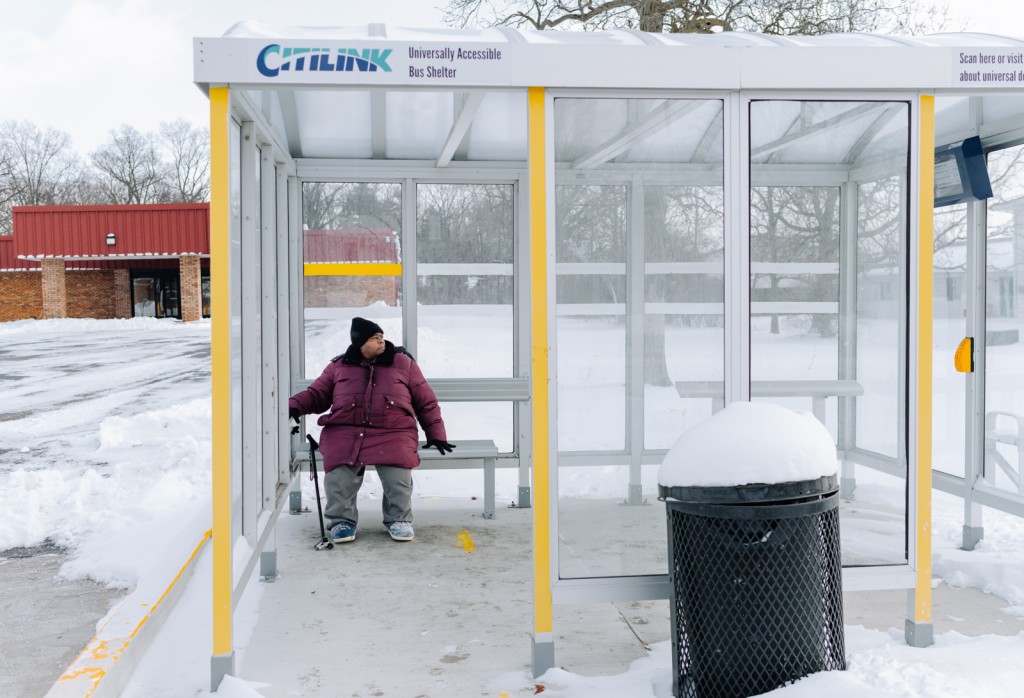
Marguerite Madison, a resident of Fort Wayne, faces daily challenges when using public transit due to mobility impairments caused by arthritis. Her experience highlights broader accessibility issues within the local transit system, Citilink, particularly for people with disabilities.
Context and Challenges
- In 2024, a community survey indicated that individuals with disabilities used Citilink services at twice their population share, reflecting a critical reliance on public transit.
- Despite a slight decrease in this ratio in 2025, significant barriers persist, including:
- Unplowed sidewalks and infrequent bus stops
- Lack of accessible information regarding bus schedules
- Insufficient seating and shelter at bus stops
- These challenges impede the achievement of SDG 10 (Reduced Inequalities) and SDG 11 (Sustainable Cities and Communities), which emphasize inclusive and accessible transport systems.
Innovative Solutions and Partnerships
In response to community feedback, Citilink collaborated with Urban Solar, a solar-device company, to pilot accessibility enhancements at two key locations serving people with disabilities: Turnstone and The League for the Blind and Disabled.
- Installation of Digital Accessibility Displays:
- Utilize high-contrast e-ink technology for clear timetable display.
- Include braille-labeled buttons that provide audio readouts of bus arrival times and destinations.
- Designed to be low-maintenance, vandal-resistant, and energy-efficient with a battery life of approximately five years.
- New Bus Shelters:
- Provide physical comfort and protection from weather conditions.
- Enhance the overall waiting experience for riders with mobility challenges.
These initiatives directly support SDG 9 (Industry, Innovation, and Infrastructure) by integrating innovative technology into public infrastructure and SDG 3 (Good Health and Well-being) by improving mobility for persons with disabilities.
Implementation and Impact Assessment
- Urban Solar facilitated rapid deployment, with each display installed in under 30 minutes, addressing workforce and budget constraints.
- Data collection includes:
- Frequency of audio button activations to gauge user engagement.
- Battery performance metrics to assess device longevity.
- Ridership statistics pre- and post-installation to evaluate impact on transit use.
- Citilink acknowledges that even if ridership does not increase, the accessibility features provide essential benefits aligned with SDG 10.
Remaining Challenges and Future Directions
Despite these advancements, several issues remain:
- Bus frequency is limited, with most buses arriving hourly, which can disproportionately affect riders with mobility impairments.
- Inconsistent snow removal on sidewalks creates additional barriers.
- Funding gaps limit the expansion of accessibility features and infrastructure improvements.
Citilink plans to pursue local funding and partnerships to continue enhancing accessibility, supported by organizations such as the WindSwell Foundation. This community-driven approach aligns with SDG 17 (Partnerships for the Goals), emphasizing collaborative efforts to achieve sustainable development.
Broader Implications for Sustainable Development
- Inclusive Transit Systems: Enhancing accessibility contributes to SDG 11 by promoting sustainable and inclusive urban transport.
- Health and Well-being: Improved transit access supports SDG 3 by enabling mobility and independence for individuals with disabilities.
- Innovation and Infrastructure: The use of solar-powered, low-energy digital displays exemplifies SDG 9 by integrating sustainable technologies.
- Reduced Inequalities: Addressing barriers in public transit promotes SDG 10 by ensuring equitable access for all community members.
- Community Engagement: Active involvement of residents and organizations fosters SDG 17, strengthening partnerships for sustainable solutions.
Conclusion
The pilot program for accessibility displays and new bus shelters in Fort Wayne demonstrates a proactive approach to improving public transit for people with disabilities. While challenges remain, these incremental improvements enhance the predictability and comfort of transit use, encouraging broader ridership and supporting multiple Sustainable Development Goals.
Marguerite Madison’s experience underscores the importance of continued innovation and community collaboration to create an inclusive transportation system that serves all residents effectively.
1. Sustainable Development Goals (SDGs) Addressed or Connected
-
SDG 3: Good Health and Well-being
- The article highlights challenges faced by people with disabilities, such as arthritis and mobility issues, emphasizing the importance of accessible transportation for health and well-being.
-
SDG 9: Industry, Innovation and Infrastructure
- The introduction of innovative, accessible digital displays at bus stops reflects efforts to build resilient infrastructure and promote inclusive industrialization.
-
SDG 10: Reduced Inequalities
- The article focuses on reducing barriers for people with disabilities to access public transit, promoting social inclusion and equality.
-
SDG 11: Sustainable Cities and Communities
- Efforts to improve public transit accessibility and infrastructure contribute to making cities inclusive, safe, resilient, and sustainable.
2. Specific Targets Under Those SDGs Identified
-
SDG 3: Good Health and Well-being
- Target 3.8: Achieve universal health coverage, including access to quality essential health-care services and access to safe, effective, quality, and affordable essential medicines and vaccines for all (implied through improved mobility and access to services).
-
SDG 9: Industry, Innovation and Infrastructure
- Target 9.1: Develop quality, reliable, sustainable, and resilient infrastructure, including regional and transborder infrastructure, to support economic development and human well-being.
- Target 9.5: Enhance scientific research, upgrade the technological capabilities of industrial sectors (including transport), particularly in developing countries.
-
SDG 10: Reduced Inequalities
- Target 10.2: Empower and promote the social, economic, and political inclusion of all, irrespective of age, sex, disability, race, ethnicity, origin, religion, or economic or other status.
-
SDG 11: Sustainable Cities and Communities
- Target 11.2: Provide access to safe, affordable, accessible, and sustainable transport systems for all, improving road safety, notably by expanding public transport.
- Target 11.3: Enhance inclusive and sustainable urbanization and capacity for participatory, integrated, and sustainable human settlement planning and management.
3. Indicators Mentioned or Implied to Measure Progress
-
Indicators Related to SDG 3
- Implied measurement of improved health outcomes through increased accessibility to transportation for people with disabilities.
-
Indicators Related to SDG 9
- Number of bus stops equipped with accessible digital displays and shelters.
- Usage data such as number of times the audio button is activated.
- Battery life and maintenance metrics of installed devices.
-
Indicators Related to SDG 10
- Ridership metrics showing increased use of public transit by people with disabilities.
- Community survey data on public transit usage by people with disabilities.
-
Indicators Related to SDG 11
- Frequency and number of bus stops accessible to people with disabilities.
- Ridership increase following installation of accessibility features.
- Availability and quality of bus shelters and sidewalk maintenance (e.g., snow removal).
- Real-time transit information availability and its impact on perceived wait times and ridership.
4. Table of SDGs, Targets, and Indicators
| SDGs | Targets | Indicators |
|---|---|---|
| SDG 3: Good Health and Well-being | Target 3.8: Achieve universal health coverage, including access to essential health services. | Implied improved health outcomes through better mobility and access to services for people with disabilities. |
| SDG 9: Industry, Innovation and Infrastructure |
|
|
| SDG 10: Reduced Inequalities | Target 10.2: Promote social, economic, and political inclusion of all, including persons with disabilities. |
|
| SDG 11: Sustainable Cities and Communities |
|
|
Source: inputfortwayne.com
What is Your Reaction?
 Like
1
Like
1
 Dislike
0
Dislike
0
 Love
0
Love
0
 Funny
0
Funny
0
 Angry
0
Angry
0
 Sad
0
Sad
0
 Wow
1
Wow
1