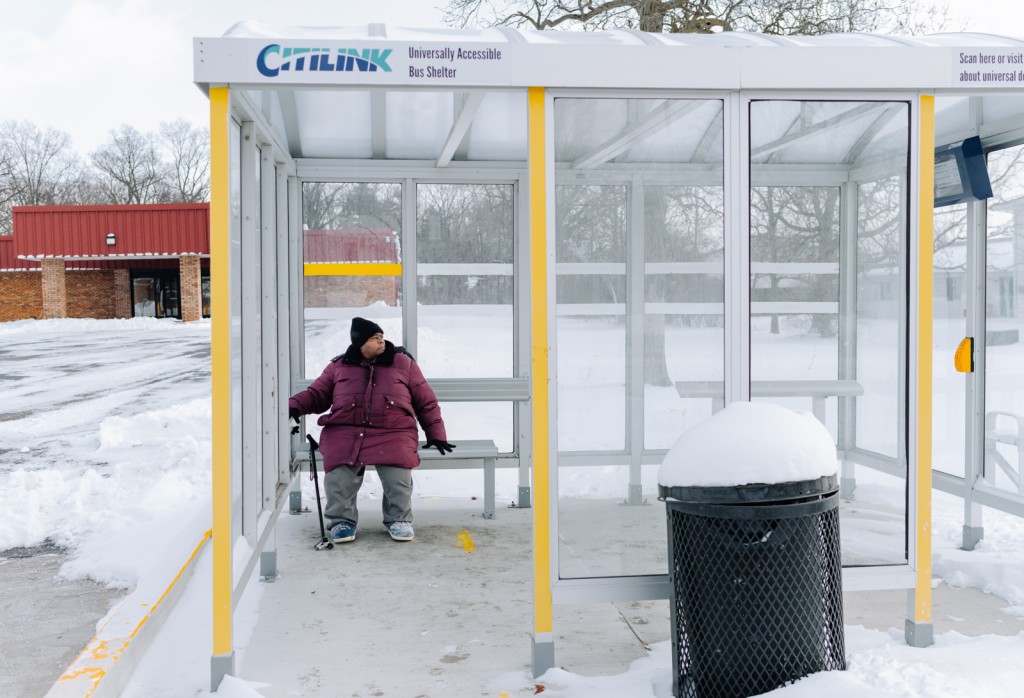
Alert Transportation Highlights Ongoing Commitment to Wheelchair-Accessible Transportation Options – recordonline.com

Report on Wheelchair-Accessible Transportation in the Greater New Orleans Area
Introduction
Accessible transportation is a vital service supporting individuals who rely on mobility accommodations for essential daily activities, including medical appointments and scheduled travel. In the Greater New Orleans Area, the availability of wheelchair-accessible vehicles is crucial for maintaining independence, continuity of care, and reliable mobility for passengers with physical limitations. This report emphasizes the alignment of these services with the United Nations Sustainable Development Goals (SDGs), particularly SDG 3 (Good Health and Well-being), SDG 10 (Reduced Inequalities), and SDG 11 (Sustainable Cities and Communities).
Fleet and Vehicle Accessibility
Alert Transportation operates a fleet featuring expanded wheelchair-accessible vehicle options designed to accommodate various mobility needs. These vehicles support:
- Manual and power wheelchair users
- Mobility scooter users
- Passengers with other assistive devices
The vehicles are designed to meet safety, comfort, and accessibility standards, incorporating:
- Ramps and lift systems for safe entry and exit
- Interior configurations allowing secure positioning
- Tie-down systems complying with established safety requirements
These features collectively reduce physical strain and minimize transfer risks, supporting SDG 3 by promoting health and well-being through safe transportation.
Importance of Consistent and Reliable Service
In the Greater New Orleans Area, wheelchair-accessible transportation is not an occasional convenience but a necessity for many individuals. It supports:
- Recurring medical appointments
- Rehabilitation sessions
- Dialysis treatments
- Long-term care visits
Reliable vehicle availability and service consistency are essential to maintaining appointment schedules and ongoing healthcare management, directly contributing to SDG 3 and SDG 10 by reducing inequalities in healthcare access.
Broader Passenger Support and Vehicle Design
Accessible transportation also benefits other groups, including seniors, post-surgery patients, and individuals with temporary mobility limitations. This inclusivity helps reduce travel barriers and promotes continuity during recovery or transition periods, aligning with SDG 10.
Key interior vehicle design elements enhancing passenger experience include:
- Adequate clearance and securement systems
- Stable ride conditions
- Climate control and visibility features
These factors ensure passenger comfort and well-being, particularly during longer trips or adverse weather conditions.
Driver Training and Service Delivery
Proper driver training is critical for accessible transportation quality. Training focuses on:
- Handling mobility equipment
- Securement procedures
- Passenger assistance techniques
Such training ensures safe, respectful service delivery, reduces delays, and facilitates smoother transport experiences for passengers and caregivers, supporting SDG 11 by fostering inclusive urban mobility.
Stakeholder Perspectives and Coordination
Milton Walker Jr., owner of Alert Transportation, emphasizes that accessible transportation is foundational rather than supplemental. He states:
“Reliable wheelchair-accessible transportation supports daily routines and essential care. Providing consistent access to properly equipped vehicles helps ensure that transportation does not become an obstacle to medical appointments or personal mobility.”
Coordination with healthcare providers, care facilities, and families is enhanced through predictable scheduling and vehicle readiness, reducing uncertainty and improving logistics for passengers dependent on timely transportation. This coordination supports SDG 3 and SDG 17 (Partnerships for the Goals).
Regulatory Compliance and Urban Infrastructure Challenges
Accessible transportation services adhere to regulatory standards and safety guidelines, including:
- Vehicle inspections
- Equipment maintenance
- Documentation practices
These measures ensure ongoing compliance and operational readiness, minimizing service disruptions.
Urban infrastructure challenges such as varied curb heights, parking constraints, and facility access points require adaptable vehicles and skilled drivers. Wheelchair-friendly vehicles designed for flexibility accommodate diverse pickup and drop-off locations, advancing SDG 11 by promoting sustainable and inclusive urban environments.
Conclusion
As mobility needs evolve, wheelchair-accessible transportation remains an essential service supporting healthcare access, independence, and quality of life in the Greater New Orleans Area. The continued operation of properly equipped vehicles and trained personnel reduces barriers and ensures consistent travel opportunities for passengers with mobility challenges.
Accessible transportation’s value lies in its reliability and continuity, underpinning daily mobility, healthcare coordination, and independence. These services contribute significantly to achieving the Sustainable Development Goals by fostering inclusive, safe, and sustainable transport systems.
Contact Information
Morgan Thomas
Rhino Digital, LLC
Phone: +1 504-875-5036
Email us here
Visit us on social media: Facebook
1. Sustainable Development Goals (SDGs) Addressed or Connected
- SDG 3: Good Health and Well-being
- The article emphasizes accessible transportation for medical appointments, rehabilitation, dialysis, and long-term care, supporting healthcare access and continuity.
- SDG 10: Reduced Inequalities
- Focus on wheelchair-accessible transportation reduces mobility barriers for people with disabilities, seniors, and those with temporary mobility limitations.
- SDG 11: Sustainable Cities and Communities
- Discussion on urban infrastructure adaptations and accessible vehicle design to accommodate diverse environments aligns with inclusive urban development.
2. Specific Targets Under Those SDGs
- SDG 3: Good Health and Well-being
- Target 3.8: Achieve universal health coverage, including access to quality essential health-care services and access to safe, effective, quality, and affordable essential medicines and vaccines for all. Accessible transportation supports access to healthcare services.
- Target 3.4: Reduce premature mortality from non-communicable diseases through prevention and treatment, which requires consistent access to medical care.
- SDG 10: Reduced Inequalities
- Target 10.2: Empower and promote the social, economic and political inclusion of all, irrespective of disability. Accessible transportation reduces barriers for persons with disabilities.
- SDG 11: Sustainable Cities and Communities
- Target 11.2: Provide access to safe, affordable, accessible and sustainable transport systems for all, improving road safety, notably by expanding public transport.
3. Indicators Mentioned or Implied to Measure Progress
- Indicator for SDG 3.8: Proportion of population with access to essential health services. The article implies this through the availability and reliability of wheelchair-accessible transportation facilitating healthcare access.
- Indicator for SDG 10.2: Proportion of people living with disabilities who have access to public transport. The article discusses the availability of wheelchair-friendly vehicles and trained drivers, implying measurement of accessibility coverage.
- Indicator for SDG 11.2: Proportion of population that has convenient access to public transport, including accessibility features. The article’s focus on vehicle design, urban infrastructure adaptation, and service reliability relates to this indicator.
- Additional implied indicators:
- Number or proportion of wheelchair-accessible vehicles in the fleet.
- Frequency and reliability of accessible transportation services.
- Driver training completion rates on accessibility protocols.
- Compliance with safety and accessibility regulatory standards.
4. Table of SDGs, Targets, and Indicators
| SDGs | Targets | Indicators |
|---|---|---|
| SDG 3: Good Health and Well-being |
|
|
| SDG 10: Reduced Inequalities |
|
|
| SDG 11: Sustainable Cities and Communities |
|
|
Source: recordonline.com
What is Your Reaction?
 Like
0
Like
0
 Dislike
0
Dislike
0
 Love
0
Love
0
 Funny
0
Funny
0
 Angry
0
Angry
0
 Sad
0
Sad
0
 Wow
0
Wow
0