

























































Iran’s internet blackout may become permanent, with access for elites only – Rest of World
Report on Iran’s Communications Blackout and Its Impact on Sustainable Development Goals (SDGs)
Overview of the Communications Blackout
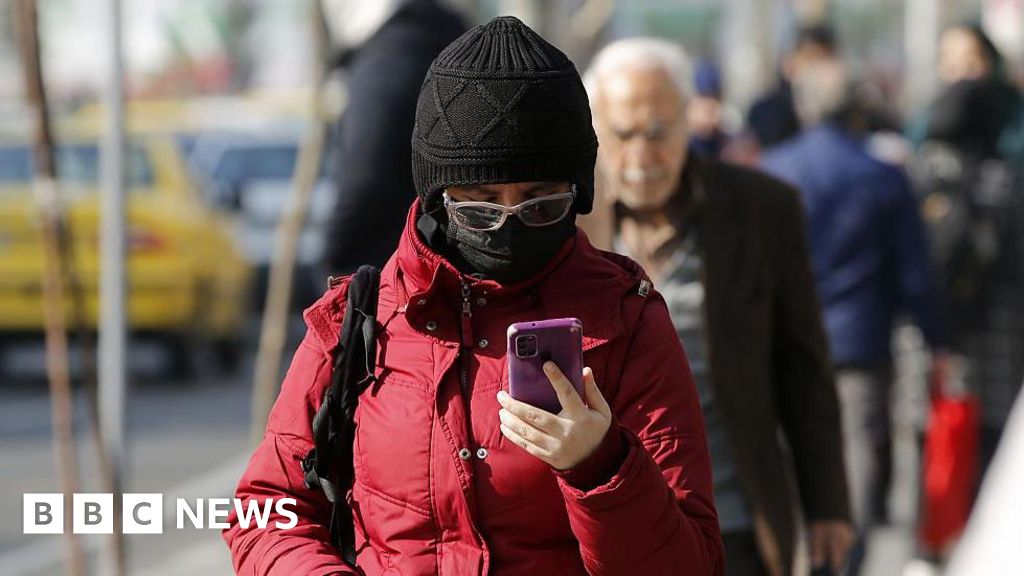
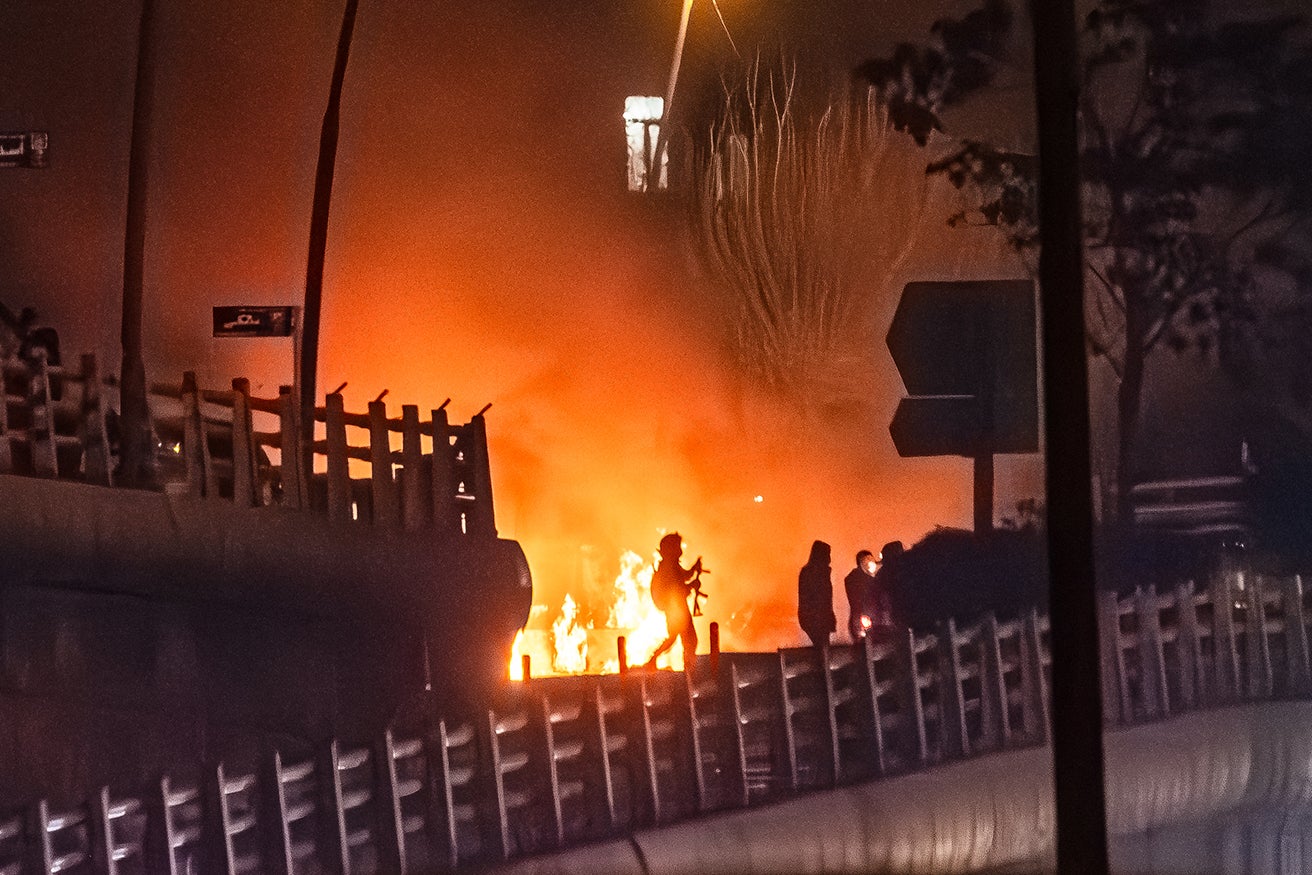
Iran’s near-total communications blackout has persisted for 16 days, marking a significant shift in the country’s digital landscape. Following a repressive crackdown on protests, the Iranian government is implementing a system that restricts web access exclusively to security-vetted elites, effectively confining approximately 90 million citizens to a national intranet.
Government Strategy and Internet Architecture
Government spokesperson Fatemeh Mohajerani confirmed that international internet access will not be restored until at least late March 2026. According to Filterwatch, an organization monitoring Iranian internet censorship, the government has declared that access will “never return to its previous form.”
This new system, referred to as “Barracks Internet,” is designed to grant global web access only through a strict security whitelist, creating a tiered internet access model. This approach is unprecedented as Iran attempts to isolate an already connected economy, unlike other authoritarian states that built internet walls before widespread connectivity.
Implications for Human Rights and Digital Inclusion (SDG 9, SDG 16)
- Freedom of Expression: The regime’s objective is to prevent Iranians from sharing their own narratives and documenting crimes, severely restricting freedom of expression (SDG 16: Peace, Justice, and Strong Institutions).
- Digital Rights: The tiered internet access system limits digital inclusion and access to information, undermining efforts to build resilient infrastructure and foster innovation (SDG 9: Industry, Innovation, and Infrastructure).
Economic Impact and Livelihoods (SDG 8)
The blackout has inflicted substantial economic damage:
- Daily economic losses are estimated between $4.3 million (official) and over $37 million (independent estimates).
- More than 10 million Iranians who rely on digital platforms for their livelihoods face severe disruptions.
- Private companies, such as Tipax, have experienced drastic reductions in operations, processing only a fraction of their usual shipments.
- Telecom sector instability is evident with the firing of Irancell’s CEO for non-compliance and the withdrawal of foreign telecom partners, signaling a decline in international cooperation.
These developments hinder sustained economic growth and decent work opportunities (SDG 8: Decent Work and Economic Growth).
Technological and Infrastructure Challenges (SDG 9)
- Experts doubt the regime’s ability to maintain the Barracks Internet system without causing further economic damage.
- The blackout is described as the most sophisticated and severe in Iran’s history, with only about 3% connectivity remaining, primarily for government use.
- The attempt to create a “digital airlock” is unprecedented and unlikely to fully contain a modern digital economy.
Resistance and Alternative Connectivity Solutions
Activists have smuggled approximately 50,000 Starlink satellite terminals into Iran since 2022, supported by exemptions from sanctions and free service provision by SpaceX. Despite government efforts to jam and disable some connections, many remain operational, although vulnerable to signal interference.
Conclusion and Recommendations for Sustainable Development
- Revolutionizing Internet Access: There is a critical need to develop innovative solutions that ensure unrestricted and equitable internet access, supporting SDG 9 and SDG 16.
- Protecting Digital Rights: Efforts must focus on safeguarding freedom of expression and access to information to promote peace, justice, and strong institutions (SDG 16).
- Supporting Economic Resilience: Mitigating the economic fallout from internet restrictions is essential to sustain decent work and economic growth (SDG 8).
Overall, Iran’s communications blackout poses significant challenges to multiple Sustainable Development Goals, underscoring the urgent need for international attention and innovative digital rights advocacy.
1. Sustainable Development Goals (SDGs) Addressed or Connected
- SDG 9: Industry, Innovation and Infrastructure
- Related to the development and control of internet infrastructure in Iran (Barracks Internet, intranet systems).
- SDG 8: Decent Work and Economic Growth
- Economic impact of internet shutdown on businesses and livelihoods of over 10 million Iranians.
- SDG 16: Peace, Justice and Strong Institutions
- Issues of digital rights, freedom of expression, government repression, censorship, and access to information.
- SDG 10: Reduced Inequalities
- Tiered internet access creating inequality between elites and the general population.
2. Specific Targets Under Those SDGs Identified
- SDG 9: Industry, Innovation and Infrastructure
- Target 9.c: Significantly increase access to information and communications technology and strive to provide universal and affordable access to the Internet in least developed countries by 2020 (implied by the issue of restricted internet access).
- SDG 8: Decent Work and Economic Growth
- Target 8.3: Promote development-oriented policies that support productive activities, decent job creation, entrepreneurship, creativity and innovation (affected by internet shutdown impacting businesses and jobs).
- Target 8.5: Achieve full and productive employment and decent work for all women and men (implied by livelihood disruptions).
- SDG 16: Peace, Justice and Strong Institutions
- Target 16.10: Ensure public access to information and protect fundamental freedoms, in accordance with national legislation and international agreements (directly related to censorship and internet restrictions).
- SDG 10: Reduced Inequalities
- Target 10.2: Empower and promote the social, economic and political inclusion of all (related to internet access inequality).
3. Indicators Mentioned or Implied to Measure Progress
- Connectivity and Access Indicators
- Percentage of population with internet access (implied by the 90 million citizens locked inside an intranet and only 3% connectivity persisting).
- Number of people with unrestricted global internet access (e.g., 16,000 with white SIM cards).
- Economic Impact Indicators
- Daily economic losses due to internet shutdown (estimated $4.3 million to $37 million daily).
- Number of shipments processed by delivery companies (Tipax’s drop from 320,000 to a few hundred shipments).
- Number of people dependent on digital platforms for livelihoods (over 10 million).
- Freedom of Expression and Information Indicators
- Extent of internet censorship and restrictions (e.g., duration of blackout, blocking of platforms like X, jamming of Starlink terminals).
- Number of activists or citizens able to circumvent restrictions (e.g., 50,000 Starlink terminals smuggled in).
- Institutional and Governance Indicators
- Changes in leadership or compliance within telecom companies (e.g., firing of Irancell’s CEO for non-compliance).
- Level of international cooperation in telecom infrastructure (departure of foreign partners).
4. Table of SDGs, Targets and Indicators
| SDGs | Targets | Indicators |
|---|---|---|
| SDG 9: Industry, Innovation and Infrastructure | Target 9.c: Increase access to ICT and strive for universal, affordable internet access |
|
| SDG 8: Decent Work and Economic Growth |
|
|
| SDG 16: Peace, Justice and Strong Institutions | Target 16.10: Ensure public access to information and protect fundamental freedoms |
|
| SDG 10: Reduced Inequalities | Target 10.2: Empower and promote social, economic and political inclusion of all |
|
Source: restofworld.org
What is Your Reaction?
 Like
0
Like
0
 Dislike
0
Dislike
0
 Love
0
Love
0
 Funny
0
Funny
0
 Angry
0
Angry
0
 Sad
0
Sad
0
 Wow
0
Wow
0