
















































Common nutrient turns our guts into diabetes-fighting chemical factories – New Atlas
Microbial Molecule Offers New Hope for Diabetes Management Aligned with Sustainable Development Goals
Introduction
Recent scientific advancements emphasize the critical role of the human gut microbiome in combating diseases, particularly diabetes. Researchers have identified that a common nutrient in food stimulates gut microbes to produce compounds that regulate insulin, offering promising avenues for disease prevention and treatment. This breakthrough aligns with several Sustainable Development Goals (SDGs), including Good Health and Well-being (SDG 3) and Responsible Consumption and Production (SDG 12).
Background and Scientific Focus
Traditional medical approaches have focused on external treatments for diseases. However, emerging research is shifting towards leveraging the body’s own microbiome to generate therapeutic compounds. Earlier studies demonstrated that certain antibiotics could induce gut microbes in mice to produce life-extending compounds, highlighting the microbiome’s therapeutic potential.
Key Findings on Gut Microbes and Insulin Regulation
- Impact of High-Fat Diets: Consistent consumption of high-fat diets triggers chronic inflammation through hormonal disruption, immune signaling, and cellular stress. This inflammation leads to insulin resistance, a precursor to type 2 diabetes, characterized by impaired glucose metabolism.
- Role of IRAK4 Protein: The immune protein IRAK4 acts as an alarm in response to high-fat diets, promoting inflammation. Prolonged IRAK4 activation contributes to insulin resistance and diabetes development.
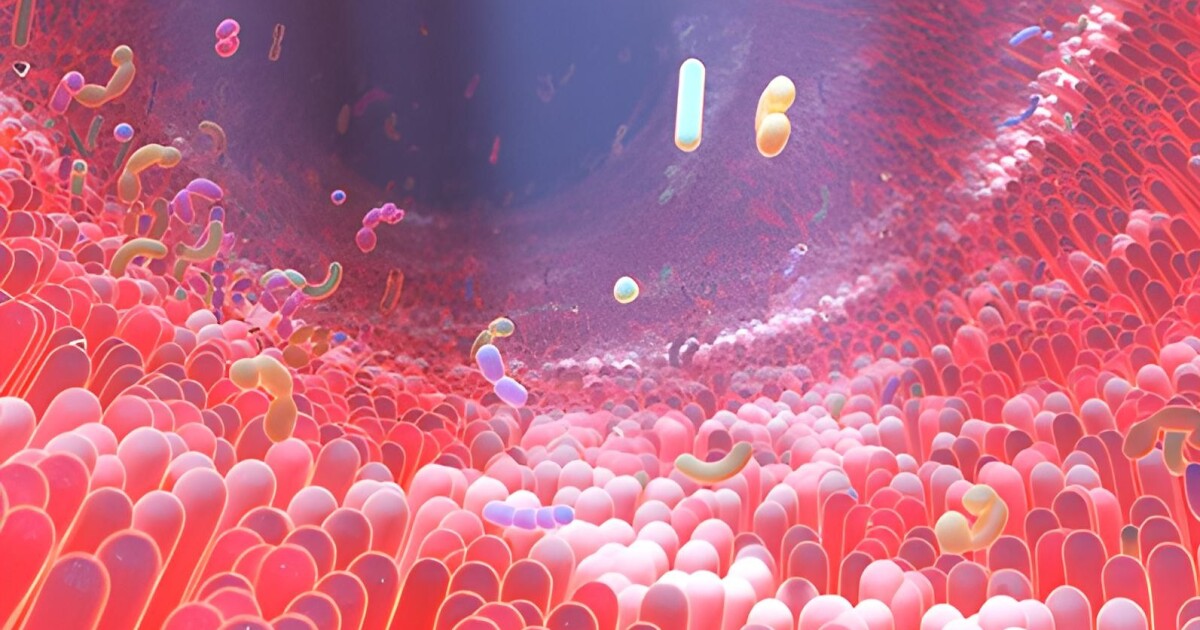
- Choline and Microbial Metabolism: The nutrient choline, abundant in eggs, organ meats, fish, dairy, and various meats, is metabolized by gut microbes into trimethylamine (TMA). TMA binds to IRAK4, inhibiting its activity, reducing inflammation, and restoring insulin sensitivity.
Implications for Diabetes Treatment and Prevention
- Dietary choline intake can positively influence insulin sensitivity through microbiome-mediated mechanisms.
- Pharmacological or genetic inhibition of IRAK4 replicates the beneficial effects on insulin resistance, suggesting new therapeutic targets.
- These findings propose innovative strategies for managing diabetes induced by high-fat diets, either via dietary modifications or novel medications.
Alignment with Sustainable Development Goals
- SDG 3 – Good Health and Well-being: The research contributes to combating non-communicable diseases such as diabetes, improving health outcomes and reducing the global disease burden.
- SDG 2 – Zero Hunger: Understanding nutrient-microbiome interactions supports nutritional strategies that promote metabolic health.
- SDG 12 – Responsible Consumption and Production: Encouraging diets rich in beneficial nutrients like choline promotes sustainable food consumption patterns that support health.
- SDG 9 – Industry, Innovation, and Infrastructure: The discovery opens pathways for innovative pharmaceutical development targeting microbiome-related mechanisms.
Expert Commentary
Lead author Marc-Emmanuel Dumas from Imperial College London stated, “We’ve shown that a molecule from our gut microbes can actually protect against the harmful effects of a poor diet through a new mechanism. It’s a new way of thinking about how the microbiome influences our health.”
Co-author Peter Liu from the University of Ottawa Heart Institute emphasized the urgency of new solutions: “In view of the growing threat of diabetes worldwide and its devastating complications for the whole patient, including the brain and heart, a new solution is direly needed. Our team’s work connecting Western-style foods, TMA produced by the microbiome, and its effect on the immune switch IRAK4, may open entirely new ways to treat or prevent diabetes, a known risk factor for heart disease.”
Conclusion
This research, published in Nature Metabolism, highlights the transformative potential of microbiome-targeted interventions in diabetes care. By integrating dietary strategies and innovative therapies, it supports global health objectives and sustainable development priorities.
References
1. Sustainable Development Goals (SDGs) Addressed or Connected
- SDG 3: Good Health and Well-being
- The article focuses on diabetes prevention and treatment, which directly relates to ensuring healthy lives and promoting well-being for all ages.
- SDG 2: Zero Hunger
- Discussion of dietary nutrients such as choline and their role in health connects to nutrition and food security.
- SDG 9: Industry, Innovation and Infrastructure
- The research on microbiome therapies and new medical treatments reflects innovation in health sciences.
2. Specific Targets Under Those SDGs Identified
- SDG 3: Good Health and Well-being
- Target 3.4: By 2030, reduce by one third premature mortality from non-communicable diseases through prevention and treatment.
- Target 3.8: Achieve universal health coverage, including access to quality essential health-care services and medicines.
- SDG 2: Zero Hunger
- Target 2.2: By 2030, end all forms of malnutrition, including achieving targets on stunted and wasted children and addressing nutritional needs of vulnerable populations.
- SDG 9: Industry, Innovation and Infrastructure
- Target 9.5: Enhance scientific research and upgrade the technological capabilities of health-related industries.
3. Indicators Mentioned or Implied to Measure Progress
- For SDG 3 Targets:
- Prevalence of diabetes and insulin resistance in populations.
- Incidence rates of type 2 diabetes related to diet and inflammation.
- Access to new treatments or therapies targeting diabetes and inflammation.
- For SDG 2 Targets:
- Levels of dietary nutrient intake such as choline in populations.
- Prevalence of malnutrition or nutrient deficiencies affecting metabolic health.
- For SDG 9 Targets:
- Number of research studies and innovations in microbiome-related therapies.
- Development and approval of new medications targeting immune pathways like IRAK4.
4. Table of SDGs, Targets, and Indicators
| SDGs | Targets | Indicators |
|---|---|---|
| SDG 3: Good Health and Well-being |
|
|
| SDG 2: Zero Hunger |
|
|
| SDG 9: Industry, Innovation and Infrastructure |
|
|
Source: newatlas.com
What is Your Reaction?
 Like
0
Like
0
 Dislike
0
Dislike
0
 Love
0
Love
0
 Funny
0
Funny
0
 Angry
0
Angry
0
 Sad
0
Sad
0
 Wow
0
Wow
0