County Campaign Highlights Safety Of County Drinking Water – Osprey Observer

Hillsborough County Water Resources: Ensuring Safe and Sustainable Drinking Water
Introduction to the Quality on Tap Initiative
Hillsborough County Water Resources has launched the ongoing “Quality on Tap” public awareness campaign to educate residents about the science and infrastructure behind their local drinking water. This initiative aligns with the United Nations Sustainable Development Goals (SDGs), particularly SDG 6: Clean Water and Sanitation, by promoting transparency and public knowledge about water quality and safety.
Water Supply and Quality Assurance
The department supplies over 73 million gallons of drinking water daily to more than 725,000 residents in unincorporated Hillsborough County. All water undergoes rigorous treatment and monitoring processes to meet or exceed state and federal standards, ensuring safety and reliability throughout the year.
- In 2024, more than 7,600 water samples were collected.
- Over 33,500 laboratory tests were conducted by county staff.
- Additional quality control tests were performed by the county’s certified environmental laboratory.
These efforts support SDG 3: Good Health and Well-being, by safeguarding public health through clean and safe drinking water.
Affordability and Environmental Responsibility
Tap water in Hillsborough County remains an affordable resource at approximately $4.10 per 1,000 gallons, significantly less costly than bottled water. This affordability supports SDG 1: No Poverty, by providing accessible essential services. Moreover, choosing tap water over bottled alternatives contributes to SDG 12: Responsible Consumption and Production, reducing plastic waste and environmental impact.
Infrastructure and Operations
Hillsborough County Water Resources manages an extensive infrastructure system including:
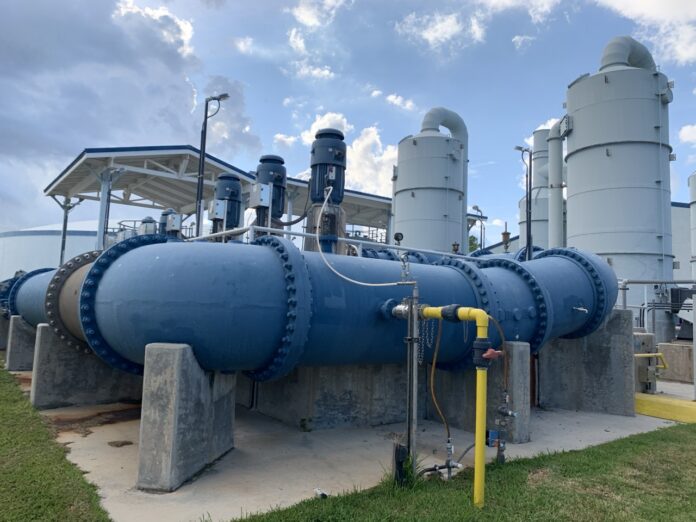
- Four water treatment plants
- Five wastewater treatment plants
- A bio-solids facility
- Multiple field support locations
Trained water professionals operate the system 24/7 to maintain infrastructure integrity, protect public health, and ensure long-term water reliability for the region’s growing population. These operations contribute to SDG 9: Industry, Innovation, and Infrastructure.
Regional Collaboration and Future Developments
Tampa Bay Water serves as the regional wholesale supplier for Hillsborough, Pinellas, and Pasco counties. Hillsborough County Water Resources is responsible for treating, testing, and delivering water directly to residents. A major pipeline expansion in Southern Hillsborough County, led by Tampa Bay Water, will increase capacity by up to 65 million gallons per day to support population growth. This project, expected to complete by 2028, reflects commitment to SDG 11: Sustainable Cities and Communities.
Community Water Systems and Reporting
The county operates 11 community public water systems, each providing annual water quality reports. The 2024 reports, published in 2025, include comprehensive testing results and comply with U.S. Environmental Protection Agency regulations monitoring over 80 contaminants. Residents can:
- Use the county’s online lookup tool to identify their water system
- Request printed reports by calling 813-246-3146
This transparency supports SDG 16: Peace, Justice, and Strong Institutions by fostering accountability and informed community engagement.
1. Sustainable Development Goals (SDGs) Addressed or Connected
- SDG 6: Clean Water and Sanitation
- The article focuses on the provision, treatment, and monitoring of safe drinking water to residents, which directly relates to ensuring availability and sustainable management of water and sanitation for all.
- SDG 3: Good Health and Well-being
- Ensuring safe drinking water contributes to reducing waterborne diseases and promoting health, aligning with the goal of ensuring healthy lives and promoting well-being.
- SDG 11: Sustainable Cities and Communities
- The infrastructure maintenance and expansion projects mentioned support sustainable urban development and resilient infrastructure.
- SDG 12: Responsible Consumption and Production
- The emphasis on affordable tap water as an environmentally responsible choice over bottled water relates to sustainable consumption patterns.
2. Specific Targets Under the Identified SDGs
- SDG 6: Clean Water and Sanitation
- Target 6.1: Achieve universal and equitable access to safe and affordable drinking water for all.
- Target 6.3: Improve water quality by reducing pollution and minimizing the release of hazardous chemicals.
- Target 6.a: Expand international cooperation and capacity-building support to developing countries in water- and sanitation-related activities.
- SDG 3: Good Health and Well-being
- Target 3.9: Reduce the number of deaths and illnesses from hazardous chemicals and air, water, and soil pollution and contamination.
- SDG 11: Sustainable Cities and Communities
- Target 11.6: Reduce the adverse per capita environmental impact of cities, including by paying special attention to air quality and municipal and other waste management.
- SDG 12: Responsible Consumption and Production
- Target 12.4: Achieve environmentally sound management of chemicals and all wastes throughout their life cycle.
- Target 12.8: Ensure that people have the relevant information and awareness for sustainable development and lifestyles in harmony with nature.
3. Indicators Mentioned or Implied in the Article
- Water Quality Testing and Monitoring Indicators
- Number of water samples collected (7,600+ samples in 2024).
- Number of laboratory tests conducted (33,500+ tests in 2024 plus additional tests by certified environmental laboratories).
- Compliance with state and federal water quality standards, including monitoring for over 80 regulated contaminants as mandated by the U.S. Environmental Protection Agency.
- Access and Affordability Indicators
- Volume of drinking water provided daily (over 73 million gallons to 725,000 residents).
- Cost of water per 1,000 gallons (approximately $4.10), indicating affordability.
- Infrastructure and Service Coverage Indicators
- Number of water treatment plants (4) and wastewater treatment plants (5) operated.
- Number of community public water systems (11) and availability of annual water quality reports.
- Pipeline expansion project capacity (up to 65 million gallons per day) to support population growth.
4. Table: SDGs, Targets and Indicators
| SDGs | Targets | Indicators |
|---|---|---|
| SDG 6: Clean Water and Sanitation |
|
|
| SDG 3: Good Health and Well-being |
|
|
| SDG 11: Sustainable Cities and Communities |
|
|
| SDG 12: Responsible Consumption and Production |
|
|
Source: ospreyobserver.com
What is Your Reaction?
 Like
0
Like
0
 Dislike
0
Dislike
0
 Love
0
Love
0
 Funny
0
Funny
0
 Angry
0
Angry
0
 Sad
0
Sad
0
 Wow
0
Wow
0