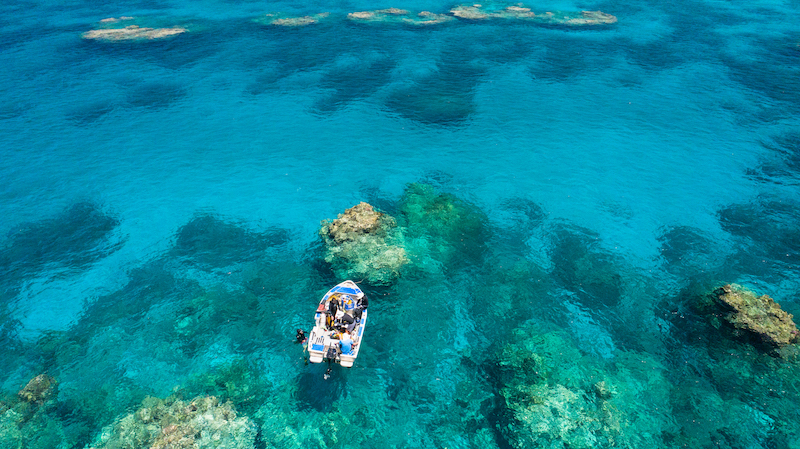


























































Crown-of-thorns outbreak developing in northern Great Barrier Reef – DIVE Magazine
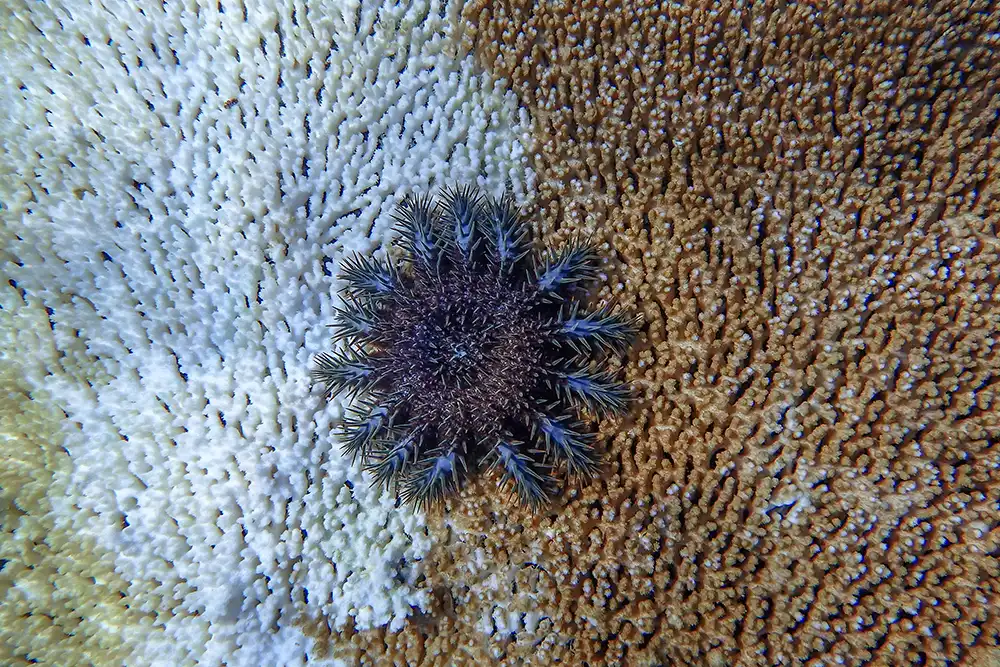
Report on the Emerging Crown-of-Thorns Starfish Outbreak on the Great Barrier Reef
Introduction
Scientists have identified an emerging outbreak of crown-of-thorns starfish (COTs) on the Great Barrier Reef, which poses a significant threat to the reef’s health and biodiversity. Early containment is critical to prevent this outbreak from becoming one of the most severe in decades. This report emphasizes the importance of addressing this issue in alignment with the United Nations Sustainable Development Goals (SDGs), particularly SDG 14: Life Below Water.
Background on Crown-of-Thorns Starfish
- Species: Acanthaster cf solaris, native to the Great Barrier Reef and Indo-Pacific region.
- Ecological Role: Corallivores that maintain reef ecosystem balance at natural densities below one starfish per hectare.
- Outbreak Impact: Population explosions lead to coral consumption rates exceeding reef recovery, causing severe coral loss.
Current Outbreak Status
- Outbreak detected along a 240-kilometre stretch between Cairns and Lizard Island.
- Starfish densities exceeding 10 to 15 per hectare define outbreak conditions.
- Four major outbreaks documented since the 1960s; the latest began in 2010 and is ongoing.
- Current observations indicate early stages of a new outbreak, prompting intensified monitoring.
Management and Control Efforts
- Monitoring: Enhanced surveillance by the Great Barrier Reef Marine Park Authority (GBRMPA) and the Australian Institute of Marine Science (AIMS).
- Control Program: The Crown-of-thorns Starfish Control Program employs trained divers to manually remove or inject starfish with environmentally safe substances such as vinegar or cow bile.
- Tourism Sector Involvement: The Tourism Reef Protection Initiative (TRPI) engages dive operators and tourism professionals in monitoring and culling efforts.
Environmental and Socioeconomic Implications
- Coral Reef Health: Outbreaks cause widespread coral mortality, threatening biodiversity and ecosystem services.
- Tourism Impact: The affected reef area is vital for scuba diving tourism, supporting local economies and employment.
- Community and Industry Collaboration: Partnerships between government, science, and tourism sectors exemplify integrated approaches to sustainable reef management.
Alignment with Sustainable Development Goals (SDGs)
- SDG 14 – Life Below Water: Protecting marine ecosystems by controlling COTs outbreaks supports the conservation and sustainable use of oceans, seas, and marine resources.
- SDG 13 – Climate Action: Healthy coral reefs enhance resilience to climate change impacts.
- SDG 8 – Decent Work and Economic Growth: Sustaining reef health safeguards tourism-related jobs and economic benefits for coastal communities.
- SDG 17 – Partnerships for the Goals: The collaboration among government agencies, scientists, and tourism operators demonstrates effective multi-stakeholder partnerships.
Conclusion
The emerging crown-of-thorns starfish outbreak on the Great Barrier Reef represents a critical environmental challenge with direct implications for biodiversity, climate resilience, and sustainable economic development. Continued and enhanced efforts in monitoring, control, and stakeholder collaboration are essential to mitigate this threat and advance the achievement of the Sustainable Development Goals.
1. Sustainable Development Goals (SDGs) Addressed or Connected
- SDG 14: Life Below Water
- The article focuses on the outbreak of crown-of-thorns starfish (COTs) on the Great Barrier Reef, which directly impacts marine biodiversity and ecosystem health.
- It highlights coral reef degradation and the efforts to manage and protect marine life.
- SDG 13: Climate Action
- While not explicitly mentioned, the health of coral reefs is closely linked to climate change impacts such as ocean warming and acidification, which exacerbate outbreaks and reef vulnerability.
- SDG 8: Decent Work and Economic Growth
- The article discusses the importance of the reef for tourism and local communities, emphasizing jobs and economic sustainability related to reef health.
- SDG 17: Partnerships for the Goals
- The article describes collaboration between government agencies, scientists, and tourism operators to manage the outbreak and protect the reef.
2. Specific Targets Under Those SDGs Identified
- SDG 14: Life Below Water
- Target 14.2: Sustainably manage and protect marine and coastal ecosystems to avoid significant adverse impacts, including coral reefs.
- Target 14.5: Conserve at least 10% of coastal and marine areas, which relates to the Great Barrier Reef Marine Park Authority’s efforts.
- SDG 13: Climate Action
- Target 13.1: Strengthen resilience and adaptive capacity to climate-related hazards and natural disasters, relevant to managing outbreaks exacerbated by environmental changes.
- SDG 8: Decent Work and Economic Growth
- Target 8.9: Promote sustainable tourism that creates jobs and promotes local culture and products, as seen in the tourism sector’s involvement in reef protection.
- SDG 17: Partnerships for the Goals
- Target 17.17: Encourage and promote effective public, public-private, and civil society partnerships, demonstrated by the cooperation between scientists, government, and tourism operators.
3. Indicators Mentioned or Implied to Measure Progress
- SDG 14 Indicators
- Indicator 14.2.1: Proportion of national exclusive economic zones managed using ecosystem-based approaches — implied through GBRMPA’s monitoring and control programs.
- Indicator related to coral cover and health — implied by monitoring coral loss and starfish densities per hectare.
- SDG 8 Indicators
- Indicators measuring sustainable tourism employment and economic benefits — implied by the role of tourism operators in reef protection and the importance of the reef for tourism jobs.
- SDG 17 Indicators
- Indicators tracking multi-stakeholder partnerships and collaboration effectiveness — implied by the description of joint efforts in monitoring and controlling the outbreak.
4. Table of SDGs, Targets, and Indicators
| SDGs | Targets | Indicators |
|---|---|---|
| SDG 14: Life Below Water |
|
|
| SDG 13: Climate Action |
|
|
| SDG 8: Decent Work and Economic Growth |
|
|
| SDG 17: Partnerships for the Goals |
|
|
Source: divemagazine.com
What is Your Reaction?
 Like
1
Like
1
 Dislike
0
Dislike
0
 Love
0
Love
0
 Funny
0
Funny
0
 Angry
0
Angry
0
 Sad
0
Sad
0
 Wow
1
Wow
1