
















Delhi air pollution: India imposes new measures as AQI worsens – BBC
Report on Air Quality Crisis in Delhi and Surrounding Areas
Overview of the Situation
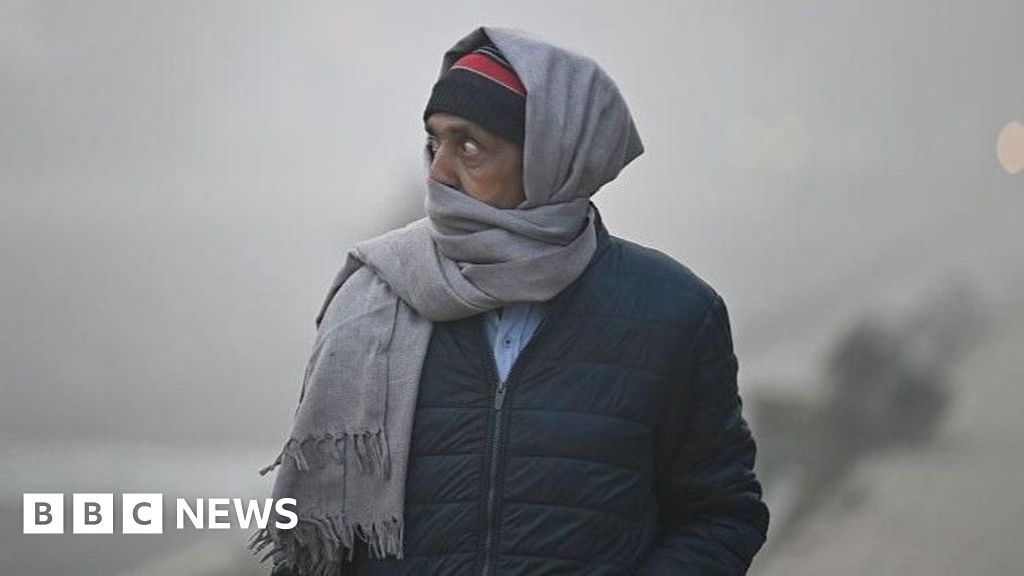
Delhi and its neighboring regions have recently experienced a severe deterioration in air quality, prompting authorities to move school classes online and impose a ban on construction activities. On Monday morning, a toxic haze enveloped the city, significantly reducing visibility and causing delays in flights and train services.
The Air Quality Index (AQI) in Delhi reached alarming levels, measuring more than 30 times the World Health Organization’s recommended limit for PM2.5 — fine particulate matter harmful to respiratory health. This hazardous pollution level poses serious health risks, particularly to children and the elderly.
Factors Contributing to Poor Air Quality
The recurring air pollution problem in Delhi, especially during winter months, is attributed to multiple factors:
- Industrial emissions
- Vehicle exhaust
- Dropping temperatures and low wind speeds
- Seasonal burning of crop stubble in neighboring states
On Monday, the average AQI was recorded at 471 according to the government’s Safar app, categorizing the air quality as “severe” based on India’s pollution classification system.
Government Response and Measures
In response to the crisis, India’s Commission for Air Quality Management (CAQM) escalated its graded response action plan (GRAP) to the highest level (Level IV) on Sunday. Key interventions include:
- Banning older diesel trucks from entering Delhi
- Halting all construction activities
- Mandating schools to switch to hybrid or fully online classes, especially for younger children
- Advising legal professionals and litigants to attend court hearings virtually
The CAQM attributed the sudden worsening of air quality to increased moisture and a shift in wind direction, which reduced pollutant dispersion and promoted smog formation.
Health Implications and Public Advisory
Authorities have issued warnings urging residents, particularly vulnerable groups such as children and individuals with heart or respiratory conditions, to remain indoors and wear masks when outside. Prolonged exposure to severe AQI levels can cause respiratory issues even in healthy individuals.
Between 2022 and 2024, over 200,000 cases of acute respiratory illnesses were reported in six state-run hospitals in Delhi, underscoring the public health impact of persistent air pollution.
Alignment with Sustainable Development Goals (SDGs)
This air quality crisis directly relates to several United Nations Sustainable Development Goals, emphasizing the need for integrated and sustainable solutions:
- SDG 3: Good Health and Well-being – Reducing air pollution is critical to preventing respiratory and cardiovascular diseases and ensuring healthy lives.
- SDG 11: Sustainable Cities and Communities – Improving urban air quality through better transportation policies and industrial regulation supports sustainable urban development.
- SDG 13: Climate Action – Addressing sources of pollution, including crop burning and fossil fuel emissions, contributes to climate change mitigation.
- SDG 4: Quality Education – Transitioning to online and hybrid learning models during pollution episodes ensures continued access to education while protecting children’s health.
Conclusion
The severe air pollution episode in Delhi highlights the urgent need for coordinated actions aligned with the Sustainable Development Goals to protect public health, promote sustainable urban environments, and combat climate change. Continued monitoring, public awareness, and enforcement of pollution control measures remain essential to mitigate the impact of hazardous air quality on the population.
1. Sustainable Development Goals (SDGs) Addressed or Connected
- SDG 3: Good Health and Well-being
- The article highlights serious health problems caused by hazardous air quality, particularly respiratory illnesses among children, elderly, and people with heart or respiratory conditions.
- SDG 11: Sustainable Cities and Communities
- The focus on air pollution in Delhi and the measures taken to reduce emissions (e.g., banning construction, restricting diesel trucks) relate to making cities safer and more sustainable.
- SDG 13: Climate Action
- The article discusses pollution sources such as industrial emissions, vehicle exhaust, and crop stubble burning, which contribute to climate change and air quality degradation.
- SDG 4: Quality Education
- Switching schools to online or hybrid classes due to air pollution impacts education delivery.
2. Specific Targets Under Identified SDGs
- SDG 3: Good Health and Well-being
- Target 3.9: By 2030, substantially reduce the number of deaths and illnesses from hazardous chemicals and air, water, and soil pollution and contamination.
- SDG 11: Sustainable Cities and Communities
- Target 11.6: By 2030, reduce the adverse per capita environmental impact of cities, including by paying special attention to air quality and municipal and other waste management.
- SDG 13: Climate Action
- Target 13.2: Integrate climate change measures into national policies, strategies, and planning.
- SDG 4: Quality Education
- Target 4.3: By 2030, ensure equal access for all women and men to affordable and quality technical, vocational and tertiary education, including university (implied by adaptation to online learning).
3. Indicators Mentioned or Implied to Measure Progress
- Air Quality Index (AQI)
- The article mentions AQI values, particularly PM2.5 levels, as a key indicator of air pollution severity.
- Health Statistics
- Number of acute respiratory illness cases recorded in hospitals (over 200,000 cases between 2022 and 2024) serves as an indicator of health impact from air pollution.
- Implementation of Graded Response Action Plan (GRAP) Levels
- Levels of GRAP invoked (e.g., level IV) indicate the severity of pollution and government response measures.
- Education Access Metrics
- Shift to online/hybrid schooling can be monitored as an indicator of education system adaptation to environmental challenges.
4. Table of SDGs, Targets and Indicators
| SDGs | Targets | Indicators |
|---|---|---|
| SDG 3: Good Health and Well-being | Target 3.9: Reduce deaths and illnesses from hazardous air pollution. |
|
| SDG 11: Sustainable Cities and Communities | Target 11.6: Reduce environmental impact of cities including air quality. |
|
| SDG 13: Climate Action | Target 13.2: Integrate climate change measures into policies and planning. |
|
| SDG 4: Quality Education | Target 4.3: Ensure access to quality education (including adaptation to online learning). |
|
Source: bbc.com
What is Your Reaction?
 Like
0
Like
0
 Dislike
0
Dislike
0
 Love
0
Love
0
 Funny
0
Funny
0
 Angry
0
Angry
0
 Sad
0
Sad
0
 Wow
0
Wow
0