Egypt Reaches New Heights In 2025 Tourism, Welcoming Over Fifteen Million Tourists And Fueling Economic Growth With Monumental Twenty One Percent Increase, Driven By Historic Cultural Landmarks – Travel And Tour World
Report on Egypt’s Tourism Sector Performance and Alignment with Sustainable Development Goals (2025)
This report details the significant growth of Egypt’s tourism sector in 2025, analyzing key performance indicators, growth drivers, and the sector’s contribution to the United Nations Sustainable Development Goals (SDGs).
1.0 Executive Summary: Tourism Growth and Economic Contribution
Egypt’s tourism industry demonstrated robust growth in 2025, achieving a record 15.6 million international visitors between January and October. This represents a 21% increase over the corresponding period in the previous year. This expansion is a direct contributor to SDG 8 (Decent Work and Economic Growth) by generating significant revenue and employment opportunities.
- Visitor Arrivals: 15.6 million (Jan-Oct 2025)
- Year-on-Year Growth: 21%
- 2024 Revenue: USD 15.3 billion
- Projected 2025 Arrivals: 17.5 to 18 million
The sector’s performance underscores its vital role in Egypt’s economy, providing foreign currency, supporting small and medium-sized enterprises, and fostering sustainable economic development.
2.0 Key Drivers of Sector Growth
The surge in tourism is attributed to strategic initiatives focused on cultural heritage, infrastructure, and international collaboration, aligning with multiple SDGs.
2.1 Cultural Heritage as a Catalyst for Sustainable Tourism (SDG 11)
A primary driver has been the strategic promotion of cultural assets, directly supporting SDG 11.4 (Strengthen efforts to protect and safeguard the world’s cultural and natural heritage).
- The Grand Egyptian Museum (GEM): The opening of the GEM on November 1, 2025, has repositioned Cairo as a premier global cultural destination. Housing over 100,000 artifacts, including the complete Tutankhamun collection, the museum is a cornerstone of Egypt’s strategy to build sustainable cities and communities through heritage preservation.
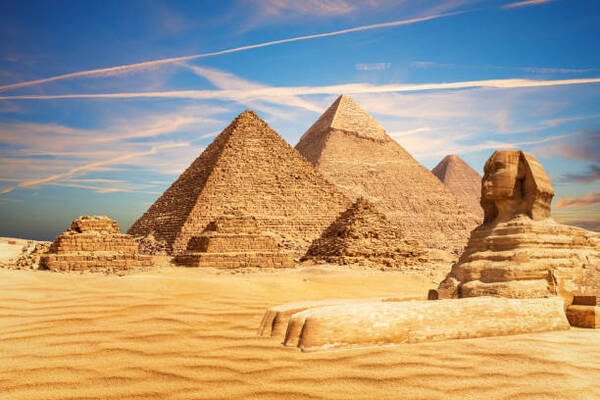
- Diversified Offerings: Beyond the GEM, the government is promoting a wide array of cultural and natural sites, from the Pyramids of Giza to the Red Sea coast, ensuring a multifaceted and resilient tourism product.
2.2 International Partnerships for the Goals (SDG 17)
Egypt has actively fostered international cooperation to bolster its tourism sector, exemplifying SDG 17 (Partnerships for the Goals).
- German Market Collaboration: The hosting of the German travel agents association’s annual conference in Hurghada, attended by over 450 professionals, highlights a crucial partnership. This event reinforces confidence in Egypt as a safe and attractive destination, securing a vital source market for continued growth.
3.0 Economic Impact and Future Projections
The tourism sector’s growth is foundational to achieving national economic objectives and long-term sustainability.
3.1 Advancing Decent Work and Economic Growth (SDG 8)
The sector is a major engine for economic prosperity and job creation.
- Job Creation: The industry supports millions of jobs across hospitality, transportation, and retail.
- Economic Contribution: The USD 15.3 billion generated in 2024 was crucial for economic stability.
- Future Targets: The government has set an ambitious goal of attracting 30 million annual visitors by 2028, reflecting a long-term strategy for sustained economic growth.
3.2 Investment in Sustainable Infrastructure (SDG 9)
To support its growth targets, Egypt is investing in resilient infrastructure, a key component of SDG 9 (Industry, Innovation, and Infrastructure).
- Transport and Connectivity: Expansion of airports and improved transportation links enhance accessibility for international visitors.
- Hospitality Development: Upgrades to hotel facilities and the construction of new resorts are underway to accommodate the rising number of tourists sustainably.
4.0 Commitment to Sustainable Tourism Practices (SDG 12)
Egypt is increasingly integrating sustainability into its tourism strategy, aligning with SDG 12 (Responsible Consumption and Production). The focus extends beyond economic benefits to include the preservation of cultural and natural resources for future generations. This balanced approach ensures that tourism growth fosters cultural exchange and protects the nation’s unique heritage, solidifying Egypt’s position as a responsible and leading global destination.
Analysis of Sustainable Development Goals in Egypt’s Tourism Growth
1. Which SDGs are addressed or connected to the issues highlighted in the article?
- SDG 8: Decent Work and Economic Growth: The article extensively discusses the economic impact of tourism, including revenue generation, job creation, and overall economic growth, which are central themes of SDG 8.
- SDG 9: Industry, Innovation and Infrastructure: The text highlights significant investments in tourism infrastructure, such as the expansion of airports, upgrades to hotels, and the development of new attractions like the Grand Egyptian Museum. This directly relates to building resilient infrastructure to support economic development.
- SDG 11: Sustainable Cities and Communities: The article’s focus on protecting and promoting cultural heritage, exemplified by the Grand Egyptian Museum and other historical sites, aligns with the goal of making human settlements inclusive, safe, resilient, and sustainable, particularly by safeguarding cultural heritage.
- SDG 12: Responsible Consumption and Production: The mention of promoting “sustainable tourism practices” and “preserving the country’s historical sites and natural resources for future generations” connects to the goal of ensuring sustainable consumption and production patterns, specifically within the tourism sector.
2. What specific targets under those SDGs can be identified based on the article’s content?
-
Under SDG 8 (Decent Work and Economic Growth):
- Target 8.9: “By 2030, devise and implement policies to promote sustainable tourism that creates jobs and promotes local culture and products.” The article directly addresses this by describing Egypt’s strategy to boost tourism through cultural landmarks like the Grand Egyptian Museum. It states that the sector “provides millions of jobs” and is a “vital component of Egypt’s economy,” clearly linking tourism promotion with job creation and the promotion of local culture.
-
Under SDG 9 (Industry, Innovation and Infrastructure):
- Target 9.1: “Develop quality, reliable, sustainable and resilient infrastructure… to support economic development and human well-being.” The article details Egypt’s efforts to “support this growth” through initiatives like “the expansion of airports, upgrades to hotel facilities, and the construction of new resorts,” which are direct examples of developing infrastructure to support the tourism industry and, by extension, economic development.
-
Under SDG 11 (Sustainable Cities and Communities):
- Target 11.4: “Strengthen efforts to protect and safeguard the world’s cultural and natural heritage.” The entire article is framed around the promotion of Egypt’s cultural heritage. The opening of the Grand Egyptian Museum (GEM), which houses “over 100,000 artifacts, including the complete Tutankhamun collection,” is a monumental effort to protect, preserve, and showcase this heritage. The government’s strategy to promote the country as a “hub for culture, history, and heritage tourism” reinforces this connection.
-
Under SDG 12 (Responsible Consumption and Production):
- Target 12.b: “Develop and implement tools to monitor sustainable development impacts for sustainable tourism that creates jobs and promotes local culture and products.” The article implies progress towards this target by mentioning that “As Egypt continues to promote sustainable tourism practices, there is an increasing focus on preserving the country’s historical sites and natural resources for future generations.” This shows an awareness and strategic focus on the sustainability aspect of its tourism boom.
3. Are there any indicators mentioned or implied in the article that can be used to measure progress towards the identified targets?
- Tourism’s Economic Contribution: The article provides a specific figure for tourism revenue: “In 2024, the tourism industry generated USD 15.3 billion (EGP 725 billion).” This is a direct indicator for measuring the economic impact of tourism (relevant to Target 8.9).
- International Tourist Arrivals: The article provides clear metrics on visitor numbers, stating that “15.6 million visitors welcomed” in 2025, which is a “21% growth from the previous year.” It also sets future goals, such as attracting “30 million annual visitors by 2028.” These numbers serve as key performance indicators for the success of tourism policies (relevant to Targets 8.9 and 12.b).
- Job Creation in Tourism: While not providing a precise number, the article states that the tourism sector “provides millions of jobs.” This qualitative statement implies that the number of jobs in the tourism industry is a key metric being monitored (relevant to Target 8.9).
- Investment in Cultural and Tourism Infrastructure: The article points to tangible projects like “the opening of the Grand Egyptian Museum (GEM),” “expansion of airports,” and “upgrades to hotel facilities.” The completion and scale of these projects serve as indicators of the government’s investment in protecting cultural heritage and supporting the tourism industry (relevant to Targets 9.1 and 11.4).
4. Table of SDGs, Targets, and Indicators
| SDGs | Targets | Indicators Identified in the Article |
|---|---|---|
| SDG 8: Decent Work and Economic Growth | 8.9: Promote sustainable tourism that creates jobs and promotes local culture. |
|
| SDG 9: Industry, Innovation and Infrastructure | 9.1: Develop quality, reliable, sustainable and resilient infrastructure. |
|
| SDG 11: Sustainable Cities and Communities | 11.4: Strengthen efforts to protect and safeguard the world’s cultural and natural heritage. |
|
| SDG 12: Responsible Consumption and Production | 12.b: Develop and implement tools to monitor sustainable development impacts for sustainable tourism. |
|
Source: travelandtourworld.com
What is Your Reaction?
 Like
0
Like
0
 Dislike
0
Dislike
0
 Love
0
Love
0
 Funny
0
Funny
0
 Angry
0
Angry
0
 Sad
0
Sad
0
 Wow
0
Wow
0