

























































Electric bills to increase across Texas, per report from nonprofit, Texas Energy Poverty Research Institute – ABC13 Houston
Rising Electricity Costs in Texas Amid Winter and Infrastructure Challenges
Overview
As temperatures decline across Texas, residents are experiencing increased electricity bills. This trend raises concerns related to energy affordability and infrastructure resilience, directly impacting several Sustainable Development Goals (SDGs), including SDG 7 (Affordable and Clean Energy), SDG 9 (Industry, Innovation, and Infrastructure), and SDG 11 (Sustainable Cities and Communities).
Factors Contributing to Higher Electric Bills
- Increased Energy Usage During Winter: More people staying indoors during colder months naturally leads to higher electricity consumption.
- Transmission and Distribution Costs: According to the Texas Energy Poverty Research Institute (TEPRI), approximately 40% of electric bills are allocated toward the transmission and distribution infrastructure of the electric grid.
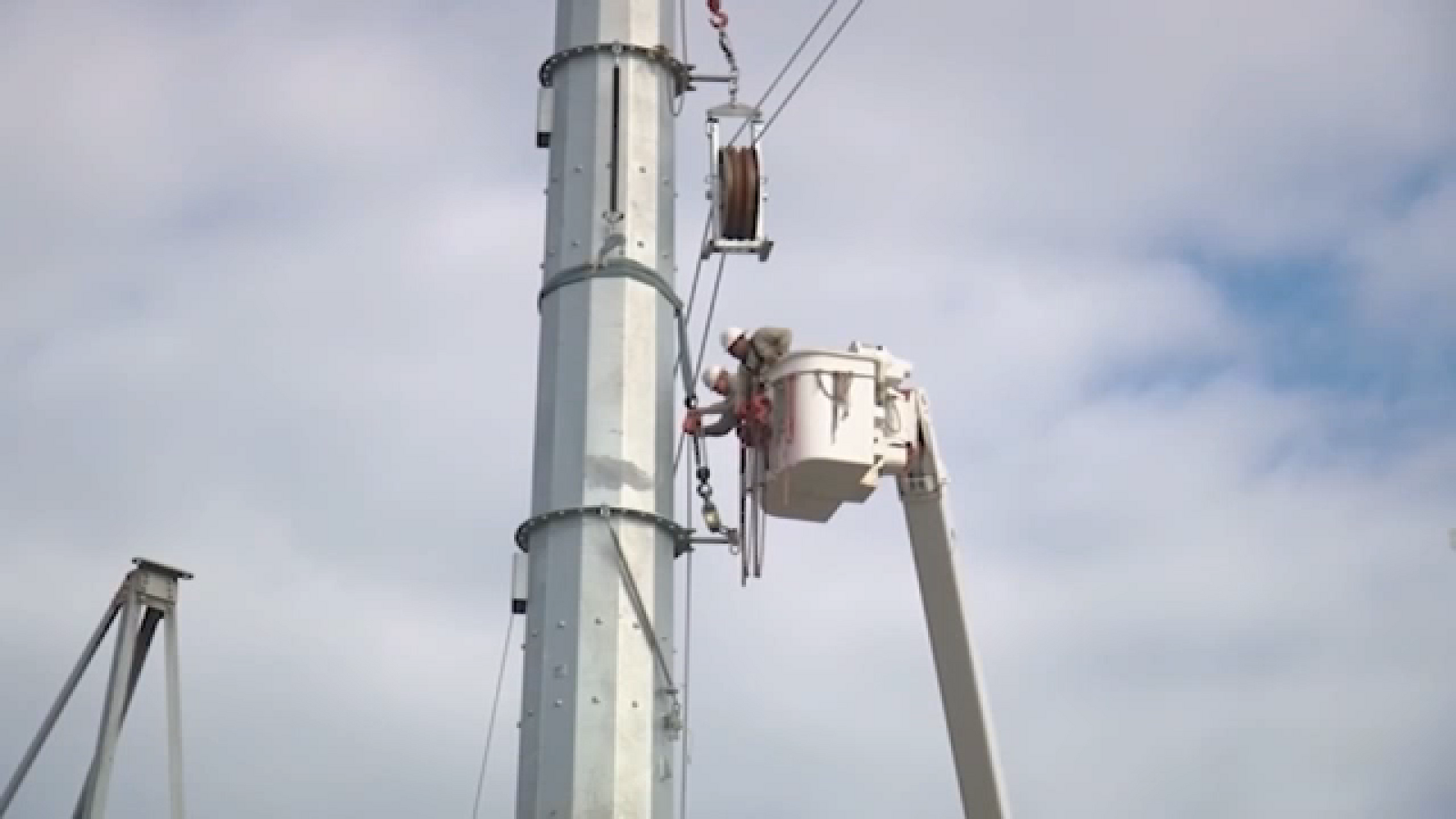
- Infrastructure Upgrades: Upgrades are necessary to accommodate increased energy demand and to improve resilience against extreme weather events such as cold spells and heatwaves.
Insights from Experts and Community Members
- Margo Weisz, Executive Director of TEPRI: Emphasized the need for upgrading electric grid infrastructure to handle greater energy use and severe weather conditions, aligning with SDG 9.
- Mike Zubel: Highlighted the importance of investing in infrastructure to mitigate the impacts of natural disasters like freezes and hurricanes, supporting SDG 11.
- Bruce Rice: Expressed concerns about the financial burden on households, noting that increased costs reduce savings for retirement, medical expenses, and community spending, which relates to SDG 1 (No Poverty) and SDG 3 (Good Health and Well-being).
Economic Trends and Projections
- TEPRI’s ERCOT affordability outlook study reports that 80% of energy spending is directed toward electricity consumption.
- Electricity prices have increased by 30% over the past five years.
- This upward trend in electricity costs is projected to continue through 2030, posing challenges for energy affordability and sustainable economic growth (SDG 8).
Community Responses and Adaptations
- Residents are adjusting their budgets to cope with rising costs, often reducing discretionary spending such as dining out and shopping.
- Sherly Hughes noted a $50 increase in her electric bill compared to the previous month and indicated plans to cut back on non-essential expenses.
Implications for Sustainable Development Goals
- SDG 7 (Affordable and Clean Energy): The need for affordable electricity highlights the importance of sustainable energy solutions and infrastructure modernization.
- SDG 9 (Industry, Innovation, and Infrastructure): Upgrading the electric grid to withstand extreme weather supports resilient infrastructure development.
- SDG 11 (Sustainable Cities and Communities): Enhancing infrastructure resilience contributes to safer and more sustainable urban environments.
- SDG 1 (No Poverty) and SDG 3 (Good Health and Well-being): Addressing energy affordability is critical to reducing poverty and ensuring community health.
- SDG 8 (Decent Work and Economic Growth): Managing rising energy costs is essential for maintaining economic stability and growth.
Conclusion
The rising electricity costs in Texas underscore the urgent need for investment in energy infrastructure and sustainable practices. Addressing these challenges aligns with multiple Sustainable Development Goals and is vital for ensuring energy affordability, infrastructure resilience, and community well-being in the face of climate variability and economic pressures.
For ongoing updates, follow Mo Haider on Facebook, X, and Instagram.
1. Sustainable Development Goals (SDGs) Addressed in the Article
- SDG 7: Affordable and Clean Energy
- The article discusses rising electric bills and the need to upgrade electric grid infrastructure to handle increased energy use and severe weather.
- SDG 9: Industry, Innovation, and Infrastructure
- Emphasis on investing in infrastructure improvements to ensure resilience during natural disasters like freezes and hurricanes.
- SDG 13: Climate Action
- The need to adapt infrastructure to extreme weather conditions reflects climate resilience efforts.
- SDG 1: No Poverty
- Concerns about energy affordability and its impact on household budgets relate to reducing poverty and energy poverty.
2. Specific Targets Under Those SDGs Identified in the Article
- SDG 7: Affordable and Clean Energy
- Target 7.1: By 2030, ensure universal access to affordable, reliable, and modern energy services.
- Target 7.3: By 2030, double the global rate of improvement in energy efficiency.
- SDG 9: Industry, Innovation, and Infrastructure
- Target 9.1: Develop quality, reliable, sustainable, and resilient infrastructure to support economic development and human well-being.
- SDG 13: Climate Action
- Target 13.1: Strengthen resilience and adaptive capacity to climate-related hazards and natural disasters.
- SDG 1: No Poverty
- Target 1.2: Reduce at least by half the proportion of people living in poverty in all its dimensions, including energy poverty.
3. Indicators Mentioned or Implied in the Article to Measure Progress
- Electricity Price Trends
- The article mentions a 30% jump in electricity prices over five years and a projected continuing trend until 2030, which can be tracked as an indicator of energy affordability (related to SDG 7.1 and SDG 1.2).
- Energy Spending Proportion
- 80% of energy spending going towards electricity indicates the household energy burden, relevant to measuring energy poverty.
- Infrastructure Resilience
- Upgrades to transmission and distribution infrastructure to withstand extreme weather can be measured by the proportion of resilient infrastructure in place (related to SDG 9.1 and SDG 13.1).
- Household Impact Measures
- Changes in household spending habits due to rising energy costs (e.g., cutting back on eating out or other expenses) imply socio-economic indicators related to poverty and well-being.
4. Table: SDGs, Targets, and Indicators
| SDGs | Targets | Indicators |
|---|---|---|
| SDG 7: Affordable and Clean Energy |
|
|
| SDG 9: Industry, Innovation, and Infrastructure |
|
|
| SDG 13: Climate Action |
|
|
| SDG 1: No Poverty |
|
|
Source: abc13.com
What is Your Reaction?
 Like
0
Like
0
 Dislike
0
Dislike
0
 Love
0
Love
0
 Funny
0
Funny
0
 Angry
0
Angry
0
 Sad
0
Sad
0
 Wow
0
Wow
0