
















Endangered species convention proposes new rules for growing exotic pet trade – ABC News
Report on the Exotic Pet Trade and its Impact on Sustainable Development Goals
Introduction: A Growing Threat to Global Biodiversity
The expanding international trade in exotic pets, facilitated by online marketplaces and social media, poses a significant threat to global biodiversity and the achievement of the Sustainable Development Goals (SDGs). Conservation efforts are increasingly focused on strengthening regulations to combat this trade, which undermines SDG 15 (Life on Land) and related goals. The Convention on International Trade in Endangered Species of Wild Fauna and Flora (CITES) conference in Samarkand, Uzbekistan, serves as a critical platform for addressing these challenges through international cooperation, in line with SDG 17 (Partnerships for the Goals).
Direct Impacts on SDG 15 (Life on Land) and SDG 14 (Life Below Water)
The illegal and unregulated trade in live animals is a primary driver of biodiversity loss, directly contravening the targets of SDG 15 to halt the loss of biodiversity and protect threatened species. A recent report by the International Fund for Animal Welfare (IFAW) highlights a significant increase in seizures of poached animals in Latin America, with reptiles constituting approximately 60% of the trade.
- Target 15.5 (Protect Natural Habitats and Biodiversity): The demand for rare pets leads to the overexploitation of vulnerable species, pushing them toward extinction. The United States alone imports an average of 90 million live animals annually, contributing to this crisis.
- Target 15.7 (Combat Poaching and Trafficking): The shift from trade in animal parts to live specimens for the pet market has intensified trafficking activities. Species are often captured from the wild and laundered into the legal market.
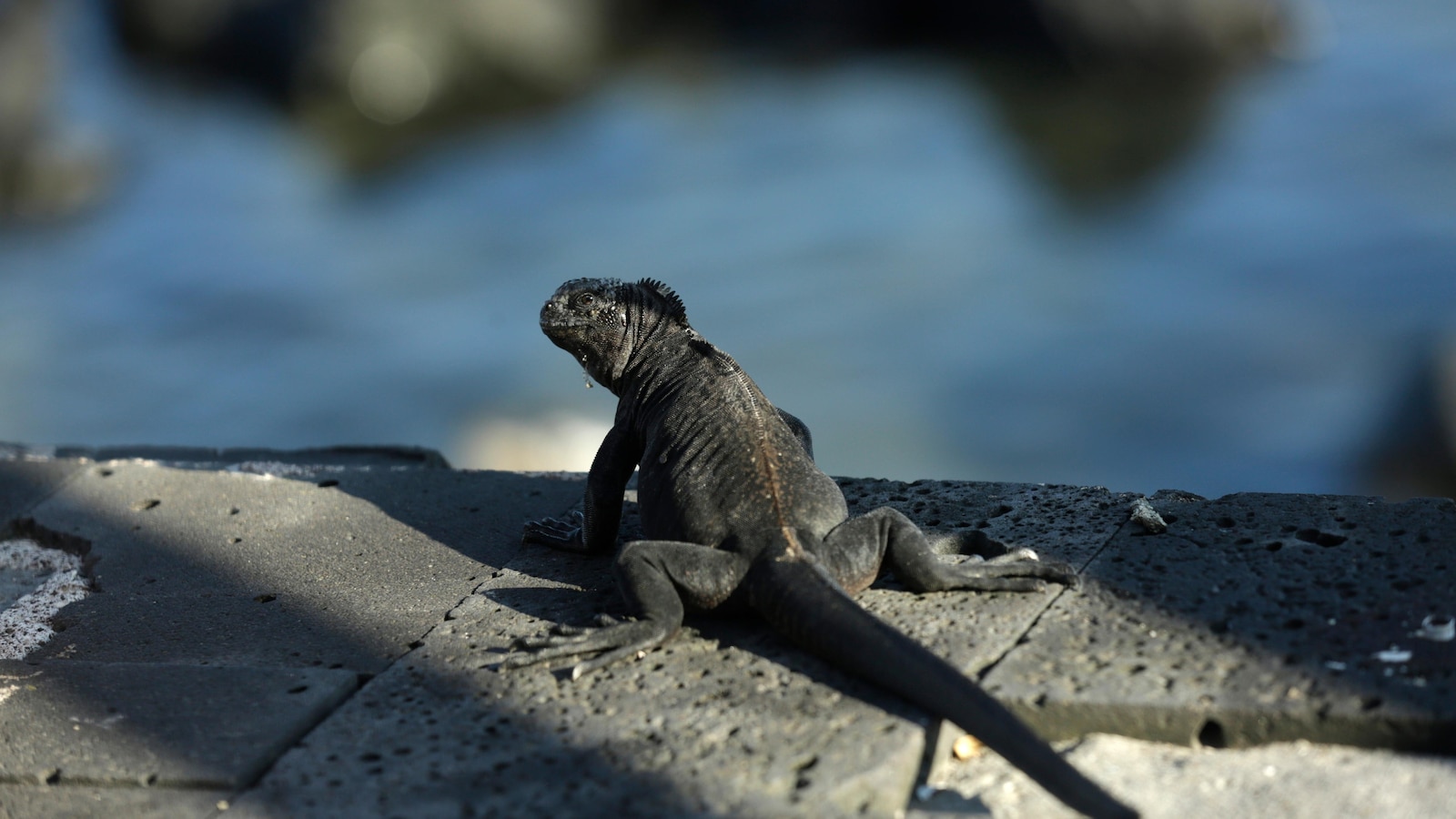
- Target 14.c (Conserve and Sustainably Use Oceans and Marine Resources): The trade also affects marine and coastal ecosystems. A proposal from Ecuador seeks to ban the trade in marine and land iguanas from the Galapagos, which are threatened by illegal collection for markets in Asia where they can sell for up to $25,000.
Species Under Consideration for Enhanced Protection
Several proposals at the CITES conference aim to provide greater protection for species threatened by the pet trade, reflecting a global effort to meet SDG 15 targets.
- Reptiles and Amphibians: Proposals include tighter controls or bans on the trade of Home’s Hinged-back Tortoise (critically endangered), various vipers and rattlesnakes, the Australian leaf-tailed gecko, and Galapagos iguanas.
- Arachnids: A proposal seeks to regulate the trade in over a dozen tarantula species from Latin America, which are heavily traded online despite their vulnerability due to long lifespans and low reproductive rates.
- Mammals: Two species of sloths from South America are proposed for regulation, as their popularity in themed cafes in Asia has fueled demand.
Systemic Challenges to SDG 16 (Peace, Justice and Strong Institutions)
The exotic pet trade exposes significant weaknesses in governance and regulatory frameworks, hindering progress on SDG 16, which calls for effective, accountable, and inclusive institutions.
- Growth of Online Markets: The proliferation of online marketplaces directly connects consumers with wildlife traffickers, creating a global, largely unregulated environment that undermines law enforcement and sustainable practices, conflicting with SDG 12 (Responsible Consumption and Production).
- Laundering through Captive Breeding: A major institutional failure is the exploitation of captive breeding regulations. Traffickers mislabel wild-caught animals as captive-bred to obtain legal export permits, a practice that launders illegally sourced wildlife and undermines the CITES framework.
- Lack of Enforcement: Many countries issue export permits without verifying the legal origin of animals, enabling traffickers and undermining the international legal structures designed to protect endangered species. This lack of accountability and justice directly challenges the principles of SDG 16.
Conclusion: Aligning Conservation with the 2030 Agenda
The escalating exotic pet trade is a critical conservation issue that is inextricably linked to the global sustainable development agenda. Addressing this threat requires a concerted effort to strengthen international agreements and national laws, in line with SDG 16 and SDG 17. Halting the illegal and unsustainable trade in wildlife is essential for protecting ecosystems, preserving biodiversity for future generations, and achieving the core objectives of SDG 14 and SDG 15.
Analysis of Sustainable Development Goals in the Article
1. Which SDGs are addressed or connected to the issues highlighted in the article?
-
SDG 15: Life on Land
This is the most prominent SDG in the article. The entire text focuses on the protection of terrestrial and freshwater species from the threats of the illegal exotic pet trade. It discusses the need to protect reptiles, birds, amphibians, and other animals, halt biodiversity loss, and combat poaching and trafficking of endangered species like Galapagos iguanas, various tortoises, and tarantulas.
-
SDG 16: Peace, Justice and Strong Institutions
The article addresses the illegal nature of the exotic pet trade, highlighting it as a form of organized crime. It discusses the failure of regulatory systems, such as the abuse of the CITES permitting process and the laundering of wild-caught animals as captive-bred. This connects to the goal of reducing illicit flows and combating crime by strengthening institutions and regulations.
-
SDG 17: Partnerships for the Goals
The article is centered around the Convention on International Trade in Endangered Species of Wild Fauna and Flora (CITES) conference in Uzbekistan. This is a clear example of a global partnership where countries (Ecuador, Bolivia, Argentina, Panama, USA) and non-governmental organizations (Wildlife Conservation Society, International Fund for Animal Welfare) collaborate to address a global challenge. The proposals and discussions at the conference exemplify international cooperation to achieve conservation goals.
2. What specific targets under those SDGs can be identified based on the article’s content?
-
Target 15.5: Take urgent and significant action to reduce the degradation of natural habitats, halt the loss of biodiversity and, by 2020, protect and prevent the extinction of threatened species.
The article directly relates to this target by highlighting the threat of extinction faced by numerous species due to the pet trade. It mentions specific examples of threatened species, such as the “critically endangered” Home’s Hinged-back Tortoise and the “critically endangered or vulnerable” marine and land iguanas from the Galapagos. The proposals at the CITES conference are aimed at preventing the extinction of these species.
-
Target 15.7: Take urgent action to end poaching and trafficking of protected species of flora and fauna and address both demand and supply of illegal wildlife products.
This target is central to the article’s theme. The text describes the “growing exotic pet trade” and the “illegal trade” as major problems. It details how animals are poached from the wild, laundered through fraudulent captive breeding claims, and sold on “internet marketplaces.” The article discusses both the supply side (traders capturing animals) and the demand side (consumers wanting rare pets, influenced by social media).
-
Target 15.c: Enhance global support for efforts to combat poaching and trafficking of protected species…
The CITES conference itself is a manifestation of this target. The article describes how countries are making proposals for “tighter regulations or complete bans on the trade of several species.” This international collaboration, involving governments and NGOs like the Wildlife Conservation Society, represents the “global support for efforts to combat poaching and trafficking” that this target calls for.
-
Target 16.4: By 2030, significantly reduce illicit financial and arms flows, strengthen the recovery and return of stolen assets and combat all forms of organized crime.
The illegal wildlife trade is a form of organized crime, and the article discusses its illicit nature. It mentions how “traders are capturing and transporting young iguanas by boat or overland to ports and evading authorities by mislabeling them” and how traffickers “launder animals from illegal sources.” These activities represent the illicit flows that Target 16.4 aims to reduce.
3. Are there any indicators mentioned or implied in the article that can be used to measure progress towards the identified targets?
-
Indicator related to Target 15.7 (Proportion of traded wildlife that was poached or illicitly trafficked):
The article provides specific data that can serve as a baseline for this indicator. The IFAW report found “more than 100,000 animals seized or poached from 2017 to 2022” in Latin America. It also notes that “seizures increasing every year.” Tracking the number and trend of seized animals is a direct way to measure the scale of illicit trafficking and the effectiveness of enforcement actions.
-
Indicator related to Target 15.5 (Red List Index):
The article explicitly refers to the conservation status of species as determined by the International Union for Conservation of Nature (IUCN). For example, it states that Galapagos iguanas are “listed by the International Union for Conservation of Nature as critically endangered or vulnerable.” The IUCN Red List is the basis for the Red List Index, a key indicator for this target. Monitoring the conservation status of species mentioned in the article (iguanas, tortoises, etc.) would measure progress toward preventing their extinction.
-
Indicator related to Target 16.4 (Value of inward and outward illicit financial flows):
While not a comprehensive financial flow analysis, the article provides a specific data point on the value of the illicit trade. It mentions that illegally traded iguanas “can sell for as much $25,000 on the black market.” This monetary value, when aggregated, can contribute to measuring the economic scale of this form of organized crime and tracking reductions over time.
4. Summary Table of SDGs, Targets, and Indicators
| SDGs | Targets | Indicators |
|---|---|---|
| SDG 15: Life on Land |
15.5: Protect and prevent the extinction of threatened species.
15.7: End poaching and trafficking of protected species. 15.c: Enhance global support for efforts to combat poaching and trafficking. |
IUCN Red List status: The article mentions species listed as “critically endangered or vulnerable” (e.g., Galapagos iguanas, Home’s Hinged-back Tortoise).
Number of poached/seized animals: The article cites a report of “more than 100,000 animals seized or poached from 2017 to 2022.” |
| SDG 16: Peace, Justice and Strong Institutions | 16.4: Significantly reduce illicit flows and combat all forms of organized crime. | Value of illicit trade: The article mentions that iguanas can sell for “$25,000 on the black market,” indicating the financial scale of the illicit activity. |
| SDG 17: Partnerships for the Goals | 17.16: Enhance the global partnership for sustainable development. | International cooperation: The article is centered on the CITES conference, an international convention where countries and NGOs collaborate to propose and consider new regulations. |
Source: abcnews.go.com
What is Your Reaction?
 Like
0
Like
0
 Dislike
0
Dislike
0
 Love
0
Love
0
 Funny
0
Funny
0
 Angry
0
Angry
0
 Sad
0
Sad
0
 Wow
0
Wow
0