






































;Resize=620#)










Environment and health: a connection that remains unseen in the Climate Change Conferences – The Conversation

Report on the Integration of Climate, Environment, and Health for Sustainable Development
Introduction: The Environmental Health Paradigm
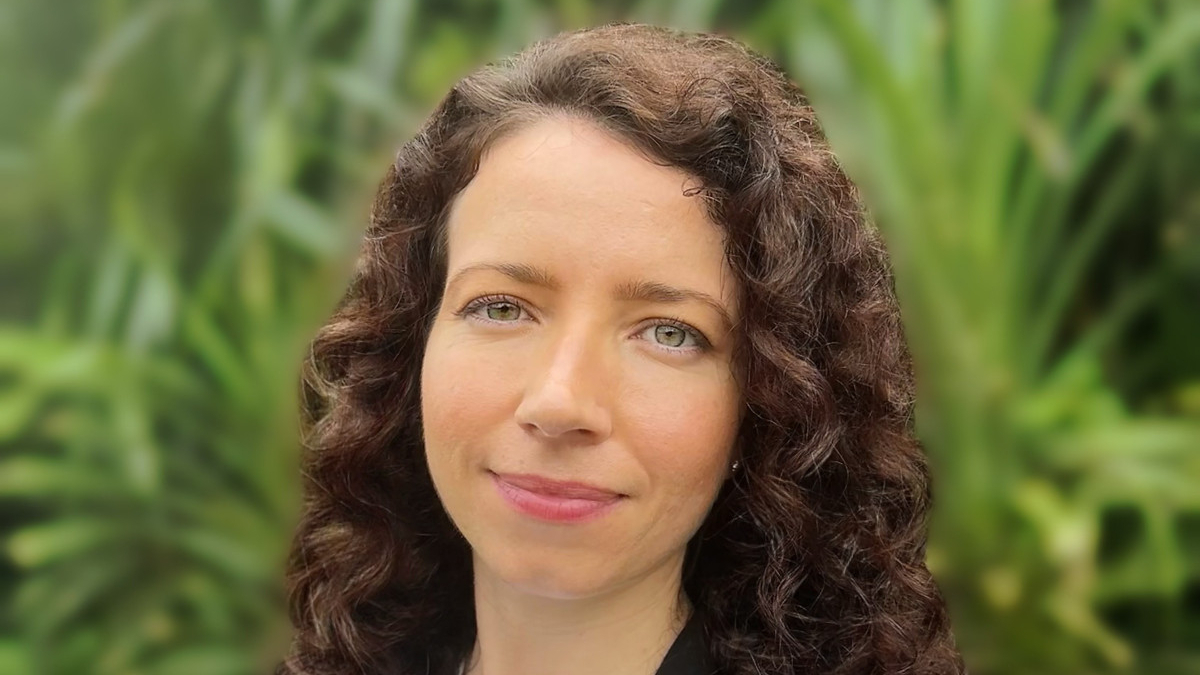
This report summarises the perspective of Sandra Hacon, a researcher at Fiocruz and a member of the Amazon Scientific Panel, on the critical nexus of climate, environment, and health. With two decades of research, Hacon advocates for an “environmental health” approach, which posits that human well-being is fundamentally dependent on a healthy environment. This integrated perspective is essential for addressing the complex challenges of climate change and achieving key Sustainable Development Goals (SDGs), particularly SDG 3 (Good Health and Well-being) and SDG 13 (Climate Action). The report underscores that academic disciplines in isolation are insufficient to explain or mitigate the multifaceted impacts of ongoing environmental transformations.
Climate Change Impacts on Public Health and Ecosystems
Deforestation, Biodiversity, and Zoonotic Spillover
Environmental degradation, particularly in the Amazon, poses a direct threat to global health and undermines progress on SDG 15 (Life on Land). The consequences of this degradation extend beyond deforestation and include:
- Alteration of the hydrological cycle.
- Widespread pollution from activities such as illegal mining.
- Significant loss of biodiversity.
- Increased risk of zoonotic disease emergence.
The Amazon is the biome with the largest and least-known diversity of microorganisms. The Oropouche virus, endemic to the region, serves as a case study. Its spread across Brazil and Latin America was precipitated by intense deforestation, demonstrating how environmental pressures can cause viruses to mutate and expand their reach.
Proliferation of Vector-Borne Diseases
Climate change directly facilitates the spread of vector-borne diseases, presenting a major obstacle to achieving SDG 3. Rising global temperatures create more favourable conditions for disease vectors and pathogens.
- Dengue Fever: An increase in the minimum temperature to 22°C creates a perfect environment for the Aedes aegypti mosquito and the dengue virus to multiply rapidly, leading to millions of cases and global spread to regions like Europe and the United States.
- Chikungunya: Brazil has registered the highest incidence of Chikungunya in Latin America, linked to climate-driven imbalances in rainfall and extreme weather events that accelerate the circulation of viruses, bacteria, and fungi.
Amplification of Impacts by Social Inequality
The effects of climate change are not distributed equally; they are amplified by pre-existing social determinants and inequalities. This reality highlights the importance of addressing SDG 10 (Reduced Inequalities) as a core component of climate and health policy. Vulnerable populations, including forest peoples, riverside communities, quilombolas, and indigenous peoples, bear a disproportionate burden of the health impacts resulting from environmental degradation.
Recommendations for a Proactive and Integrated Response
Shifting from Reactive to Preventative Healthcare Systems
Current healthcare systems in Brazil and Latin America are predominantly reactive, a model insufficient to address the escalating climate crisis. A paradigm shift towards proactive and preventative strategies is required to safeguard public health and advance SDG 3. The healthcare sector is not yet prepared for climate impacts, not due to a lack of technology, but because of systemic failures in coordination and foresight. Key challenges include:
- A lack of installed capacity to handle climate-related health crises.
- Fragmented surveillance systems.
- The absence of a coordinated, rapid-response framework.
Strategic Priorities for Action
To build resilience and effectively integrate health into climate action, the following priorities must be addressed, reflecting the need for stronger institutions under SDG 16 (Peace, Justice and Strong Institutions).
- Strengthen Prevention and Monitoring: Brazil’s culture of acting only after a disaster must be replaced with a focus on prevention. Successful models, such as the Fiocruz application used by forest peoples to monitor animal deaths and prevent yellow fever outbreaks, should be scaled up.
- Protect Vulnerable Populations: Specific health monitoring and support programs must be developed for newly contacted indigenous peoples to prevent the introduction and spread of diseases, directly supporting the goals of SDG 10.
- Secure Political Will and Resource Allocation: A critical barrier is the lack of political decision-making and the misallocation of resources. Effective climate and health action requires dedicated funding and political commitment.
- Foster Regional Leadership and Partnerships: Brazil possesses the institutions and expertise to lead Latin America in proactive environmental health policy. Strengthening regional and international collaborations is vital for achieving SDG 17 (Partnerships for the Goals).
Conclusion: Centralising Health in the Climate Debate
Despite the clear and present connection between climate, environment, and health, the topic remains marginalised in key policy discussions, including at major climate conferences. The failure to integrate these domains jeopardises the entire 2030 Agenda for Sustainable Development. Placing the urgency of environmental health at the centre of the climate debate is not merely an option but a necessity for building a sustainable and healthy future for all.
Analysis of Sustainable Development Goals in the Article
-
Which SDGs are addressed or connected to the issues highlighted in the article?
The article highlights a range of interconnected issues that are relevant to several Sustainable Development Goals (SDGs). The primary focus on the relationship between environmental degradation, climate change, and public health directly links to the following SDGs:
- SDG 3: Good Health and Well-being: The core of the article discusses the health impacts of climate change, including the spread of communicable diseases like dengue, Oropouche, and chikungunya. It also addresses the healthcare system’s reactive nature and the need for proactive measures, vaccine development, and integrated surveillance.
- SDG 13: Climate Action: The entire conversation is framed within the context of climate change, its consequences such as extreme weather events and rising temperatures, and the political and scientific discussions at events like COP30. The article emphasizes the urgency of taking proactive action to mitigate and adapt to these changes.
- SDG 15: Life on Land: The article explicitly mentions “deforestation in the Amazon” as a key driver of ecological change. It discusses the resulting loss of biodiversity, alteration of the hydrological cycle, and how these environmental transformations facilitate the circulation of viruses.
- SDG 10: Reduced Inequalities: The text states that “inequalities amplify the effects of climate change.” It points out the specific vulnerabilities of “forest peoples, the riverside communities, the quilombolas and indigenous peoples,” highlighting how environmental and health crises disproportionately affect marginalized communities.
- SDG 11: Sustainable Cities and Communities: The article references natural disasters caused by extreme weather in urban and populated areas like “Rio Grande do Sul, São Sebastião, Petrópolis, Rio de Janeiro.” This connects to the need for resilient infrastructure and effective disaster response systems in human settlements.
- SDG 17: Partnerships for the Goals: The article mentions the collaboration of over 320 scientists in the “Scientific Panel for the Amazon” and the work of institutions like Fiocruz, the IPCC, and the Climate Network. This underscores the importance of scientific partnerships and institutional collaboration to address complex global challenges.
-
What specific targets under those SDGs can be identified based on the article’s content?
Based on the specific issues discussed, several SDG targets can be identified:
- Target 3.3: By 2030, end the epidemics of AIDS, tuberculosis, malaria and neglected tropical diseases and combat hepatitis, water-borne diseases and other communicable diseases. The article’s focus on the spread of arboviruses like “dengue fever,” “chikungunya,” and the “Oropouche virus” directly relates to this target of combating communicable diseases.
- Target 3.d: Strengthen the capacity of all countries, in particular developing countries, for early warning, risk reduction and management of national and global health risks. The critique that “healthcare is not yet prepared to face the climate crisis” and the call to “strengthen early warnings, and bring healthcare closer to climate modelling” aligns perfectly with this target.
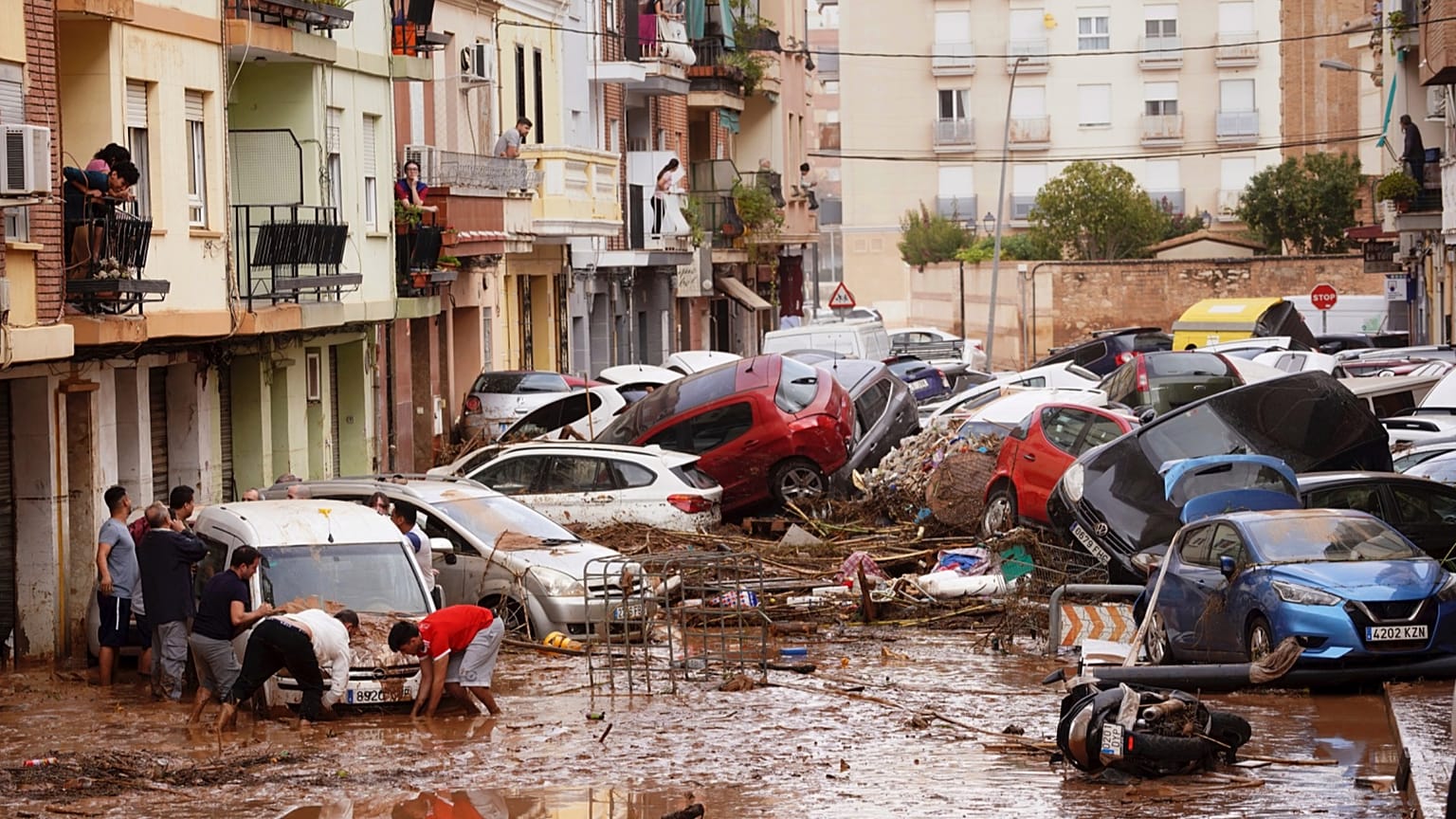
- Target 13.1: Strengthen resilience and adaptive capacity to climate-related hazards and natural disasters in all countries. The mention of repeated “natural disasters caused by extreme weather and climate events” in various Brazilian locations points to the urgent need to build resilience as outlined in this target.
- Target 13.3: Improve education, awareness-raising and human and institutional capacity on climate change mitigation, adaptation, impact reduction and early warning. The researcher notes that “people do not make the connection between climate, environment, and health” and that health is a “latecomer to this discussion,” indicating a clear gap in awareness and institutional capacity that this target aims to address.
- Target 15.2: By 2020, promote the implementation of sustainable management of all types of forests, halt deforestation, restore degraded forests and substantially increase afforestation and reforestation globally. The article identifies “intense deforestation near Manaus” as a key factor in the spread of the Oropouche virus, directly linking the failure to halt deforestation to negative health outcomes.
- Target 15.5: Take urgent and significant action to reduce the degradation of natural habitats, halt the loss of biodiversity and, by 2025, protect and prevent the extinction of threatened species. The text describes the Amazon as the “biome with the largest number of microorganisms on the planet — and the least known,” and links its degradation to a “loss of biodiversity,” which is the central theme of this target.
- Target 11.5: By 2030, significantly reduce the number of deaths and the number of people affected… caused by disasters. The article’s reference to the work of the “National Centre for Natural Disaster Monitoring and Alerts (Cemaden)” and its warnings before the disaster in São Sebastião highlights the importance of monitoring and prevention to reduce the human cost of disasters.
-
Are there any indicators mentioned or implied in the article that can be used to measure progress towards the identified targets?
The article implies several indicators through its discussion of data, monitoring, and outcomes:
- Incidence rates of communicable diseases (Implied for Target 3.3): The article mentions reaching “millions of cases [of dengue] in a single state” and Brazil having the “highest incidence rate of chikungunya in Latin America.” This directly implies that tracking the number of cases and incidence rates of these climate-sensitive diseases is a key indicator of public health status.
- Capacity for health emergency preparedness (Implied for Target 3.d): The text critiques the “lack of installed capacity, integrated surveillance, and coordinated response” in the healthcare system. Progress could be measured by assessing the existence and functionality of integrated surveillance systems and early warning mechanisms that connect climate data (from institutions like Cemaden) with public health responses.
- Number of people affected by climate-related disasters (Implied for Target 13.1 & 11.5): By repeatedly citing the disasters in “Rio Grande do Sul, São Sebastião, Petrópolis, Rio de Janeiro,” the article implies that the human toll (deaths, injuries, displacement) of these events is a primary measure of a country’s vulnerability and lack of resilience to climate change.
- Rate of deforestation (Implied for Target 15.2): The article explicitly links “deforestation in the Amazon” to a larger process of degradation and the spread of viruses. Therefore, the rate of deforestation is a critical indicator for measuring progress in protecting this ecosystem and, by extension, public health.
- Monitoring of key species as bio-indicators (Implied for Target 15.5): The mention of the app used by forest peoples “to record dead animals” to prevent a yellow fever epidemic, where “non-human primates die first,” points to a practical indicator. The health and mortality rates of sentinel species can serve as an early warning for ecosystem distress and zoonotic disease risk.
-
Create a table with three columns titled ‘SDGs, Targets and Indicators” to present the findings from analyzing the article. In this table, list the Sustainable Development Goals (SDGs), their corresponding targets, and the specific indicators identified in the article.
SDGs Targets Indicators (as mentioned or implied in the article) SDG 3: Good Health and Well-being 3.3: End epidemics of communicable diseases. Incidence rates of climate-sensitive diseases (e.g., “millions of cases” of dengue, high incidence of chikungunya). SDG 3: Good Health and Well-being 3.d: Strengthen capacity for early warning and management of health risks. Functionality of integrated surveillance and early warning systems connecting climate and health data. SDG 13: Climate Action 13.1: Strengthen resilience and adaptive capacity to climate-related hazards. Number of people affected by extreme weather events and natural disasters in locations like Rio Grande do Sul and São Sebastião. SDG 11: Sustainable Cities and Communities 11.5: Reduce the number of deaths and people affected by disasters. Effectiveness of disaster monitoring and alerts (e.g., from Cemaden) in preventing human losses. SDG 15: Life on Land 15.2: Halt deforestation. Rate of deforestation in critical ecosystems like the Amazon. SDG 15: Life on Land 15.5: Halt biodiversity loss. Mortality rates of sentinel species (e.g., non-human primates for yellow fever) as bio-indicators of ecosystem health.
Source: theconversation.com
What is Your Reaction?
 Like
0
Like
0
 Dislike
0
Dislike
0
 Love
0
Love
0
 Funny
0
Funny
0
 Angry
0
Angry
0
 Sad
0
Sad
0
 Wow
0
Wow
0