




































Funding Education Opportunity: School buses and changing transportation needs – Reason Foundation
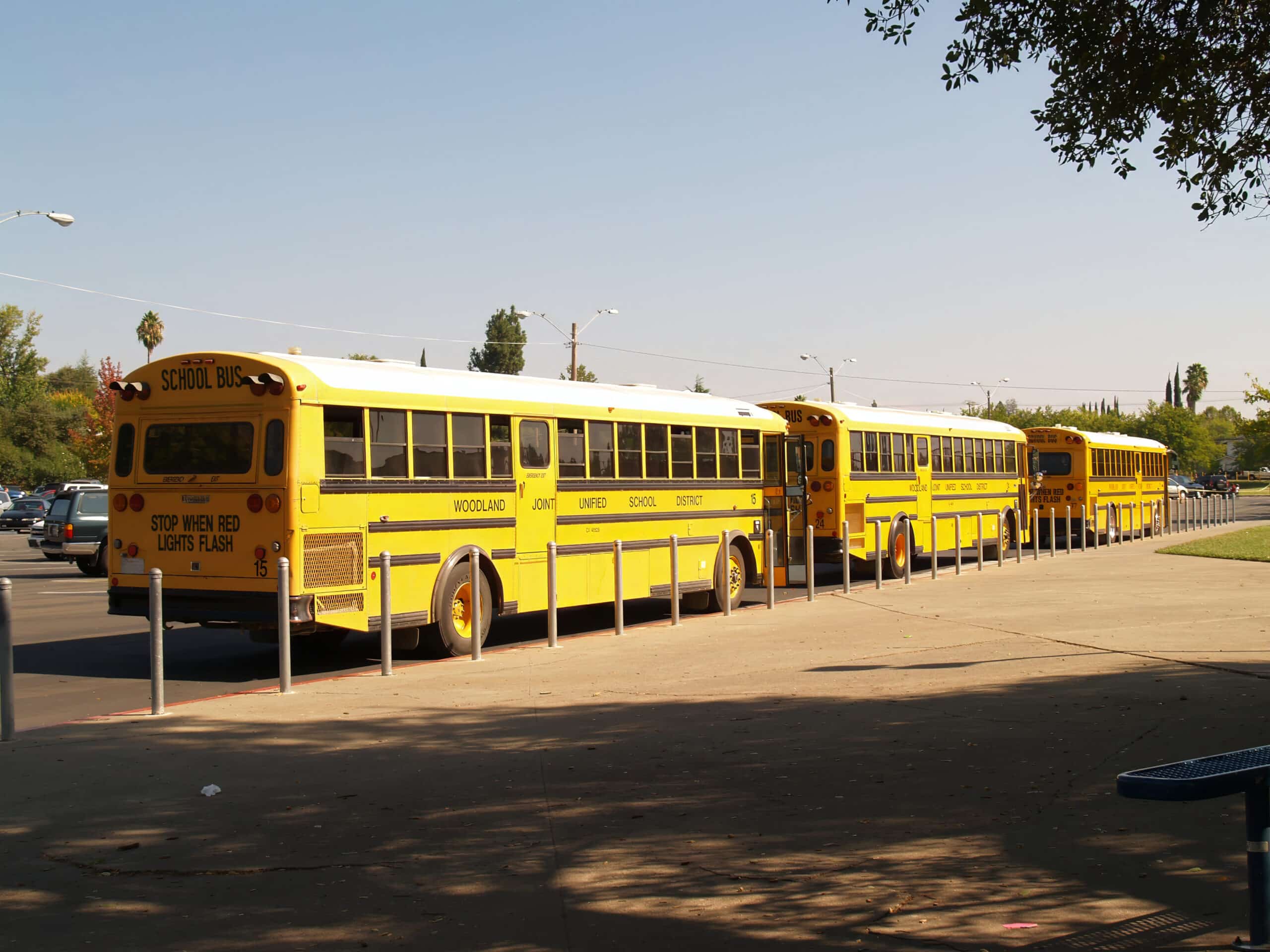
Declining Role of Yellow School Buses in K-12 Student Transportation
Overview of Transportation Trends
The iconic yellow school bus, traditionally a symbol of public schooling in the United States, is experiencing a decline as the primary mode of transportation for many K-12 students. In 1980, over 59% of students were transported at public expense; however, by the 2018-19 school year, this figure had decreased by nearly eight percentage points. Recent data from 47 states during the 2023-24 school year indicates that only 43% of public school students were transported daily by school buses.
Factors Contributing to Declining Ridership
- Increased parental involvement in transportation, with 79% of families managing school transportation independently according to a 2024 survey by HopSkipDrive.
- Growth in homeschooling, which increased by 21% between 2019 and 2023.
- Expansion of private school choice programs, with participation rising by 164% (over 800,000 students) between 2019 and 2025.
- Urban sprawl leading to longer bus routes transporting fewer students at higher costs.
Financial and Operational Challenges
- Average expenditure per student transported by bus nearly doubled from $785 in 1980-81 to $1,454 in 2018-19 (inflation-adjusted), an increase of 92%.
- Bus driver shortages have led to route changes and cancellations, adversely affecting student attendance and access to education.
- Examples include Indiana students missing school due to lost transportation and Ohio’s Mentor School District canceling school for a day because of driver shortages.
Implications for Sustainable Development Goals (SDGs)
Quality Education (SDG 4)
Reliable transportation is critical to ensuring equitable access to quality education. Transportation challenges contribute to chronic absenteeism and hinder learning, especially for vulnerable populations affected by pandemic-induced learning loss.
Reduced Inequalities (SDG 10)
Transportation barriers disproportionately affect students from low-income families, rural areas, and those with special needs, exacerbating educational inequalities.
Decent Work and Economic Growth (SDG 8)
Bus driver shortages highlight labor market challenges, including the need for better recruitment and retention strategies in student transportation services.
Industry, Innovation, and Infrastructure (SDG 9)
Modernizing student transportation through innovative solutions can improve efficiency, reduce costs, and enhance service delivery.
Policy Recommendations and Innovative Solutions
Regulatory Reforms
- Relax regulations limiting the use of smaller vehicles such as vans or town cars for student transportation, especially for one-off trips and special populations (e.g., homeless students, rural students).
- Enable school districts to diversify transportation options beyond traditional yellow school buses to improve flexibility and cost-effectiveness.
Innovative Transportation Models
Organizations like HopSkipDrive have facilitated over five million rides across 17 states by providing supplemental transportation options. Their model includes:
- Use of small passenger vans driven by caregivers with extensive background checks and caregiving experience, but without the need for commercial licenses.
- Personalized transportation services for students with Individualized Education Plans and those transferring schools via open enrollment.
- Improved route efficiency and flexibility for districts.
Collaborative Programs
Indiana’s new program allows districts, charter schools, and private schools to pool resources for student transportation to specialized learning experiences, such as career and technical education.
Future Outlook and Policy Considerations
The challenges in student transportation are expected to persist, necessitating policy flexibility to ensure all students can access education. While yellow school buses remain essential, integrating nimble and diverse transportation options can enhance service delivery, reduce costs, and support Sustainable Development Goals.
Recent Developments in Education Policy
Legal and Legislative Updates
- Tennessee: A lawsuit challenges the constitutionality of the Education Freedom Scholarship Act, which provides private school scholarships to 20,000 students. The governor remains confident in the program’s legal standing.
- Montana: A district court blocked the education savings account program for students with disabilities due to unconstitutional funding mechanisms.
- Texas: Finalized rules for a new private school scholarship program offering up to $10,000 per student, prioritizing applicants with disabilities and low-income families.
- Missouri: The Board of Education supports K-12 open enrollment, allowing transfers to public schools outside assigned districts.
Federal Tax-Credit Scholarship Program Participation
- Governors in Colorado, Nebraska, North Carolina, South Dakota, Tennessee, and Texas plan to participate in the federal tax-credit scholarship program launching in 2027.
- Nebraska and North Carolina have officially opted in; New Mexico, Oregon, and Wisconsin have opted out.
- The program allows taxpayers to contribute up to $1,700 annually to scholarship organizations for approved educational expenses.
Additional Resources and Recommended Reading
- What State Policymakers Should Know About Homeschoolers – Reason Foundation
- Southern California School Districts Spend Big, But Student Outcomes Have Barely Budged – Reason Foundation
- Why Teacher Salaries Are Stagnant – Reason Foundation
- Choice Programs Should Differentiate Funding – John Kristof, Informed Substack
- EFA Parents Are Unsung Heroes Supporting Both Their Communities and Their Kids – Kate Baker Demers, NH Journal
- Seattle Schools Are Surveying Teens on Sex, Gender, Drug Use — and Sharing the Data – Kamden Mulder, National Review
1. Sustainable Development Goals (SDGs) Addressed or Connected
- SDG 4: Quality Education
- The article discusses access to education through transportation, homeschooling, private school choice, and open enrollment policies.
- Issues such as chronic absenteeism, learning loss, and equitable access to education are highlighted.
- SDG 10: Reduced Inequalities
- Transportation challenges disproportionately affect students reliant on school buses, including those in rural areas, homeless students, and students with disabilities.
- Private school choice programs and education savings accounts aim to provide equitable educational opportunities.
- SDG 11: Sustainable Cities and Communities
- Urban sprawl and transportation inefficiencies are discussed, impacting the cost and logistics of student transportation.
- Efforts to modernize transportation with smaller vehicles and rideshare options relate to sustainable urban planning.
- SDG 8: Decent Work and Economic Growth
- Bus driver shortages and employment challenges in student transportation are mentioned.
2. Specific Targets Under Identified SDGs
- SDG 4: Quality Education
- Target 4.1: Ensure that all girls and boys complete free, equitable and quality primary and secondary education.
- Target 4.5: Eliminate gender disparities and ensure equal access to all levels of education and vocational training for vulnerable populations.
- Target 4.a: Build and upgrade education facilities that are child, disability and gender sensitive and provide safe, non-violent, inclusive and effective learning environments.
- SDG 10: Reduced Inequalities
- Target 10.2: Empower and promote the social, economic and political inclusion of all, irrespective of age, sex, disability, race, ethnicity, origin, religion or economic or other status.
- SDG 11: Sustainable Cities and Communities
- Target 11.2: Provide access to safe, affordable, accessible and sustainable transport systems for all, improving road safety, notably by expanding public transport.
- SDG 8: Decent Work and Economic Growth
- Target 8.8: Protect labor rights and promote safe and secure working environments for all workers.
3. Indicators Mentioned or Implied to Measure Progress
- SDG 4 Indicators
- Percentage of students transported at public expense (ridership rates).
- Rates of chronic absenteeism among students reliant on school transportation.
- Enrollment numbers in homeschooling and private school choice programs.
- Access to transportation for vulnerable groups such as homeless students and students with disabilities.
- SDG 10 Indicators
- Equity in access to education and transportation services for marginalized groups.
- Participation rates of low-income and disabled students in scholarship and education savings account programs.
- SDG 11 Indicators
- Cost per student for transportation and efficiency of transportation routes.
- Availability and use of alternative transportation modes (e.g., vans, rideshare services).
- SDG 8 Indicators
- Number of qualified bus drivers and driver shortages.
- Employment conditions and licensing requirements for transportation workers.
4. Table of SDGs, Targets, and Indicators
| SDGs | Targets | Indicators |
|---|---|---|
| SDG 4: Quality Education |
|
|
| SDG 10: Reduced Inequalities |
|
|
| SDG 11: Sustainable Cities and Communities |
|
|
| SDG 8: Decent Work and Economic Growth |
|
|
Source: reason.org
What is Your Reaction?
 Like
0
Like
0
 Dislike
0
Dislike
0
 Love
0
Love
0
 Funny
0
Funny
0
 Angry
0
Angry
0
 Sad
0
Sad
0
 Wow
0
Wow
0