































Grand Challenges: Wayne State researchers are tackling Detroit’s toughest environmental problems – Today@Wayne

Wayne State University’s Grand Challenges Initiative: Advancing Sustainable Development Goals in Detroit
Introduction
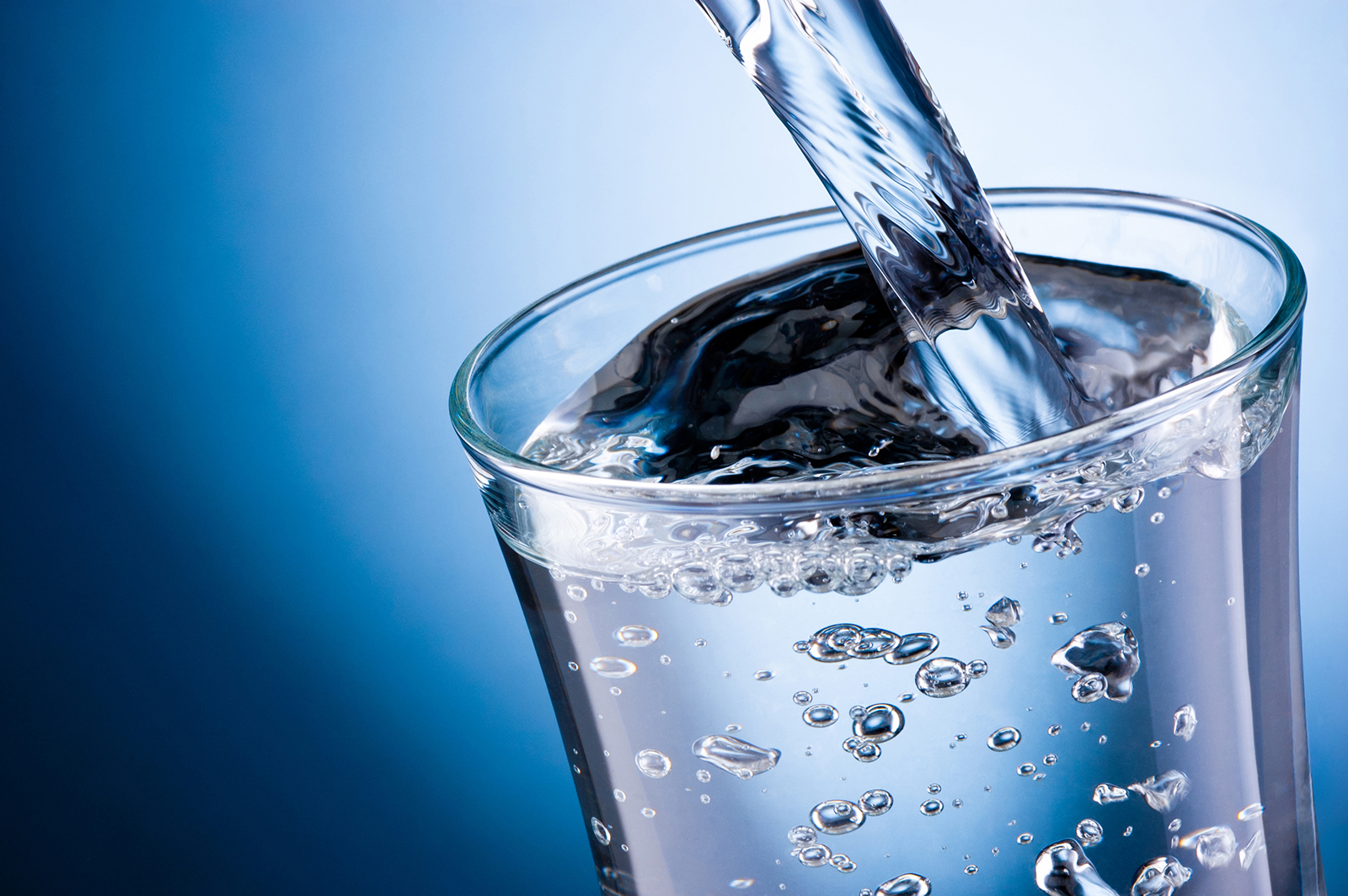
Detroit has a history of resilience, demonstrated by its evolving skyline, revitalized neighborhoods, and transformation of factories into technology hubs. However, beneath this progress lie persistent issues such as polluted air, contaminated water, aging infrastructure, and the lingering effects of industrialization. Addressing these challenges aligns closely with the United Nations Sustainable Development Goals (SDGs), particularly those focusing on clean water and sanitation (SDG 6), sustainable cities and communities (SDG 11), good health and well-being (SDG 3), and climate action (SDG 13).
Wayne State University’s Grand Challenges initiative directly confronts these urban problems by mobilizing researchers committed to sustainable solutions that improve quality of life for Detroit residents.
Community-Centered Research Themes
According to Dr. Ezemenari M. Obasi, Vice President for Research & Innovation, the initiative focuses on themes that matter most to Detroiters, including air quality, water safety, health, and environmental sustainability. These themes reflect community-identified challenges and support SDG 3 (Good Health and Well-being) and SDG 11 (Sustainable Cities and Communities).
Building Sustainable Environments in Detroit
One of the four key themes centers on creating sustainable environments that enhance both quality and length of life. This is particularly relevant in a city shaped by the Great Lakes and industrial activity, emphasizing SDG 6 (Clean Water and Sanitation) and SDG 15 (Life on Land).

Water as a Central Element in Sustainability
Dr. Carol Miller, Professor of Civil and Environmental Engineering at the James and Patricia Anderson College of Engineering, leads research on Great Lakes ecosystems and the movement of chemicals from everyday products through wastewater into natural water bodies. Her work supports SDG 6 by addressing water pollution and its impact on public health.
- Focus on legacy environmental pollutants from old gas stations, dry cleaners, and factories.
- Addressing air pollution from transportation exhaust to improve health outcomes (SDG 3, SDG 13).
- Emphasizing poverty alleviation and community support as fundamental to improving quality of life (SDG 1 – No Poverty).
Innovative Approaches to Environmental Remediation
Dr. Miller’s team investigates sustainable remediation techniques, including harvesting energy from pollution sources, and advocates for the One Health approach, which integrates human, animal, environmental, and economic health to foster holistic sustainability (SDG 3, SDG 12 – Responsible Consumption and Production).
Wastewater and Circular Bioeconomy Solutions

Dr. Kishore Gopalakrishnan, Research Scientist in the Department of Biological Sciences, promotes the circular economy concept by:
- Utilizing microalgae grown in wastewater to remove nitrogen and phosphorus, preventing harmful algal blooms (SDG 6).
- Harvesting algae as a sustainable feedstock for aquaculture, reducing reliance on wild-caught fish (SDG 14 – Life Below Water).
- Addressing microplastics and PFAS contaminants and their movement through the food chain.
His work exemplifies nature-based solutions that align with SDG 12 and SDG 15 by promoting systems that work with biological processes.
Water-Energy Nexus and Pollution Detection

Dr. Yongli Wager, Associate Professor of Civil and Environmental Engineering, investigates the intersection of water, energy, and environmental health by:
- Developing sensors to monitor volatile organic compounds (VOCs) underground, aiding communities affected by industrial pollution (SDG 3, SDG 11).
- Researching sustainable waste-to-energy technologies with full life-cycle assessments (SDG 7 – Affordable and Clean Energy, SDG 12).
- Focusing on emerging contaminants such as microplastics to safeguard environmental and human health.
Resource Recovery and Environmental Cleanup
Dr. Timothy Dittrich, Associate Professor of Civil and Environmental Engineering, leads the REUSE (Rare Earths from U.S. Extractions) project, a $3.1 million initiative funded by the U.S. Army Corps of Engineers. This project:
- Transforms contaminated cleanup sites into resource recovery locations.
- Removes pollutants while recovering valuable rare earth elements.
- Supports SDG 9 (Industry, Innovation, and Infrastructure) and SDG 12 by integrating environmental remediation with sustainable resource management.
Community Engagement and Policy Impact
Wayne State researchers actively collaborate with local water authorities, aquaculture businesses, neighborhood organizations, health agencies, and governmental partners. This engagement ensures that research themes align with community needs and contribute to policy development that supports sustainable urban living (SDG 17 – Partnerships for the Goals).
Dr. Obasi emphasizes that the Grand Challenges initiative is designed to build trust, guide policy, strengthen collaboration, and shape a future where Detroit residents can breathe clean air, drink safe water, and enjoy longer, healthier lives, fully embodying the spirit of the Sustainable Development Goals.
1. Sustainable Development Goals (SDGs) Addressed or Connected
- SDG 3: Good Health and Well-being
- Focus on improving quality and length of life through reducing pollution and environmental hazards.
- Addressing health impacts of legacy pollutants and air pollution in Detroit.
- SDG 6: Clean Water and Sanitation
- Research on water contamination, wastewater treatment, and sustainable water management.
- Efforts to remove nutrients and contaminants from water bodies to prevent harmful algal blooms.
- SDG 7: Affordable and Clean Energy
- Development of sustainable bioenergy and waste-to-energy technologies.
- Conversion of waste into energy with life cycle sustainability assessment.
- SDG 11: Sustainable Cities and Communities
- Addressing urban pollution, aging infrastructure, and environmental justice in Detroit.
- Building sustainable environments to improve quality of life in urban settings.
- SDG 12: Responsible Consumption and Production
- Promoting circular economy principles, rethinking waste as resource inputs.
- Recovery of rare earth elements and pollutants from cleanup sites.
- SDG 13: Climate Action
- Mitigation of pollution and environmental contaminants contributing to climate and health risks.
- SDG 15: Life on Land
- Remediation of contaminated soils and groundwater.
- Addressing legacy pollutants affecting ecosystems and human health.
2. Specific Targets Under Identified SDGs
- SDG 3: Good Health and Well-being
- Target 3.9: Reduce the number of deaths and illnesses from hazardous chemicals and air, water, and soil pollution and contamination.
- SDG 6: Clean Water and Sanitation
- Target 6.3: Improve water quality by reducing pollution, eliminating dumping, and minimizing release of hazardous chemicals and materials.
- Target 6.6: Protect and restore water-related ecosystems.
- SDG 7: Affordable and Clean Energy
- Target 7.2: Increase substantially the share of renewable energy in the global energy mix.
- Target 7.a: Enhance international cooperation to facilitate access to clean energy research and technology.
- SDG 11: Sustainable Cities and Communities
- Target 11.6: Reduce the adverse per capita environmental impact of cities, including air quality and waste management.
- SDG 12: Responsible Consumption and Production
- Target 12.4: Achieve environmentally sound management of chemicals and all wastes throughout their life cycle.
- Target 12.5: Substantially reduce waste generation through prevention, reduction, recycling, and reuse.
- SDG 13: Climate Action
- Target 13.2: Integrate climate change measures into policies and planning.
- SDG 15: Life on Land
- Target 15.1: Ensure conservation, restoration, and sustainable use of terrestrial and inland freshwater ecosystems.
- Target 15.3: Combat desertification, restore degraded land and soil.
3. Indicators Mentioned or Implied to Measure Progress
- Air Quality Indicators
- Measurement of transportation exhaust and air pollution levels in Detroit neighborhoods.
- Monitoring volatile organic compounds (VOCs) underground to detect vapor intrusion.
- Water Quality Indicators
- Levels of chemicals, nutrients (nitrogen and phosphorus), microplastics, PFAS in rivers, lakes, and groundwater.
- Tracking contaminants in wastewater and their removal efficiency.
- Soil and Groundwater Contamination Indicators
- Presence and concentration of legacy pollutants from industrial sites, gas stations, and dry cleaners.
- Radioactive materials and rare earth elements in soil and groundwater.
- Health and Community Well-being Indicators
- Improvements in length and quality of life linked to environmental improvements.
- Reduction in illnesses related to pollution exposure.
- Resource Recovery and Circular Economy Indicators
- Amount of pollutants removed and valuable materials recovered from cleanup sites.
- Use of algae biomass as sustainable aquaculture feed replacing fish oil.
- Energy Sustainability Indicators
- Assessment of life cycle sustainability of waste-to-energy technologies.
- Production and use of bioenergy from waste streams.
4. Table: SDGs, Targets and Indicators
| SDGs | Targets | Indicators |
|---|---|---|
| SDG 3: Good Health and Well-being | 3.9 Reduce deaths and illnesses from hazardous chemicals and pollution |
|
| SDG 6: Clean Water and Sanitation |
|
|
| SDG 7: Affordable and Clean Energy |
|
|
| SDG 11: Sustainable Cities and Communities | 11.6 Reduce adverse environmental impact of cities |
|
| SDG 12: Responsible Consumption and Production |
|
|
| SDG 13: Climate Action | 13.2 Integrate climate change measures into policies and planning |
|
| SDG 15: Life on Land |
|
|
Source: today.wayne.edu
What is Your Reaction?
 Like
0
Like
0
 Dislike
0
Dislike
0
 Love
0
Love
0
 Funny
0
Funny
0
 Angry
0
Angry
0
 Sad
0
Sad
0
 Wow
0
Wow
0