




































Guadalupe Center celebrates early childhood education and success in kindergarten readiness in spite of dismal state statistics – WGCU
Report on Early Learning and Kindergarten Readiness at the Guadalupe Center
Introduction
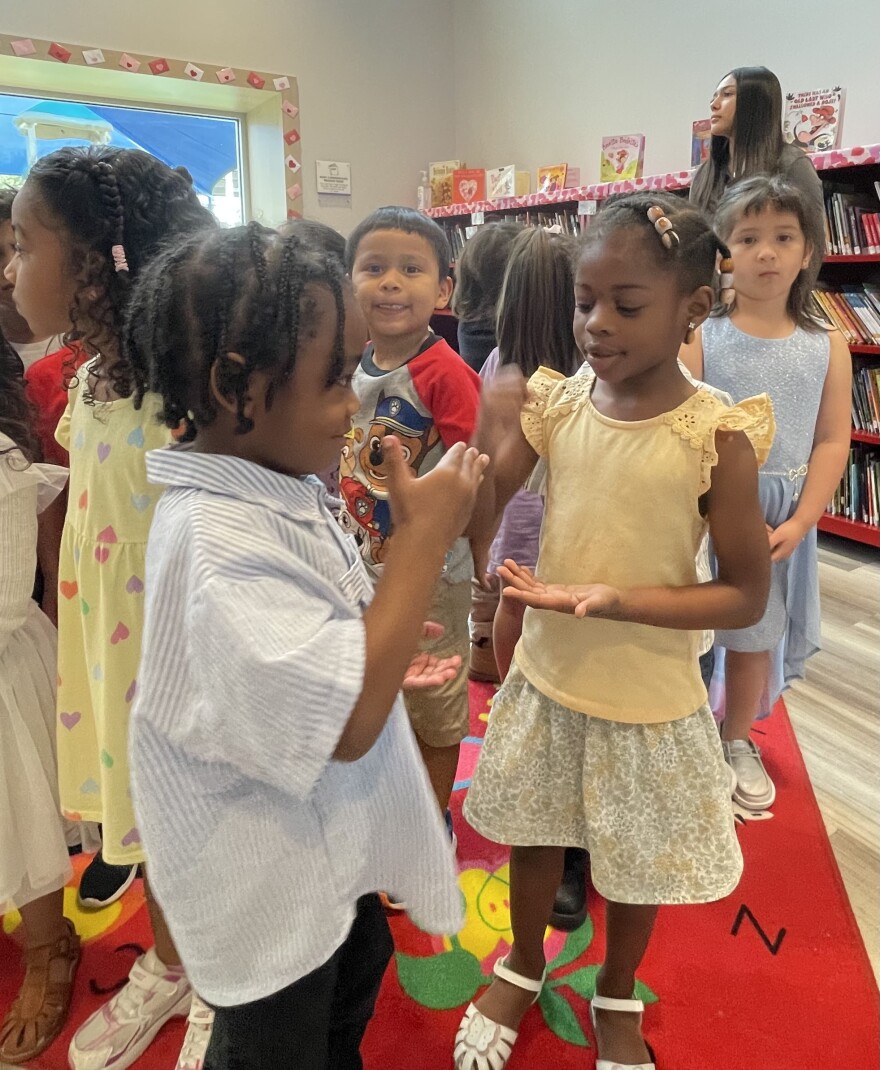
On All in for Early Learning Day, the Guadalupe Center’s von Otterloo Campus for Learning in Immokalee celebrated the achievements of its pre-kindergarten students. The center is one of five locations serving 550 children from infancy to age five, with approximately 100 enrolled in voluntary pre-kindergarten (VPK) programs designed to prepare children for kindergarten.
Kindergarten Readiness and Sustainable Development Goals (SDGs)
The Guadalupe Center’s pre-K program boasts a remarkable 93% kindergarten readiness rate, significantly surpassing the statewide average of 44% for Florida’s youngest students. This achievement aligns with the United Nations Sustainable Development Goal 4 (Quality Education), which emphasizes inclusive and equitable quality education and promotes lifelong learning opportunities for all.
Comparative Readiness Rates Across Florida Counties
- Lee County: 38% readiness (FAST test, 2024-2025)
- Collier County: 46% readiness
- Manatee and Charlotte Counties: 45% readiness
- Okeechobee County: 28% readiness
- DeSoto County: 16% readiness
These figures highlight disparities in early childhood education access and quality, underscoring the need for targeted interventions to achieve SDG 10 (Reduced Inequalities).
Challenges in Early Childhood Education
- VPK programs in Florida offer only half-day sessions, creating childcare challenges for working parents.
- Declining enrollment in VPK, from 80% a decade ago to 66% in 2024-2025, limits access to early education.
- Financial constraints affect families’ ability to afford full-day childcare, impacting children’s readiness for school.
These challenges relate to SDG 8 (Decent Work and Economic Growth) by affecting parents’ ability to participate fully in the workforce due to childcare limitations.
Assessment and Trends in Kindergarten Readiness
- The Florida Assessment of Student Thinking (FAST) test, implemented in 2022-2023, currently measures kindergarten readiness.
- Historical data shows a decline in readiness rates from 54% in 2017 to 44% in 2024, reflecting systemic issues.
- Higher benchmarks set by the Florida Department of Education have contributed to lower reported readiness rates.
These trends emphasize the importance of continuous monitoring and improvement in early education quality, supporting SDG 4.
Importance of Early Childhood Development
Experts emphasize that by age five, 90% of a child’s brain development is complete, making early learning critical for future academic success and social-emotional skills. Children who enter kindergarten ready are more likely to pass third-grade reading tests and graduate on time, contributing to lifelong learning and economic productivity.
This focus aligns with SDG 3 (Good Health and Well-being) and SDG 4 by promoting healthy development and quality education from an early age.
Funding and Support for Early Learning
- The Guadalupe Center relies on philanthropy for 63% of its operational costs beyond state-funded VPK.
- Childcare fees are adjusted on a sliding scale, with many families receiving financial assistance.
- State and federal programs, such as the Early Learning Coalition of Southwest Florida, support enrollment and childcare affordability.
These funding mechanisms contribute to SDG 1 (No Poverty) and SDG 10 by improving access to education for low-income families.
Conclusion
The Guadalupe Center’s success in preparing children for kindergarten demonstrates the positive impact of quality early childhood education on achieving Sustainable Development Goals, particularly SDG 4. Addressing systemic challenges such as limited VPK hours and childcare affordability is essential to improve readiness rates statewide and build a stronger future workforce, supporting SDG 8 and SDG 10.
1. Sustainable Development Goals (SDGs) Addressed or Connected
- SDG 4: Quality Education
- The article focuses on early childhood education, kindergarten readiness, and access to pre-kindergarten programs, which directly relate to SDG 4’s aim to ensure inclusive and equitable quality education and promote lifelong learning opportunities for all.
- SDG 1: No Poverty
- Issues related to family budgets, affordability of childcare, and sliding scale fees highlight economic challenges faced by families, linking to SDG 1’s goal to end poverty in all its forms.
- SDG 8: Decent Work and Economic Growth
- The article mentions how childcare challenges affect parents’ ability to work, connecting to SDG 8’s target to promote sustained, inclusive economic growth and full productive employment.
- SDG 10: Reduced Inequalities
- The focus on voluntary pre-K access regardless of family income and assistance for low-income parents addresses inequalities in education and childcare access.
2. Specific Targets Under Those SDGs Identified
- SDG 4: Quality Education
- Target 4.2: Ensure that all girls and boys have access to quality early childhood development, care and pre-primary education so that they are ready for primary education.
- Target 4.1: Ensure that all girls and boys complete free, equitable and quality primary and secondary education leading to relevant and effective learning outcomes.
- SDG 1: No Poverty
- Target 1.2: Reduce at least by half the proportion of men, women and children living in poverty in all its dimensions according to national definitions.
- SDG 8: Decent Work and Economic Growth
- Target 8.5: Achieve full and productive employment and decent work for all women and men, including young people and persons with disabilities, and equal pay for work of equal value.
- SDG 10: Reduced Inequalities
- Target 10.2: Empower and promote the social, economic and political inclusion of all, irrespective of age, sex, disability, race, ethnicity, origin, religion or economic or other status.
3. Indicators Mentioned or Implied to Measure Progress
- Kindergarten Readiness Rates
- The article provides specific percentages of children deemed “kindergarten-ready” based on assessments such as the FAST test, Florida Kindergarten Readiness Screener, FAIR, and Work Sampling System. These readiness rates serve as indicators to measure progress toward early childhood education targets.
- Enrollment Rates in Voluntary Pre-Kindergarten (VPK)
- Enrollment percentages of 4-year-olds in VPK programs (e.g., 66% in 2024-2025) are used as indicators of access to early childhood education.
- Childcare Affordability and Accessibility
- While not quantified, the article implies indicators related to the availability and affordability of childcare, such as the proportion of families struggling to afford childcare and the use of sliding scale fees and assistance programs.
- Standardized Testing Scores
- The FAST test scores are used to assess readiness, which is a measurable indicator of educational outcomes for young children.
4. Table of SDGs, Targets and Indicators
| SDGs | Targets | Indicators |
|---|---|---|
| SDG 4: Quality Education |
|
|
| SDG 1: No Poverty |
|
|
| SDG 8: Decent Work and Economic Growth |
|
|
| SDG 10: Reduced Inequalities |
|
|
Source: wgcu.org
What is Your Reaction?
 Like
0
Like
0
 Dislike
0
Dislike
0
 Love
0
Love
0
 Funny
0
Funny
0
 Angry
0
Angry
0
 Sad
0
Sad
0
 Wow
0
Wow
0