















































How do enrollees with private health insurance use remote monitoring technologies? – healthsystemtracker.org
Report on Remote Health Monitoring and its Contribution to Sustainable Development Goals
Executive Summary
This report analyzes the utilization, demographic patterns, duration, and cost of remote health monitoring services—specifically Remote Physiologic Monitoring (RPM) and Remote Therapeutic Monitoring (RTM)—among commercially insured adults in 2023. The findings are contextualized within the framework of the United Nations Sustainable Development Goals (SDGs), particularly SDG 3 (Good Health and Well-being), SDG 9 (Industry, Innovation, and Infrastructure), and SDG 10 (Reduced Inequalities). The analysis reveals that while digital health tools represent a significant innovation for managing non-communicable diseases (NCDs) and advancing universal health coverage (UHC), their current adoption remains limited, indicating a substantial opportunity for expansion to achieve global health targets.
Analysis of Remote Monitoring in the Context of SDG 3: Good Health and Well-being
The integration of RPM and RTM into healthcare delivery directly supports the achievement of SDG 3, which aims to ensure healthy lives and promote well-being for all at all ages. These technologies are pivotal for addressing Target 3.4, which focuses on reducing premature mortality from NCDs.
Utilization Patterns and Management of Non-Communicable Diseases (Target 3.4)
In 2023, an estimated 300,000 adults with employer-sponsored insurance utilized remote monitoring, representing 0.3% of the eligible population. This highlights a critical area for growth in leveraging technology for health outcomes.
- Remote Physiologic Monitoring (RPM): Primarily used for managing NCDs, directly aligning with SDG 3.4.
- 47% of RPM users had diagnoses for monitoring circulatory signs.
- 31% of RPM users had diagnoses for treating hypertension and circulatory diseases.
- Remote Therapeutic Monitoring (RTM): Focused on improving quality of life and well-being.
- 73% of RTM users had diagnoses for musculoskeletal disorders.
- 8% of RTM users had diagnoses for central nervous system pain disorders.
Duration of Care and Sustained Health Management
Effective management of chronic conditions, a cornerstone of SDG 3, requires sustained intervention. The duration of remote monitoring varies by condition, reflecting tailored approaches to care.
- RPM Duration: The average duration for managing hypertension and circulatory diseases was approximately 6.0 months, indicating a commitment to long-term NCD management. Monitoring for diabetes lasted an average of 6.2 months.
- RTM Duration: The average duration across all diagnoses was 1.9 months, with longer periods for conditions requiring sustained therapeutic oversight, such as respiratory disorders (4.1 months) and pain disorders (3.6 months).
Demographics and SDG 10: Reduced Inequalities
Understanding who uses remote monitoring is essential for ensuring equitable access to healthcare innovations, a key principle of SDG 10. The data reveals specific demographic trends among users.
User Demographics
- Age: Users of remote monitoring were, on average, older than non-users (average age of 51 for RPM and 47 for RTM, compared to 41 for non-users). This suggests that digital health technology is effectively reaching older populations who often have a higher burden of chronic disease, thereby promoting health equity across age groups.
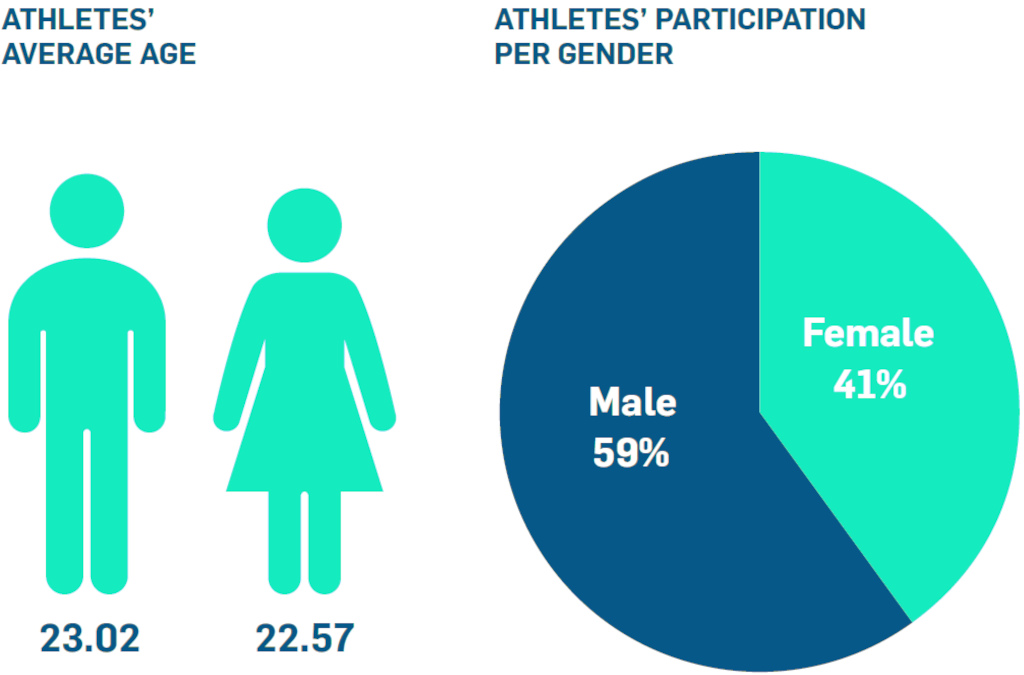
- Gender: Users were more likely to be female, indicating a potential area for further study to ensure equitable access and uptake across all genders.
Economic Analysis in Relation to SDG 3.8: Universal Health Coverage
Achieving UHC (Target 3.8) involves ensuring access to quality essential health services while protecting against financial hardship. The cost structure of remote monitoring provides insights into its financial accessibility.
Service Costs and Payments
- Median Monthly Cost Per Patient:
- RPM: $55
- RTM: $78
- Cost Variation: Spending is significantly higher in the initial “set-up month” for RPM ($348 median) compared to subsequent “maintenance months” ($49 median), reflecting the initial investment in equipment and patient education.
Out-of-Pocket Costs and Financial Protection
Low direct costs for patients are crucial for maintaining financial protection under UHC.
- The average monthly out-of-pocket cost per patient was $12 for RPM and $21 for RTM.
- These modest costs suggest that remote monitoring services are not imposing a significant financial burden on insured individuals, which aligns with the financial risk protection component of SDG 3.8.
Innovation and Infrastructure: Aligning with SDG 9
The use of RPM and RTM is a direct application of technological innovation to solve societal challenges, a core objective of SDG 9. This analysis underscores the role of digital infrastructure in modernizing healthcare delivery.
Technological Advancement in Healthcare
- Remote monitoring represents a critical upgrade to healthcare infrastructure, moving beyond traditional clinical settings to provide continuous, data-driven care.
- The partnership between commercial payers, providers, and technology firms to deliver these services exemplifies the multi-stakeholder collaborations needed to advance SDG 9 by enhancing technological capabilities within the health sector.
Analysis of Sustainable Development Goals in the Article
1. Which SDGs are addressed or connected to the issues highlighted in the article?
-
SDG 3: Good Health and Well-being
- The article’s primary focus is on digital health tools—Remote Physiologic Monitoring (RPM) and Remote Therapeutic Monitoring (RTM)—used for managing various health conditions. It directly relates to ensuring healthy lives by discussing innovative methods for healthcare delivery and management of non-communicable diseases like hypertension, circulatory diseases, and musculoskeletal disorders.
-
SDG 9: Industry, Innovation, and Infrastructure
- The article examines the adoption and application of a specific technological innovation (digital remote monitoring) within the healthcare industry. It analyzes usage patterns, costs, and the infrastructure (insurance coverage, payment models) supporting these new technologies, which aligns with fostering innovation and upgrading technological capabilities in key sectors.
-
SDG 10: Reduced Inequalities
- The article touches upon inequalities in access to these health services. It highlights demographic differences, noting that users are “mainly older and more likely to be female.” It also points out disparities in coverage policies between commercial insurers and Traditional Medicare, where commercial plans are more restrictive, potentially limiting access for certain populations.
2. What specific targets under those SDGs can be identified based on the article’s content?
-
Target 3.4: Reduce by one third premature mortality from non-communicable diseases through prevention and treatment and promote mental health and well-being.
- The article details how RPM and RTM are used for the treatment and management of non-communicable diseases. For instance, it states that RPM is most commonly used for “monitoring for circulatory conditions (47%) or treating hypertension and circulatory diseases (31%),” and RTM is used for “management of musculoskeletal disorders (73%).” This directly contributes to the treatment aspect of this target.
-
Target 3.8: Achieve universal health coverage, including financial risk protection, access to quality essential health-care services and access to safe, effective, quality and affordable essential medicines and vaccines for all.
- The article explores access to and the cost of remote monitoring services. It quantifies the financial burden on patients, stating, “The average monthly out-of-pocket cost per patient for remote physiologic monitoring is $12” and “$21 per month” for RTM. This analysis of out-of-pocket costs relates directly to financial risk protection. The discussion of varying coverage policies between commercial plans and Medicare also addresses the theme of achieving universal access to healthcare services.
-
Target 9.5: Enhance scientific research, upgrade the technological capabilities of industrial sectors in all countries…encouraging innovation.
- The article represents an analysis of the adoption of a technological innovation in the healthcare sector. By examining “patterns in outpatient RPM and RTM use,” who uses them, for what conditions, and at what cost, the article contributes to the body of research on the real-world application and integration of digital health technologies, which is essential for upgrading the sector’s capabilities.
-
Target 10.2: By 2030, empower and promote the social, economic and political inclusion of all, irrespective of age, sex, disability, race, ethnicity, origin, religion or economic or other status.
- The article provides data on the demographics of users, noting that “enrollees who use remote monitoring are mainly older and more likely to be female.” This data can be used to assess whether the adoption of this technology is inclusive across different age and gender groups. The comparison of restrictive commercial insurance coverage versus “more expansive coverage” under Medicare highlights a structural factor that could lead to exclusion based on economic or employment status.
3. Are there any indicators mentioned or implied in the article that can be used to measure progress towards the identified targets?
-
Indicators for Target 3.4 (Non-communicable diseases)
- Prevalence of remote monitoring for specific chronic diseases: The article provides specific data points that can serve as indicators of technology-based disease management. For example, “47% of all enrollees with any RPM claims” had diagnoses for circulatory conditions, and “73%” of RTM users had diagnoses for musculoskeletal disorders. These percentages measure the extent to which these tools are being applied to manage key non-communicable diseases.
-
Indicators for Target 3.8 (Universal health coverage)
- Out-of-pocket health expenditure: The article directly measures the financial burden on patients by stating the “average monthly out-of-pocket cost per patient” is $12 for RPM and $21 for RTM. This is a direct indicator of financial risk associated with accessing these services.
- Service coverage and utilization rate: The article indicates that in 2023, an “estimated 300,000 adult enrollees” used these services, representing “0.3% of all adult enrollees.” This utilization rate serves as an indicator of the current level of access and coverage for this specific health service within the insured population.
-
Indicators for Target 9.5 (Innovation)
- Adoption rate of new technologies: The figure of “300,000 adult enrollees” receiving at least one remote monitoring claim is a direct measure of the adoption and scale of this digital health innovation within the commercial insurance market.
-
Indicators for Target 10.2 (Reduced inequalities)
- Demographic breakdown of service users: The article provides data on the age and sex of users, stating the average age for RPM users is 51 and they are “more likely to be female.” This data serves as an indicator to monitor whether access to this health innovation is equitable across different demographic groups.
4. Summary of Findings
| SDGs | Targets | Indicators |
|---|---|---|
| SDG 3: Good Health and Well-being | Target 3.4: Reduce premature mortality from non-communicable diseases through prevention and treatment. |
|
| Target 3.8: Achieve universal health coverage, including financial risk protection and access to quality essential health-care services. |
|
|
| SDG 9: Industry, Innovation, and Infrastructure | Target 9.5: Enhance scientific research and upgrade the technological capabilities of industrial sectors. |
|
| SDG 10: Reduced Inequalities | Target 10.2: Promote the social inclusion of all, irrespective of age, sex, or other status. |
|
Source: healthsystemtracker.org
What is Your Reaction?
 Like
0
Like
0
 Dislike
0
Dislike
0
 Love
0
Love
0
 Funny
0
Funny
0
 Angry
0
Angry
0
 Sad
0
Sad
0
 Wow
0
Wow
0