How to make sure water is safe to drink: four practical tips – The Conversation

Report on Drinking Water Quality and Availability in South Africa: Emphasizing Sustainable Development Goals
Introduction
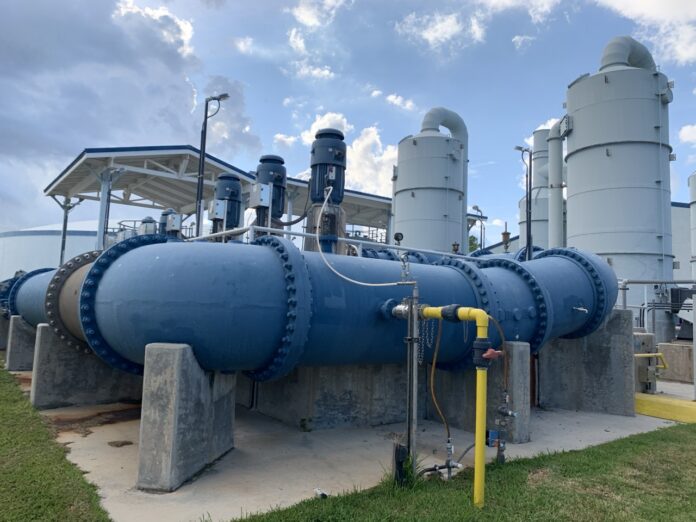
Water is an essential resource for life on Earth, with safe drinking water being critical for health and well-being. Concerns regarding the declining quality and availability of municipal drinking water in South Africa have been escalating, impacting urban populations and triggering social unrest. This report highlights the challenges faced in water quality and supply, methods for water purification during emergencies, and the implications for achieving the Sustainable Development Goals (SDGs), particularly SDG 6 (Clean Water and Sanitation).
Challenges in Drinking Water Quality and Availability
Current Situation in South Africa
- Widespread issues with water quality and availability have been documented across urban areas, leading to protests in cities such as eThekwini and Johannesburg.
- Major contaminants include disease-causing pathogens and toxic chemicals, threatening the safety of drinking water.
- Water scarcity affects not only drinking but also essential hygiene practices, impacting health outcomes.
Factors Contributing to Water Quality Decline
- Aging and defective infrastructure.
- Inadequate water and sewage treatment facilities.
- Poorly trained personnel managing water systems.
- Uncontrolled pollution sources.
Official Data and Reports
- The 2023 Blue Drop Report indicated a decline in water supply systems achieving high-quality scores, with only 26 systems reaching approximately 95% compliance, down from 44 in 2014.
- 29% of water supply systems were classified as being in a critical state nationwide.
- AfriForum’s 2024 independent testing showed that 87% of municipal water met safety standards, a decrease from 96% in the previous year.
Water Purification Methods for Emergency Situations
Given the impracticality of purifying all daily water at home, the following emergency methods are recommended to ensure safe drinking water, aligning with SDG 6 targets to improve water quality:
- Simple Filtration: Pour water through a sieve lined with paper towels or dishcloths to remove particulates. Replace or thoroughly clean the filter material regularly.
- Boiling: Boil filtered water for at least 3 minutes to eliminate pathogens. Note that boiling does not remove chemical contaminants.
- Bleach Treatment: Add 5 ml of unscented household bleach (3.5% sodium hypochlorite) per 25 litres of water, mix well, cover, and let stand for two hours to disinfect.
- Solar Disinfection (SODIS): Expose water-filled glass or plastic bottles to direct sunlight for 6 hours (or up to 2 days if overcast) to use ultraviolet radiation and heat for disinfection.
Water Availability and Management Challenges
Impact of Water Scarcity
- Water outages have become frequent due to climate change-induced droughts, population growth, and poor infrastructure management.
- Municipalities have resorted to water shedding, throttling, and rationing to manage limited supplies.
- These measures affect hygiene, health, and overall living standards, hindering progress toward SDG 3 (Good Health and Well-being) and SDG 6.
Future Projections
The Department of Water and Sanitation’s 2024 report warns that provinces such as Gauteng and the Western Cape will face increasing water scarcity driven by population growth and migration, emphasizing the urgent need for sustainable water management aligned with SDG 11 (Sustainable Cities and Communities) and SDG 13 (Climate Action).
Conclusion and Recommendations
Addressing South Africa’s drinking water challenges is critical for achieving the Sustainable Development Goals, particularly SDG 6. Efforts must focus on:
- Upgrading and maintaining water infrastructure to ensure consistent and safe water supply.
- Enhancing water treatment and pollution control measures.
- Educating communities on emergency water purification techniques.
- Implementing sustainable water management policies to mitigate scarcity and support urban resilience.
These actions are essential to safeguard public health, promote social stability, and ensure equitable access to clean water for all citizens.
1. Sustainable Development Goals (SDGs) Addressed or Connected
- SDG 6: Clean Water and Sanitation
- The article focuses extensively on issues related to water quality, availability, and sanitation in South Africa.
- Concerns about declining water quality, water contamination, and water outages directly relate to ensuring availability and sustainable management of water and sanitation for all.
- SDG 3: Good Health and Well-being
- Unsafe drinking water and waterborne pathogens threaten public health, linking the article to SDG 3, which aims to ensure healthy lives and promote well-being.
- SDG 11: Sustainable Cities and Communities
- Urban water supply challenges, including service delivery protests in cities like eThekwini and Johannesburg, connect to making cities inclusive, safe, resilient, and sustainable.
- SDG 13: Climate Action
- The article mentions climate change-induced droughts contributing to water scarcity, linking to climate action.
2. Specific Targets Under Those SDGs
- SDG 6 Targets
- 6.1: Achieve universal and equitable access to safe and affordable drinking water for all.
- 6.3: Improve water quality by reducing pollution, eliminating dumping, and minimizing release of hazardous chemicals and materials.
- 6.4: Increase water-use efficiency across all sectors to ensure sustainable withdrawals and supply.
- 6.b: Support and strengthen the participation of local communities in improving water and sanitation management.
- SDG 3 Targets
- 3.3: End epidemics of waterborne diseases and other communicable diseases.
- SDG 11 Targets
- 11.6: Reduce the adverse per capita environmental impact of cities, including air quality and waste management (which includes water management).
- SDG 13 Targets
- 13.1: Strengthen resilience and adaptive capacity to climate-related hazards and natural disasters.
3. Indicators Mentioned or Implied to Measure Progress
- Water Quality Indicators
- Blue Drop score of water supply systems (e.g., percentage of systems achieving a score of around 95%).
- Percentage of municipal drinking water safe for human consumption (e.g., 87% safe in 2024, down from 96% in 2023).
- Number or percentage of water supply systems in critical state (e.g., 29% identified as critical).
- Water Availability Indicators
- Frequency and duration of water outages or disruptions.
- Extent of water rationing, shedding, or throttling measures implemented.
- Population affected by water scarcity, especially in provinces like Gauteng and Western Cape.
- Health Indicators
- Incidence of waterborne diseases linked to contaminated water.
- Climate Impact Indicators
- Measures of drought frequency and severity affecting water supply.
4. Table of SDGs, Targets, and Indicators
| SDGs | Targets | Indicators |
|---|---|---|
| SDG 6: Clean Water and Sanitation |
|
|
| SDG 3: Good Health and Well-being |
|
|
| SDG 11: Sustainable Cities and Communities |
|
|
| SDG 13: Climate Action |
|
|
Source: theconversation.com
What is Your Reaction?
 Like
0
Like
0
 Dislike
0
Dislike
0
 Love
0
Love
0
 Funny
0
Funny
0
 Angry
0
Angry
0
 Sad
0
Sad
0
 Wow
0
Wow
0