





















































In Abortion Ban States, Women Get Second-Class Healthcare—Across *All* Specialties – Ms. Magazine
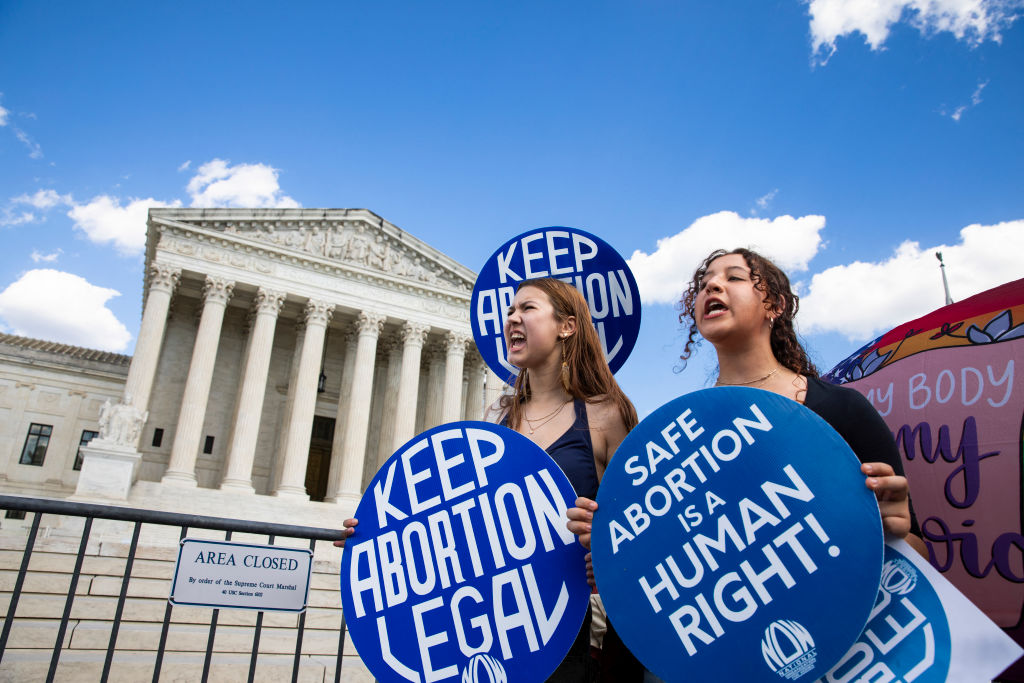
Impact of Abortion Bans on Sustainable Development Goals for Health and Equality
A report from Physicians for Human Rights (PHR), titled “Cascading Harms: How Abortion Bans Lead to Discriminatory Care Across Medical Specialties,” details how the overturning of federal abortion protections in the United States is undermining key Sustainable Development Goals (SDGs). Based on interviews with 33 physicians across diverse specialties, the findings indicate that restrictive abortion laws create a public health crisis that compromises patient care, exacerbates inequality, and weakens healthcare institutions, directly contravening global health and human rights standards.
Undermining SDG 3: Good Health and Well-being
The implementation of abortion bans has had a direct and negative impact on the provision of quality healthcare, a cornerstone of SDG 3. The report documents a widespread “chilling effect” that results in substandard care for patients, regardless of whether they are seeking an abortion.
Compromised Standards of Medical Care
Physicians in specialties including oncology, dermatology, neurology, and cardiology report being hindered from following evidence-based practices and established standards of care. This deviation from best practices manifests in several ways:
- Delaying or altering necessary medical treatments, such as chemotherapy for pregnant cancer patients, to avoid potential harm to a fetus, even at the expense of the patient’s health.
- Withholding prescriptions for the most effective medications if they are teratogenic (potentially harmful to a fetus). For example, dermatologists are reportedly not prescribing Accutane to women of reproductive age.
- Offering less-effective alternative treatments to avoid discussions about abortion, thereby failing to provide patients with the highest standard of care.
Violations of SDG 5 (Gender Equality) and SDG 10 (Reduced Inequalities)
The report highlights how abortion bans institutionalize discriminatory medical practices, undermining the goals of achieving gender equality (SDG 5) and reducing inequalities (SDG 10).
Systemic Discrimination in Treatment
The research identifies two primary forms of discrimination resulting from these laws:
- Discrimination based on sex: Women of reproductive age are systematically denied access to the most effective treatments that are readily available to men, creating a clear disparity in healthcare outcomes based on gender.
- Discrimination among women: Physicians report making subjective assessments of a patient’s “contraceptive reliability” before prescribing certain medications. This practice leads to biased decision-making, where marginalized groups are often deemed less reliable and consequently denied necessary and effective treatment, further entrenching social and health inequalities.
Exacerbating Health Disparities
The consequences of these bans disproportionately affect marginalized and low-income populations who cannot afford to travel out-of-state for care. This reality widens existing health disparities, directly opposing the objective of SDG 10 to ensure equal opportunity and reduce inequalities of outcome.
Detrimental Effects on SDG 16: Justice and Strong Institutions
The legal frameworks of abortion bans are shown to weaken healthcare systems, which are critical institutions for a just and peaceful society (SDG 16).
Erosion of Medical Ethics and Professional Integrity
Clinicians are placed in an untenable position, forced to choose between their ethical obligations to provide the best possible care for their patients and their legal obligation to comply with state law. This conflict leads to:
- Significant moral distress among healthcare professionals.
- Violations of patient rights and breaches of established medical ethics.
- An environment where physicians are mandated by the state to act against their patients’ best interests.
Weakening Healthcare Infrastructure
The hostile environment created by these laws is contributing to an exodus of medical specialists—not limited to OB-GYNs—from states with restrictive bans. This “brain drain” exacerbates existing healthcare shortages and contributes to the expansion of “maternity care deserts,” weakening the institutional capacity to provide essential health services and undermining the stability and effectiveness of the entire healthcare system.
Analysis of the Article in Relation to Sustainable Development Goals
-
Which SDGs are addressed or connected to the issues highlighted in the article?
The article highlights issues that are directly connected to several Sustainable Development Goals (SDGs). The analysis points to the following SDGs:
- SDG 3: Good Health and Well-being: The central theme of the article is the detrimental impact of abortion bans on healthcare. It explicitly states that these bans trigger a “public health crisis,” lead to “substandard care,” and hinder physicians’ ability to “follow evidence-based practices and standards of care.” The article provides examples from oncology, dermatology, and other specialties where patients are not prescribed the “best treatment” or face delays in care due to the legal risks associated with abortion, directly undermining the goal of ensuring healthy lives and well-being.
- SDG 5: Gender Equality: The article clearly identifies the discriminatory nature of the abortion bans. It quotes a finding of “discrimination against all reproductive-age people with pregnancy potential, most women, compared to men.” Furthermore, it describes a second layer of discrimination “within reproductive-age women,” where “marginalized groups [are] less likely to get necessary, effective treatment” based on subjective assessments. This directly relates to achieving gender equality and ensuring universal access to sexual and reproductive health and rights.
- SDG 10: Reduced Inequalities: The article emphasizes that abortion bans “exacerbate existing health disparities” and endanger “already marginalized populations.” It points out the inequality faced by patients who “can’t afford to cross the state line” for care, leaving them with “no other way to seek care.” This directly addresses the goal of reducing inequalities in access to services and outcomes, particularly for vulnerable and marginalized groups.
- SDG 16: Peace, Justice and Strong Institutions: The article notes that the U.S. is now in “clear violation of international law and globally recognized health and human rights standards.” It describes how the bans have created a “legally ambiguous and dynamic environment” for physicians, putting them in an “impossible situation” where they are mandated by the state to act against their patients’ best interests and violate medical ethics. This undermines the rule of law and the integrity of health institutions.
-
What specific targets under those SDGs can be identified based on the article’s content?
Based on the issues discussed, the following specific SDG targets are relevant:
- Target 3.7: “By 2030, ensure universal access to sexual and reproductive health-care services…” The article’s entire focus is on the restriction of abortion, which is a critical component of sexual and reproductive healthcare. The bans directly contravene the principle of universal access.
- Target 3.8: “Achieve universal health coverage, including… access to quality essential health-care services…” The article demonstrates how abortion bans degrade the quality of healthcare. Physicians report being unable to provide the “highest standard of evidence-based ethical care,” resulting in “substandard care” and the use of “less-effective medications” for women, which is a failure to provide quality essential services.
- Target 5.6: “Ensure universal access to sexual and reproductive health and reproductive rights…” The article frames the issue as a violation of “human rights standards” and describes how the bans deny women control over their reproductive health, which is central to this target. The inability to discuss or access abortion care is a direct denial of reproductive rights.
- Target 10.3: “Ensure equal opportunity and reduce inequalities of outcome, including by eliminating discriminatory laws, policies and practices…” The article identifies the abortion bans as “draconian laws” that explicitly lead to “discriminatory care” and “discriminatory treatment” against women in general and “marginalized groups” in particular, making this target highly relevant.
-
Are there any indicators mentioned or implied in the article that can be used to measure progress towards the identified targets?
The article implies several indicators that could be used to measure the impact of the issues discussed:
- Indicator related to SDG Target 5.6.2 (Number of countries with laws and regulations that guarantee full and equal access to women and men… to sexual and reproductive health care): The article is fundamentally about the existence and impact of laws that restrict, rather than guarantee, access to reproductive healthcare. The number of states with abortion bans serves as a direct, albeit negative, measure for this indicator within the U.S. context.
- Implied Indicator – Disparities in Health Treatment and Outcomes: The article suggests a clear disparity in care. An indicator could be the difference in prescription rates for certain teratogenic medications (like Accutane) between male and female patients of reproductive age. Another could be tracking health outcomes (e.g., cancer treatment delays, mortality rates for chronic conditions exacerbated by pregnancy) for women in states with bans versus those without. The article states that “men are getting the treatment, but the reproductive-age women are not,” which is a measurable disparity.
- Implied Indicator – Physician and Healthcare Provider Exodus: The article explicitly mentions the “exodus of other specialties, besides OB-GYNs from states” with abortion bans. A measurable indicator would be the net change in the number of licensed physicians (by specialty) in states with restrictive laws. This directly relates to the growth of “maternity care deserts” and broader “medical care deserts.”
-
Create a table with three columns titled ‘SDGs, Targets and Indicators” to present the findings from analyzing the article.
SDGs Targets Indicators SDG 3: Good Health and Well-being Target 3.7: Ensure universal access to sexual and reproductive health-care services. Target 3.8: Achieve universal health coverage and access to quality essential health-care services.
– Prevalence of “substandard care” and use of “less-effective medications” for women in states with bans.
– Rates of delayed medical treatments (e.g., for cancer) for pregnant patients.SDG 5: Gender Equality Target 5.6: Ensure universal access to sexual and reproductive health and reproductive rights. – Number of states with laws restricting access to abortion care (related to Indicator 5.6.2).
– Disparities in prescribing patterns for teratogenic medications between men and women of reproductive age.SDG 10: Reduced Inequalities Target 10.3: Ensure equal opportunity and reduce inequalities of outcome by eliminating discriminatory laws. – Disparities in access to standard-of-care treatments between women in general and “marginalized groups” specifically.
– Data on patients unable to travel out-of-state for necessary medical care.SDG 16: Peace, Justice and Strong Institutions – (Implicit) Promote the rule of law and ensure equal access to justice. – Number of physicians leaving states with restrictive abortion laws (“exodus of other specialties”).
– Growth of designated “medical care deserts” in states with bans.
Source: msmagazine.com
What is Your Reaction?
 Like
0
Like
0
 Dislike
0
Dislike
0
 Love
0
Love
0
 Funny
0
Funny
0
 Angry
0
Angry
0
 Sad
0
Sad
0
 Wow
0
Wow
0