
























































Industrial Wastewater Treatment Market Poised for Steady – openPR.com
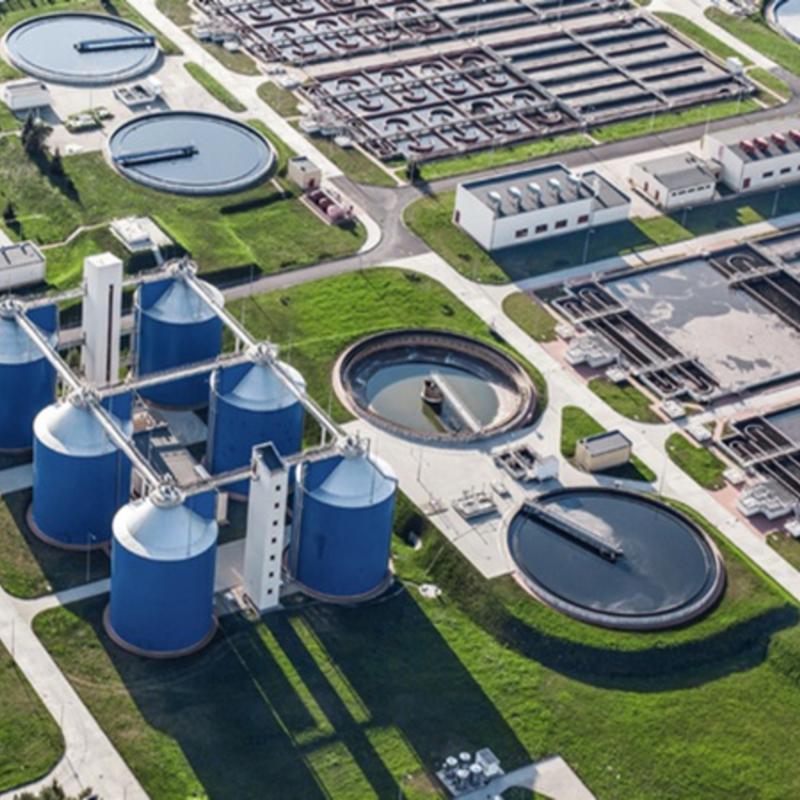
Industrial Wastewater Treatment Market Report with Emphasis on Sustainable Development Goals (SDGs)
Market Overview
The global Industrial Wastewater Treatment market is gaining strategic importance as industries worldwide address increasing water stress, stringent environmental regulations, and the urgent need for sustainable water management practices. Valued at USD 14.53 billion in 2023, the market is projected to reach USD 22.15 billion by 2030, growing at a compound annual growth rate (CAGR) of 6.2%.
Industrial wastewater treatment involves the systematic removal of contaminants, organic matter, and hazardous substances from wastewater generated during industrial processes. This ensures effluents meet regulatory discharge standards before release or reuse, aligning with SDG 6: Clean Water and Sanitation and SDG 12: Responsible Consumption and Production.
With nearly 80% of global wastewater discharged untreated, the environmental, public health, and climate risks are critical concerns, highlighting the importance of sustainable water management to achieve SDG 3: Good Health and Well-being and SDG 13: Climate Action.
Market Size and Forecast
The market growth is driven by the adoption of advanced wastewater treatment technologies across water-intensive industries such as food and beverage, oil and gas, chemicals, mining, power generation, pharmaceuticals, and pulp and paper. Key segments include:
- Chemicals Segment: Demand for treatment chemicals like coagulants, flocculants, corrosion inhibitors, biocides, and pH stabilizers supports treatment efficiency and regulatory compliance.
- Equipment and Technology Segment: Adoption of membrane separation systems, membrane bioreactors (MBRs), reverse osmosis units, sludge management, and dissolved air flotation systems is increasing.
These advancements contribute to sustainable industrial infrastructure, supporting SDG 9: Industry, Innovation, and Infrastructure.
Key Market Drivers and Trends
- Stringent Environmental Regulations: Regulations such as the EU Water Framework Directive, U.S. EPA Effluent Guidelines, India’s CPCB mandates, and China’s environmental action plans compel industries to adopt advanced treatment solutions, promoting SDG 16: Peace, Justice, and Strong Institutions.
- Resource Recovery and Zero Liquid Discharge (ZLD): ZLD systems enable near-total water recovery and waste minimization, supporting water reuse, cost savings, and compliance with strict discharge standards. This aligns with SDG 6 and SDG 12.
- Digitalization and Smart Technologies: IoT, automation, AI, and advanced analytics optimize treatment efficiency, reduce chemical use, and lower operational costs, advancing SDG 9.
- Green Hydrogen Production: The rise of green hydrogen as a clean energy source increases demand for high-purity water treatment and desalination, contributing to SDG 7: Affordable and Clean Energy.
Segmentation Analysis
- Technology: Biological treatment dominates, utilizing microorganisms to break down organic pollutants efficiently and cost-effectively. Technologies include activated sludge systems and membrane bioreactors.
- End-Use Industry: The food and beverage sector is expected to grow fastest due to rising global food production, high organic wastewater content, and emphasis on water reuse for operational efficiency.
Competitive Landscape
The market is highly competitive with global and regional players focusing on innovation, partnerships, and expansion. Key companies include:
- Ecolab Inc.
- SUEZ SA
- Kemira Oyj
- Kurita Water Industries Ltd.
- Alfa Laval AB
- Solenis LLC
- Evoqua Water Technologies
- Thermax Ltd.
- GEA Group
These companies invest in R&D and sustainable technologies, supporting SDG 9 and SDG 12.
Technological Advancements and Innovations
- Advanced membrane technologies such as reverse osmosis and membrane bioreactors improve water reuse capabilities.
- Innovations in sludge management, UV and ozone disinfection, dissolved air flotation, and hybrid treatment systems enhance performance while reducing energy consumption and environmental impact.
These innovations contribute to SDG 7, SDG 9, and SDG 13.
Market Drivers and Growth Factors
- Rising water scarcity and industrialization increase demand for sustainable water treatment.
- Strict regulatory enforcement encourages adoption of advanced treatment solutions.
- Growing emphasis on water recycling and sustainable “reduce-recycle-reuse” practices.
- Challenges include high installation and maintenance costs, but long-term savings and sustainability benefits prevail.
Regional Insights
- North America: Largest market share in 2023 due to strong regulations, high industrial water reuse demand, and major market players.
- Asia-Pacific: Expected to dominate future growth driven by rapid industrialization, population growth, and government investments in environmental protection, particularly in China and India.
These regional dynamics support SDG 8: Decent Work and Economic Growth and SDG 11: Sustainable Cities and Communities.
Conclusion
The industrial wastewater treatment market is integral to achieving multiple Sustainable Development Goals by promoting clean water access, sustainable industrial practices, innovation, and climate action. Continued investments in advanced technologies and regulatory compliance will drive market growth and contribute to global sustainability efforts.
1. Sustainable Development Goals (SDGs) Addressed or Connected
- SDG 6: Clean Water and Sanitation
- The article focuses on industrial wastewater treatment, which is directly related to ensuring availability and sustainable management of water and sanitation for all.
- Emphasis on reducing untreated wastewater discharge and promoting water reuse aligns with SDG 6 objectives.
- SDG 9: Industry, Innovation, and Infrastructure
- Adoption of advanced wastewater treatment technologies and digitalization (IoT, AI) supports sustainable industrialization and innovation.
- SDG 12: Responsible Consumption and Production
- Focus on resource recovery, Zero Liquid Discharge (ZLD) systems, and sustainable “reduce-recycle-reuse” practices reflect responsible consumption and production patterns.
- SDG 13: Climate Action
- Reducing environmental pollution and managing water resources sustainably contribute to climate resilience and mitigation efforts.
- SDG 14: Life Below Water
- Preventing contamination of water bodies by industrial effluents supports the conservation and sustainable use of aquatic ecosystems.
2. Specific Targets Under Identified SDGs
- SDG 6: Clean Water and Sanitation
- Target 6.3: Improve water quality by reducing pollution, minimizing release of hazardous chemicals and materials, and substantially increasing recycling and safe reuse globally.
- Target 6.4: Substantially increase water-use efficiency across all sectors and ensure sustainable withdrawals and supply of freshwater.
- SDG 9: Industry, Innovation, and Infrastructure
- Target 9.4: Upgrade infrastructure and retrofit industries to make them sustainable, with increased resource-use efficiency and greater adoption of clean and environmentally sound technologies.
- SDG 12: Responsible Consumption and Production
- Target 12.4: Achieve environmentally sound management of chemicals and all wastes throughout their life cycle to minimize adverse impacts on human health and the environment.
- Target 12.5: Substantially reduce waste generation through prevention, reduction, recycling, and reuse.
- SDG 13: Climate Action
- Target 13.1: Strengthen resilience and adaptive capacity to climate-related hazards and natural disasters in all countries.
- SDG 14: Life Below Water
- Target 14.1: Prevent and significantly reduce marine pollution of all kinds, particularly from land-based activities, including marine debris and nutrient pollution.
3. Indicators Mentioned or Implied to Measure Progress
- Proportion of wastewater safely treated
- The article mentions that nearly 80% of global wastewater is still discharged untreated, implying the importance of measuring the percentage of industrial wastewater treated to regulatory standards.
- Water reuse rate in industries
- Reference to water recycling and reuse systems indicates measuring the volume or percentage of water reused within industrial processes.
- Compliance rate with environmental regulations
- The article highlights regulatory frameworks and compliance enforcement, suggesting indicators related to the number or percentage of industries meeting effluent discharge standards.
- Adoption rate of advanced treatment technologies
- Indicators could include the market penetration or usage rates of technologies such as membrane bioreactors, reverse osmosis, and ZLD systems.
- Reduction in pollutant load discharged
- Implied by the focus on treatment efficiency and pollution control, measuring reductions in chemical oxygen demand (COD), biological oxygen demand (BOD), or hazardous substances in effluents.
- Energy consumption per unit of wastewater treated
- With mention of energy-efficient technologies and innovations, energy use intensity could serve as an indicator.
4. Table of SDGs, Targets, and Indicators
| SDGs | Targets | Indicators |
|---|---|---|
| SDG 6: Clean Water and Sanitation |
|
|
| SDG 9: Industry, Innovation, and Infrastructure |
|
|
| SDG 12: Responsible Consumption and Production |
|
|
| SDG 13: Climate Action |
|
|
| SDG 14: Life Below Water |
|
|
Source: openpr.com
What is Your Reaction?
 Like
0
Like
0
 Dislike
0
Dislike
0
 Love
0
Love
0
 Funny
0
Funny
0
 Angry
0
Angry
0
 Sad
0
Sad
0
 Wow
0
Wow
0