









































“Innovating the Future of Educational Attainment in the Coastal Bend” … Del Mar College holds second annual Superintendent Symposium to provide update, cover progress impacting Dual Enrollment Program – Del Mar College News
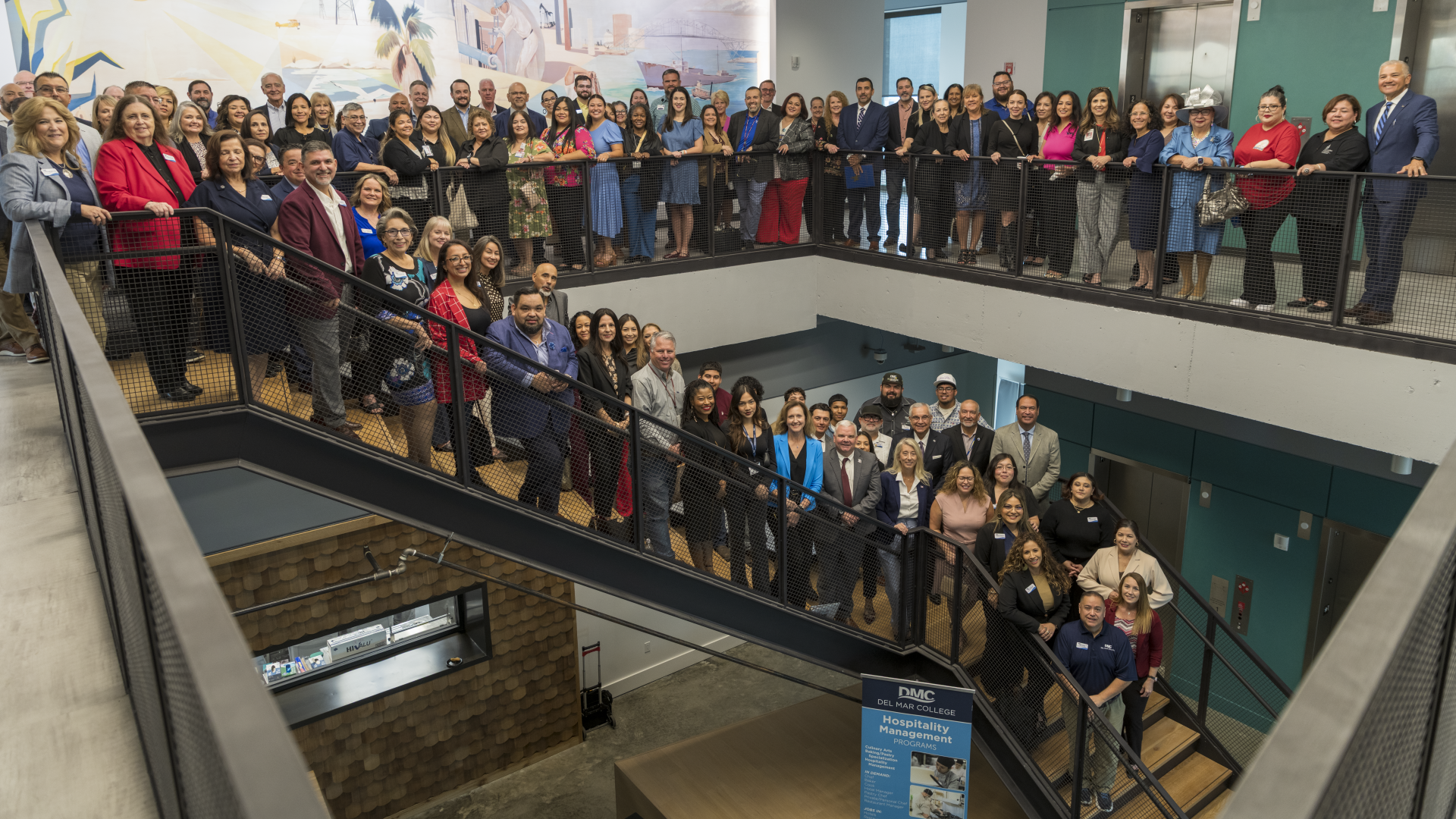
Report on Del Mar College’s Dual Enrollment Program and its Contribution to Sustainable Development Goals
Program Growth and Statistical Overview
Del Mar College’s Dual Enrollment Program has demonstrated significant growth, directly impacting access to higher education in the Coastal Bend region. Analysis of preliminary Fall 2025 enrollment data reveals substantial progress in expanding educational opportunities for high school students.
- Participant Growth: Credit student participation has increased by nearly 40%, from 2,628 students in Fall 2020 to 3,671 in Fall 2025.
- Enrollment Impact: Dual Enrollment students represent over 31% of the college’s total preliminary credit enrollment of 11,700 students.
- Skills-Based Training: An additional 1,390 high school students are pursuing Continuing Education courses designed to confer Marketable Skills Awards or professional licensure.
- Partnership Expansion: The number of participating educational partners has grown from 43 to 51, encompassing independent school districts (ISDs), parochial schools, charter schools, and home-schooled students.
Alignment with SDG 4: Quality Education
The program’s expansion and structure strongly align with the objectives of Sustainable Development Goal 4, which aims to ensure inclusive and equitable quality education and promote lifelong learning opportunities for all.
- Target 4.3 (Equal Access to Tertiary Education): By providing a direct pathway for high school students to access college-level courses, the program enhances equal access to affordable and quality tertiary education, giving participants a significant head start on their post-secondary journey.
- Target 4.4 (Relevant Skills for Employment): The enrollment of 1,390 students in Continuing Education courses for marketable skills directly addresses the goal of increasing the number of youth with relevant technical and vocational skills for employment, decent jobs, and entrepreneurship.
Broader Contributions to Sustainable Development
The program’s impact extends beyond SDG 4, contributing to other key global development objectives.
- SDG 8 (Decent Work and Economic Growth): By cultivating a more skilled and educated future workforce, the Dual Enrollment Program supports sustained, inclusive, and sustainable economic growth in the region.
- SDG 10 (Reduced Inequalities): The program’s wide reach across 51 diverse educational systems promotes equitable access to higher education opportunities, working to reduce educational and subsequent economic inequalities among youth in the community.
Which SDGs are addressed or connected to the issues highlighted in the article?
The following Sustainable Development Goals (SDGs) are relevant to the article:
-
SDG 4: Quality Education
The article’s central theme is the expansion of Del Mar College’s Dual Enrollment Program, which directly relates to ensuring inclusive and equitable quality education. The program provides high school students with “access to higher education” and opportunities to earn college credits and marketable skills, aligning with the goal of promoting lifelong learning opportunities.
-
SDG 8: Decent Work and Economic Growth
By offering courses that lead to “Marketable Skills Awards or licensure,” the program prepares students for the workforce. This focus on vocational and skills-based training contributes to promoting sustained, inclusive, and sustainable economic growth by equipping youth with relevant skills for future employment.
What specific targets under those SDGs can be identified based on the article’s content?
-
Target 4.3: Ensure equal access for all women and men to affordable and quality technical, vocational and tertiary education, including university.
- The article highlights that the Dual Enrollment Program provides “access to higher education” for 3,671 high school students. This directly addresses the goal of ensuring access to tertiary education (college/university level) for youth.
-
Target 4.4: Substantially increase the number of youth and adults who have relevant skills, including technical and vocational skills, for employment, decent jobs and entrepreneurship.
- The article explicitly mentions that “1,390 high school students are taking Continuing Education courses leading to Marketable Skills Awards or licensure.” This directly supports the target of increasing the number of youth with relevant vocational skills for employment.
-
Target 8.6: Substantially reduce the proportion of youth not in employment, education or training (NEET).
- The program engages a significant and growing number of high school students (5,061 total across credit and continuing education) in education and training. By providing a pathway to higher education and marketable skills before they even graduate high school, the program is a proactive measure to reduce the likelihood of these students becoming NEET.
Are there any indicators mentioned or implied in the article that can be used to measure progress towards the identified targets?
-
Indicator for Target 4.3: Participation rate of youth in tertiary education.
- The article provides concrete data that can serve as an indicator of participation. It states that the number of credit students in the program has grown from 2,628 to 3,671. It also notes that these students make up “over 31 percent of the college’s fall 2025 credit enrollment.”
-
Indicator for Target 4.4: Number of youth enrolled in vocational/technical education programs.
- The article specifies that “1,390 high school students are taking Continuing Education courses leading to Marketable Skills Awards or licensure,” which is a direct quantitative measure for this indicator.
-
Indicator for Target 8.6: Number of youth engaged in education or training.
- The article provides a clear measure of progress by showing the growth in student participation. The total number of students (3,671 credit + 1,390 continuing education) and the “nearly 40 percent” growth from fall 2020 to fall 2025 demonstrate an increasing engagement of youth in educational programs.
SDGs, Targets and Indicators Table
| SDGs | Targets | Indicators |
|---|---|---|
| SDG 4: Quality Education | Target 4.3: Ensure equal access for all women and men to affordable and quality technical, vocational and tertiary education, including university. | The number of high school students participating in the dual enrollment credit program has increased from 2,628 to 3,671, representing over 31% of the college’s total credit enrollment. |
| SDG 4: Quality Education | Target 4.4: Substantially increase the number of youth and adults who have relevant skills, including technical and vocational skills, for employment, decent jobs and entrepreneurship. | 1,390 high school students are enrolled in Continuing Education courses that lead to Marketable Skills Awards or licensure. |
| SDG 8: Decent Work and Economic Growth | Target 8.6: Substantially reduce the proportion of youth not in employment, education or training (NEET). | The program’s participation has grown by nearly 40% since 2020, actively engaging a total of 5,061 high school students in education and skills training. |
Source: vikingnews.delmar.edu
What is Your Reaction?
 Like
0
Like
0
 Dislike
0
Dislike
0
 Love
0
Love
0
 Funny
0
Funny
0
 Angry
0
Angry
0
 Sad
0
Sad
0
 Wow
0
Wow
0