
















Innovations in Poverty Eradication in Russia – The Borgen Project
Poverty Eradication in Russia: A Sustainable Development Goals (SDGs) Perspective

Poverty remains a significant challenge in Russia, particularly affecting families with children, people with disabilities, and residents of rural areas. Despite gradual improvements reflected in official statistics, economic shocks, inflation, and regional disparities continue to threaten millions of lives. According to World Bank data, Russia’s national poverty rate has fluctuated in recent years, underscoring the urgent need for sustained and targeted interventions aligned with the Sustainable Development Goals (SDGs), especially SDG 1: No Poverty.
Innovations in Poverty Eradication Aligned with SDGs
The Russian government has prioritized innovative approaches to poverty eradication, focusing on efficiency and inclusivity. These innovations emphasize SDG 1 (No Poverty), SDG 10 (Reduced Inequalities), and SDG 8 (Decent Work and Economic Growth), among others.
1. Digital Systems Expand Access to Social Support
In 2020, the Russian government centralized social benefit access through the Gosuslugi digital platform. This initiative enables citizens to apply online for child payments, unemployment support, and housing assistance, significantly reducing administrative barriers and the need for in-person visits.
- Improves accessibility for vulnerable populations, supporting SDG 1 and SDG 10.
- Increases enrollment among families previously hindered by distance, cost, or bureaucracy.
- Enhances efficiency and transparency in social protection delivery.
According to the World Bank, this digital delivery system has been instrumental in expanding social protection coverage and stabilizing incomes during economic downturns.
2. Financial Inclusion Reaches Rural Communities
Russia has advanced financial inclusion through the Unified Biometric System, which uses biometric identification technology to enable remote identity verification. This system allows individuals in rural and remote areas to open bank accounts and receive government payments without traveling, aligning with SDG 9 (Industry, Innovation, and Infrastructure) and SDG 10.
- Facilitates access to banking and state payments.
- Reduces long-term poverty risks by stabilizing household incomes.
- Promotes economic participation of marginalized populations.
The Central Bank of Russia has endorsed the expanded use of biometric identification for financial services, highlighting its role in fostering inclusive economic growth.
3. Targeted Child Benefits Support Low-Income Families
To address child poverty (SDG 1 and SDG 3: Good Health and Well-being), Russia introduced income-tested monthly child benefits in 2021 for families with children aged 8 to 17. These benefits target households below a defined income threshold, ensuring that assistance reaches those most in need.
- Helps stabilize household consumption during economic shocks, including the COVID-19 pandemic.
- Supports families in maintaining food security and covering essential expenses.
- Demonstrates the effectiveness of data-driven social protection mechanisms.
4. Social Entrepreneurship Creates Employment Opportunities
Recognizing the importance of inclusive economic growth (SDG 8), Russia passed legislation in 2019 to formally recognize social enterprises, providing tax incentives and grant support. Social enterprises such as Delai Dobro train people with disabilities in digital and remote work skills, connecting them with employment opportunities.
- Enhances employment for marginalized groups.
- Reduces dependency on long-term social assistance.
- Promotes innovation and social inclusion.
5. Nonprofits Strengthen Community-Level Support
Nonprofit organizations are vital in supplementing government efforts, particularly in underserved regions. The Help Needed Foundation operates nationwide, funding smaller charities and providing food assistance, counseling, and emergency aid, contributing to SDG 1 and SDG 17 (Partnerships for the Goals).
- Supports over 500,000 people through various programs.
- Trains social workers to improve access to benefits and social services.
- Enhances community resilience and social cohesion.
Conclusion and Future Outlook
Innovations in poverty eradication in Russia demonstrate a comprehensive approach aligned with the Sustainable Development Goals. Digital platforms improve social benefit accessibility, targeted child payments support vulnerable families, social entrepreneurship fosters inclusive employment, and nonprofit partnerships strengthen community support systems.
These integrated efforts contribute to economic stability and poverty reduction across the country, advancing Russia’s progress toward achieving SDG 1 (No Poverty), SDG 8 (Decent Work and Economic Growth), SDG 10 (Reduced Inequalities), and SDG 17 (Partnerships for the Goals).
– Aiden Moriarty
Aiden Moriarty is based in Rowley, MA, USA, and focuses on Business and New Markets for The Borgen Project.
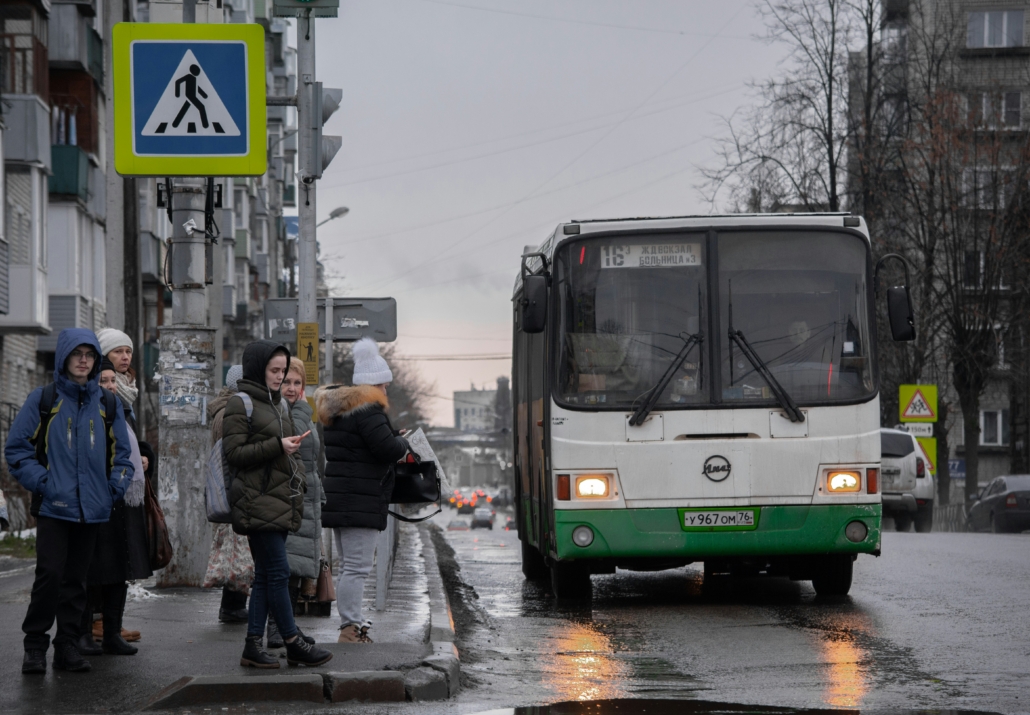
Photo: Unsplash
1. Sustainable Development Goals (SDGs) Addressed or Connected
- SDG 1: No Poverty
- The article focuses on poverty eradication in Russia, addressing challenges faced by low-income families, people with disabilities, and rural residents.
- SDG 3: Good Health and Well-being
- Social benefits and support systems help vulnerable populations maintain essential needs, indirectly supporting health and well-being.
- SDG 8: Decent Work and Economic Growth
- Promotion of social entrepreneurship and employment opportunities for marginalized groups is highlighted.
- SDG 9: Industry, Innovation and Infrastructure
- Expansion of digital public services and biometric identification technology improves access to social support and financial services.
- SDG 10: Reduced Inequalities
- Targeted child benefits and financial inclusion efforts aim to reduce regional and social inequalities.
- SDG 17: Partnerships for the Goals
- Collaboration with nonprofits, social enterprises, and government agencies is emphasized to strengthen poverty eradication efforts.
2. Specific Targets Under Identified SDGs
- SDG 1: No Poverty
- Target 1.2: Reduce at least by half the proportion of men, women and children living in poverty in all its dimensions according to national definitions.
- Target 1.3: Implement nationally appropriate social protection systems and measures for all.
- SDG 3: Good Health and Well-being
- Target 3.8: Achieve universal health coverage, including financial risk protection and access to essential services.
- SDG 8: Decent Work and Economic Growth
- Target 8.5: Achieve full and productive employment and decent work for all, including young people and persons with disabilities.
- Target 8.10: Strengthen the capacity of domestic financial institutions to encourage and expand access to banking and financial services.
- SDG 9: Industry, Innovation and Infrastructure
- Target 9.c: Significantly increase access to information and communications technology and strive to provide universal and affordable access to the Internet.
- SDG 10: Reduced Inequalities
- Target 10.2: Empower and promote the social, economic and political inclusion of all.
- SDG 17: Partnerships for the Goals
- Target 17.17: Encourage and promote effective public, public-private and civil society partnerships.
3. Indicators Mentioned or Implied to Measure Progress
- Poverty Rate Fluctuations
- National poverty rate data from the World Bank is used to track changes in poverty levels over time.
- Enrollment in Social Benefits Programs
- Increased enrollment through digital platforms like Gosuslugi indicates improved access to social support.
- Financial Inclusion Metrics
- Number of individuals in rural areas opening bank accounts via biometric identification technology.
- Targeted Child Benefit Distribution
- Number of families receiving income-tested child benefits and the impact on household consumption stability.
- Employment Rates in Social Enterprises
- Participation and employment data for marginalized groups trained and employed through social entrepreneurship initiatives.
- Nonprofit Outreach and Impact
- Number of people reached by nonprofit programs and social worker training effectiveness.
4. SDGs, Targets and Indicators Table
| SDGs | Targets | Indicators |
|---|---|---|
| SDG 1: No Poverty |
|
|
| SDG 3: Good Health and Well-being |
|
|
| SDG 8: Decent Work and Economic Growth |
|
|
| SDG 9: Industry, Innovation and Infrastructure |
|
|
| SDG 10: Reduced Inequalities |
|
|
| SDG 17: Partnerships for the Goals |
|
|
Source: borgenproject.org
What is Your Reaction?
 Like
0
Like
0
 Dislike
0
Dislike
0
 Love
0
Love
0
 Funny
0
Funny
0
 Angry
0
Angry
0
 Sad
0
Sad
0
 Wow
0
Wow
0