

























































Nearly Half of Hispanic Children Live in Families With Low Incomes – Child Trends
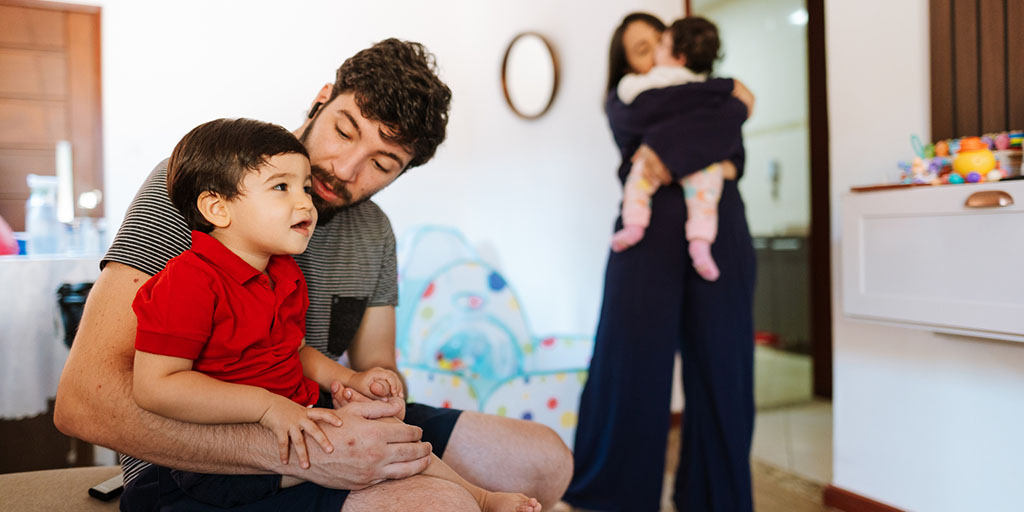
Economic Conditions of Hispanic Children in the United States: A Focus on Sustainable Development Goals
Introduction
Hispanic children represent a significant and growing portion of the United States’ youth population, accounting for more than one in four children under age 18, with projections indicating they will comprise over one in three by 2050. Understanding their economic conditions is critical to advancing the United Nations Sustainable Development Goals (SDGs), particularly SDG 1 (No Poverty), SDG 3 (Good Health and Well-being), SDG 4 (Quality Education), and SDG 10 (Reduced Inequalities).
Key Findings on Income and Poverty Status
- Hispanic children living in families with at least one foreign-born parent experience higher rates of low income and poverty compared to those with only U.S.-born parents:
- 52% have low incomes versus 40% for children with U.S.-born parents.
- 21% live in poverty compared to 17% of children with U.S.-born parents.
- Deep poverty rates are slightly lower among children with foreign-born parents (7%) than those with U.S.-born parents (8%).
- These economic disparities highlight the urgent need for targeted interventions to reduce poverty and promote economic stability among Hispanic children, directly contributing to SDG 1 and SDG 10.
Implications for Child Well-being and Development
- Children experiencing poverty or low incomes face increased risks of poor health and adverse academic, social, and emotional outcomes, aligning with concerns addressed by SDG 3 and SDG 4.
- Those in deep poverty endure the most severe disadvantages, affecting their long-term health and well-being.
Role of Policy and Employment in Poverty Reduction
State and federal policies play a pivotal role in alleviating child poverty. Notably:
- Expansion of safety net programs during the COVID-19 pandemic contributed to record lows in child poverty levels in 2021, demonstrating effective policy impact aligned with SDG 1.
- Employment remains a critical factor, as the majority of Hispanic children in low-income families live with an employed adult.
- Programmatic efforts focusing on job and skills training can enhance access to higher-wage employment and jobs with better benefits, such as health insurance and paid leave, thereby reducing financial burdens on families and supporting SDG 8 (Decent Work and Economic Growth) and SDG 3.
Conclusion and Recommendations
Addressing economic disparities among Hispanic children is essential for achieving multiple Sustainable Development Goals. Recommendations include:
- Strengthening and expanding social safety net programs to sustain reductions in child poverty.
- Investing in workforce development initiatives targeting Hispanic families to improve employment quality and income stability.
- Enhancing access to health and social benefits to support child health and family well-being.
Data Source
Source: Authors’ analysis of the Census Bureau’s 2023 American Community Survey 1-year data obtained via IPUMS USA, University of Minnesota, www.ipums.org.
Note: Sample includes Hispanic children not living in group quarters, with complete data on poverty status and parents’ country of birth. Low income, poverty, and deep poverty categories are not mutually exclusive.

1. Which SDGs are addressed or connected to the issues highlighted in the article?
- SDG 1: No Poverty – The article focuses on poverty and low income among Hispanic children, highlighting disparities based on parents’ nativity.
- SDG 3: Good Health and Well-being – It discusses the increased risk of poor health outcomes linked to poverty and deep poverty in children.
- SDG 4: Quality Education – The article mentions worse academic outcomes for children experiencing poverty.
- SDG 8: Decent Work and Economic Growth – It emphasizes the role of employment and job quality in reducing poverty among Hispanic families.
- SDG 10: Reduced Inequalities – The focus on disparities between children with foreign-born and U.S.-born parents relates to reducing inequalities.
2. What specific targets under those SDGs can be identified based on the article’s content?
- SDG 1 – No Poverty
- Target 1.2: Reduce at least by half the proportion of children living in poverty in all its dimensions.
- Target 1.3: Implement nationally appropriate social protection systems and measures for all, including children.
- SDG 3 – Good Health and Well-being
- Target 3.4: Reduce premature mortality from non-communicable diseases and promote mental health and well-being.
- SDG 4 – Quality Education
- Target 4.1: Ensure all children complete free, equitable and quality primary and secondary education.
- SDG 8 – Decent Work and Economic Growth
- Target 8.5: Achieve full and productive employment and decent work for all, including young people and persons with disabilities.
- Target 8.6: Reduce the proportion of youth not in employment, education or training.
- SDG 10 – Reduced Inequalities
- Target 10.2: Empower and promote the social, economic and political inclusion of all, irrespective of age, sex, disability, race, ethnicity, origin, religion or economic or other status.
3. Are there any indicators mentioned or implied in the article that can be used to measure progress towards the identified targets?
- Indicators related to SDG 1 (No Poverty):
- Proportion of children living in low income (52% for Hispanic children with foreign-born parents vs. 40% with U.S.-born parents).
- Proportion of children living in poverty (21% vs. 17%).
- Proportion of children living in deep poverty (7% vs. 8%).
- Indicators related to SDG 3 (Good Health and Well-being):
- Incidence of poor health outcomes linked to poverty and deep poverty (implied through references to increased health risks).
- Indicators related to SDG 4 (Quality Education):
- Academic outcomes of children experiencing poverty (implied through mention of worse academic outcomes).
- Indicators related to SDG 8 (Decent Work and Economic Growth):
- Proportion of Hispanic children living with an employed adult despite low income (implied indicator of employment status).
- Access to higher-wage jobs and jobs with benefits such as health insurance and paid leave (implied).
- Indicators related to SDG 10 (Reduced Inequalities):
- Disparities in poverty and income status between children with foreign-born and U.S.-born parents.
4. Table: SDGs, Targets and Indicators
| SDGs | Targets | Indicators |
|---|---|---|
| SDG 1: No Poverty |
|
|
| SDG 3: Good Health and Well-being |
|
|
| SDG 4: Quality Education |
|
|
| SDG 8: Decent Work and Economic Growth |
|
|
| SDG 10: Reduced Inequalities |
|
|
Source: childtrends.org
What is Your Reaction?
 Like
0
Like
0
 Dislike
0
Dislike
0
 Love
0
Love
0
 Funny
0
Funny
0
 Angry
0
Angry
0
 Sad
0
Sad
0
 Wow
0
Wow
0