























































JAG-K program expands to Hays Middle School – Hays Post
Report on the Jobs for America’s Graduates-Kansas (JAG-K) Program in Hays and its Alignment with Sustainable Development Goals
1.0 Introduction
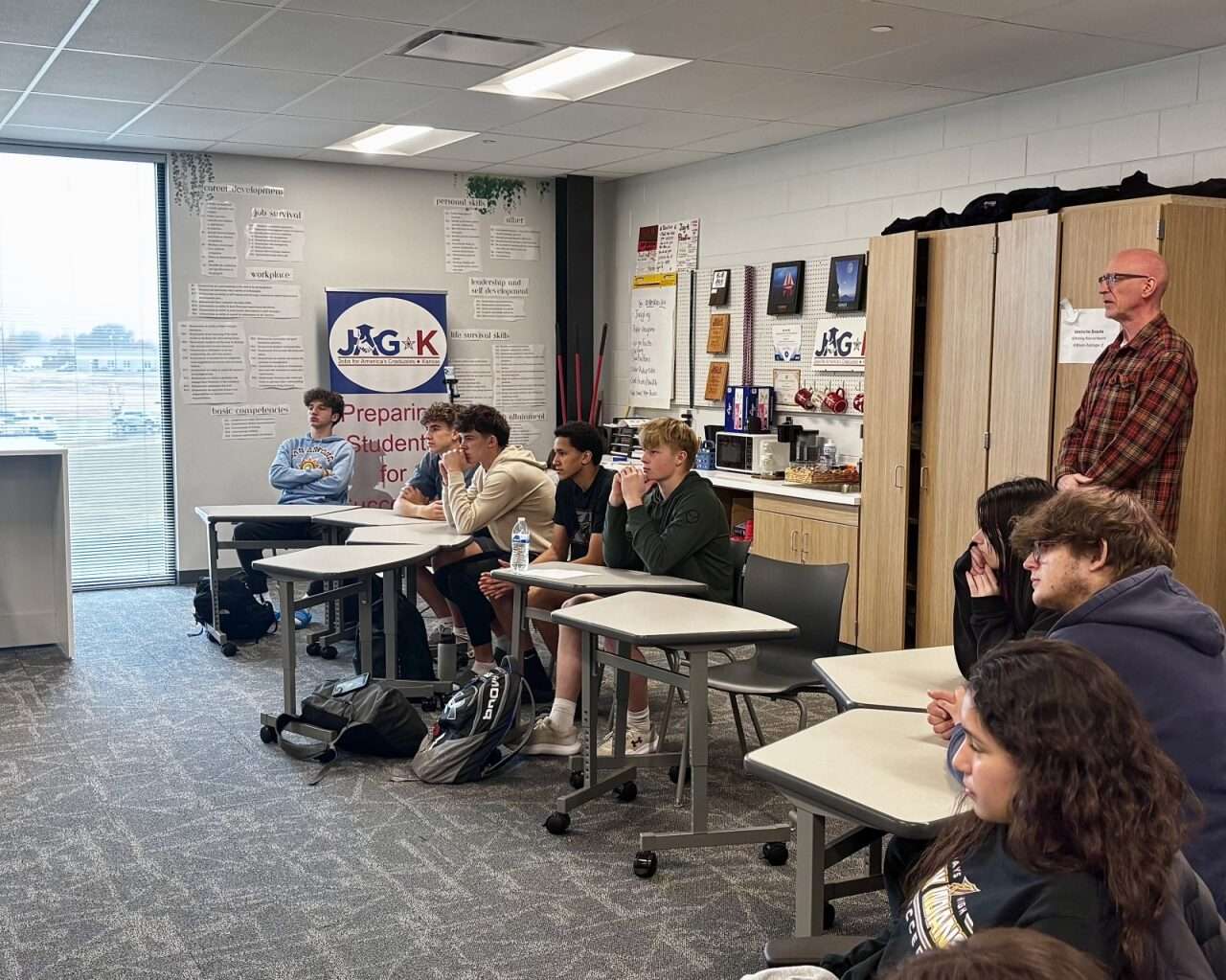
The Jobs for America’s Graduates-Kansas (JAG-K) program in Hays, Kansas, is an educational initiative designed to support students who face significant barriers to success. Initially established at Hays High School, the program has recently expanded to Hays Middle School, indicating a growing commitment to early intervention. This report details the program’s structure, objectives, and outcomes, with a specific focus on its contributions to the United Nations Sustainable Development Goals (SDGs), particularly SDG 4 (Quality Education), SDG 8 (Decent Work and Economic Growth), and SDG 10 (Reduced Inequalities).
2.0 Program Structure and Objectives
JAG-K operates as a non-profit organization that partners with public schools to offer an elective course aimed at preventing student dropouts. The program provides a comprehensive support system that integrates academic assistance, career development, and leadership training to ensure students are prepared for post-secondary education, military service, or direct entry into the workforce.
2.1 Student Eligibility and Contribution to SDG 10: Reduced Inequalities
The program specifically targets students at risk of not graduating, thereby directly addressing SDG 10. Eligibility is determined by a minimum of six selection criteria, which may include:
- Low-income family background
- Incarceration of a family member
- Academic performance in the bottom quartile of their class
Statewide data for the Class of 2024 underscores this focus, with 70% of participants qualifying for free or reduced-cost lunch and 57% being students of color. By providing targeted support to these demographics, JAG-K actively works to reduce educational and economic inequalities.
2.2 Curriculum and Alignment with SDG 4: Quality Education
The JAG-K curriculum is designed to provide inclusive and equitable quality education. It eschews traditional textbooks in favor of a project-based learning model that teaches essential competencies. Key components of the curriculum include:
- Skill Development: Monthly objectives focus on building core skills such as communication, decision-making, and organization.
- Student-Centered Learning: The program emphasizes “student voice and student choice,” allowing participants to influence the selection of guest speakers and projects based on their interests.
- Financial Literacy: A significant portion of the curriculum is dedicated to financial education, teaching students about budgeting, saving, investing, and avoiding debt. This practical knowledge supports lifelong learning opportunities and economic stability.
3.0 Program Impact and Contribution to Sustainable Development
3.1 Fostering SDG 8: Decent Work and Economic Growth
JAG-K creates a direct pathway to productive employment and decent work. The program has established extensive connections with the local business community, providing students with invaluable real-world experience. In the previous year, high school students engaged with 170 different businesses through various activities:
- Facility tours and guest speaker presentations
- Job shadowing opportunities
- Internships and apprenticeships
This hands-on career exploration helps students make informed decisions about their future, aligning their education with labor market demands. The program’s 12-month post-graduation follow-up service further supports this goal by assisting alumni with college applications and job placement, ensuring a successful transition into the economy.
3.2 Community Engagement and Program Outcomes
The program fosters civic responsibility through mandatory community service projects, such as assisting with local sporting events and fundraising for the Salvation Army. This engagement strengthens community ties and promotes inclusive societies.
The effectiveness of the JAG-K model is validated by its statewide outcomes for the Class of 2024, which surpassed national standards and demonstrate clear progress toward key SDGs:
- 98% Graduation Rate: A direct indicator of success in achieving SDG 4 (Quality Education).
- 78% Employment Rate: A tangible contribution to SDG 8 (Decent Work and Economic Growth).
- 67% Further Education Rate: Reinforces the program’s commitment to lifelong learning under SDG 4.
The program’s expansion in Hays, from 35 participants to approximately 180 districtwide, reflects its recognized value in preparing students for a successful and economically stable future, thereby contributing to a more sustainable and equitable community.
Analysis of the JAG-K Program and Sustainable Development Goals
1. Which SDGs are addressed or connected to the issues highlighted in the article?
- SDG 4: Quality Education: The article’s central theme is the Jobs for America’s Graduates-Kansas (JAG-K) program, an educational initiative designed to support students at risk of not graduating. It focuses on providing academic support, skill-building, and pathways to further education and employment, directly aligning with the goal of ensuring inclusive and equitable quality education.
- SDG 8: Decent Work and Economic Growth: The program explicitly prepares students for the workforce. It offers career exploration, connects students with local employers for job shadows and internships, and provides a 12-month follow-up after graduation to assist with job opportunities. This contributes to promoting productive employment and decent work for youth.
- SDG 10: Reduced Inequalities: The JAG-K program specifically targets students facing various disadvantages. The article states that selection criteria include coming from a low-income family, having an incarcerated family member, or being in the bottom quadrant of the class rank. By providing these students with targeted support and opportunities, the program works to reduce inequalities in educational and economic outcomes.
- SDG 1: No Poverty: By focusing on students from low-income backgrounds (70% qualify for free or reduced-cost lunch) and equipping them with education, financial literacy, and career skills, the program provides a direct pathway out of poverty. It aims to break intergenerational cycles of poverty by improving the economic prospects of vulnerable youth.
2. What specific targets under those SDGs can be identified based on the article’s content?
-
Under SDG 4 (Quality Education):
- Target 4.1: “By 2030, ensure that all girls and boys complete free, equitable and quality primary and secondary education…” The program directly supports this target by working with students “at risk of not graduating” and achieving a 98% graduation rate among its participants.
- Target 4.3: “By 2030, ensure equal access for all women and men to affordable and quality technical, vocational and tertiary education…” The program helps students “successfully transition to post-secondary education,” with the article noting that 67% of the 2024 class pursued further education.
- Target 4.4: “By 2030, substantially increase the number of youth and adults who have relevant skills, including technical and vocational skills, for employment, decent jobs and entrepreneurship.” The article highlights that the program focuses on building skill sets in “communication, decision-making and organizational skills,” offers “financial literacy education,” and connects students with 170 businesses for practical experience.
-
Under SDG 8 (Decent Work and Economic Growth):
- Target 8.6: “By 2020, substantially reduce the proportion of youth not in employment, education or training (NEET).” The program’s success is measured by its high post-graduation rates of employment (78%) and further education (67%), directly addressing the reduction of the NEET population among its graduates. The 12-month follow-up support is a key mechanism for achieving this.
-
Under SDG 10 (Reduced Inequalities):
- Target 10.2: “By 2030, empower and promote the social, economic and political inclusion of all, irrespective of… economic or other status.” The program’s selection criteria actively identify and support students facing socioeconomic barriers, including those from “low-income” families, “single-parent households,” and “students of color,” providing them with the tools for economic inclusion.
-
Under SDG 1 (No Poverty):
- Target 1.2: “By 2030, reduce at least by half the proportion of men, women and children of all ages living in poverty…” The program addresses the root causes of poverty by providing educational support and career pathways to students from economically disadvantaged backgrounds, as indicated by the “70% qualify for free or reduced-cost lunch” statistic.
3. Are there any indicators mentioned or implied in the article that can be used to measure progress towards the identified targets?
-
For SDG 4 (Quality Education):
- Graduation Rate: The article explicitly states a “98% graduation rate” for the class of 2024, which serves as a direct indicator for Target 4.1 (completion of secondary education).
- Post-Secondary Education Rate: The statistic that “67% [pursued] further education” is a clear indicator for Target 4.3 (access to tertiary education).
- Employment Rate: The “78% employment” rate is an outcome indicator for Target 4.4, demonstrating that students have acquired relevant skills for the workforce.
-
For SDG 8 (Decent Work and Economic Growth):
- Proportion of Youth Not in Employment, Education or Training (NEET): While not stated as a single figure, the high rates of employment (78%) and further education (67%) among graduates strongly imply a very low NEET rate, serving as a powerful indicator for Target 8.6.
-
For SDG 10 (Reduced Inequalities) and SDG 1 (No Poverty):
- Socioeconomic Profile of Participants: The article provides demographic data that acts as an indicator of the program’s focus on vulnerable groups. These include: “70% qualify for free or reduced-cost lunch” (indicating low-income status), “36% of students come from single-parent households,” and “57% are students of color.” The success rates (graduation, employment) for this cohort measure the program’s effectiveness in promoting inclusion and reducing poverty.
4. Table of SDGs, Targets, and Indicators
| SDGs | Targets | Indicators |
|---|---|---|
| SDG 1: No Poverty | 1.2: Reduce at least by half the proportion of people of all ages living in poverty. | Proportion of students from low-income families participating in the program (“70% qualify for free or reduced-cost lunch”). |
| SDG 4: Quality Education | 4.1: Ensure all children complete free, equitable and quality primary and secondary education. | The “98% graduation rate” for program participants. |
| 4.3: Ensure equal access for all to affordable and quality technical, vocational and tertiary education. | The “67% further education” rate for program graduates. | |
| 4.4: Substantially increase the number of youth and adults who have relevant skills for employment. | The “78% employment” rate for graduates; engagement with 170 businesses for practical experience. | |
| SDG 8: Decent Work and Economic Growth | 8.6: Substantially reduce the proportion of youth not in employment, education or training (NEET). | High rates of post-graduation employment (78%) and further education (67%), implying a low NEET rate. |
| SDG 10: Reduced Inequalities | 10.2: Empower and promote the social, economic, and political inclusion of all. | Demographic data of participants: 57% students of color, 36% from single-parent households, 44% in the bottom quarter of their class. |
Source: hayspost.com
What is Your Reaction?
 Like
0
Like
0
 Dislike
0
Dislike
0
 Love
0
Love
0
 Funny
0
Funny
0
 Angry
0
Angry
0
 Sad
0
Sad
0
 Wow
0
Wow
0