LOWA Reflects On Water Quality For 2025 Season – krmsradio.com
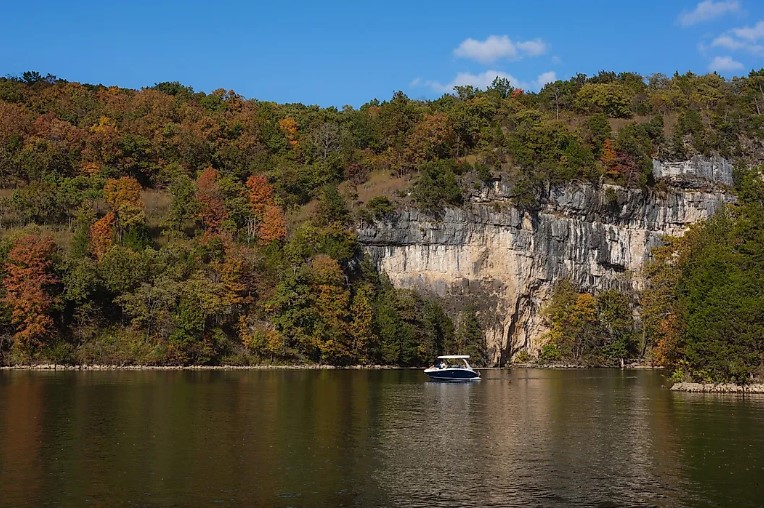
Annual Water Quality Assessment for Lake of the Ozarks
Overall Health Status and Alignment with SDG 6
A year-end review by the Lake of the Ozarks Watershed Alliance (LOWA) indicates that the overall water quality of the Lake of the Ozarks remains healthy. This assessment addresses previous concerns from the Environmental Protection Agency regarding chlorophyll-a levels. The continued health of the lake is a critical component in achieving Sustainable Development Goal 6 (Clean Water and Sanitation), which aims to ensure the availability and sustainable management of water for all.
Key Factors Influencing Lake Ecosystem Health
Several environmental factors have been identified as impacting the lake’s water quality and ecological balance. These factors directly relate to the objectives of SDG 14 (Life Below Water) and SDG 15 (Life on Land) by highlighting the interconnectedness of terrestrial and aquatic ecosystems.
- Sediment Runoff: Heavy rainfall can increase the amount of sediment entering the lake, affecting water clarity and aquatic habitats.
- Shoreline Erosion: The degradation of the shoreline contributes to sediment load and habitat loss.
- Bacteriological Contamination: Heavy rains can wash animal waste into the water, leading to localized increases in E. coli levels.
- Organic Matter: Natural debris, such as leaves, contributes to the nutrient load in the water.
Mitigation Strategies and Contribution to SDG 14 and SDG 15
LOWA emphasizes proactive measures to maintain and improve the lake’s health. These strategies are essential for protecting biodiversity and ecosystem integrity, supporting the targets of SDG 14 and SDG 15.
- Sediment Control: Implementing measures to keep sediment from entering the lake is a primary objective.
- Shoreline Stabilization: The use of riprap and other erosion control methods is recommended to protect shorelines from eroding, thereby preserving both land and water environments.
Operational Framework and Partnership for the Goals (SDG 17)
The Lake of the Ozarks Watershed Alliance operates as a 501(c)(3) nonprofit organization responsible for monitoring water quality throughout the year. The organization’s model is a clear example of Sustainable Development Goal 17 (Partnerships for the Goals).
- Volunteer-Based Efforts: The alliance depends significantly on volunteers from the community for its operations.
- Diverse Funding: Water quality testing is funded through grants and other available resources.
This collaborative approach, which brings together a nonprofit organization, community volunteers, and funding partners, is fundamental to achieving sustainable environmental management at the local level.
1. Which SDGs are addressed or connected to the issues highlighted in the article?
The article on the water quality of the Lake of the Ozarks connects to several Sustainable Development Goals (SDGs) that focus on water, ecosystems, and environmental health.
-
SDG 6: Clean Water and Sanitation
This is the most directly relevant SDG. The entire article revolves around the “overall quality of water” at the lake. It discusses pollutants like e-coli from animal waste, sediment from runoff, and past concerns over chlorophyll-a levels, all of which are central to ensuring the availability and sustainable management of water.
-
SDG 14: Life Below Water
Although SDG 14 primarily focuses on oceans and marine resources, its principles apply to large inland freshwater bodies like the Lake of the Ozarks. The goal aims to “conserve and sustainably use the oceans, seas and marine resources for sustainable development.” The article’s discussion of preventing pollution from land-based activities (sediment, waste) to keep the lake “healthy” directly aligns with protecting aquatic life and ecosystems.
-
SDG 15: Life on Land
This SDG is relevant because the article identifies land-based activities as the source of water pollution. It specifically mentions the need to “keep our shoreline from eroding” and the washing of “animal waste into localized areas of the water” during heavy rains. This highlights the direct link between the management of terrestrial ecosystems (shorelines, surrounding land) and the health of freshwater ecosystems.
2. What specific targets under those SDGs can be identified based on the article’s content?
Based on the issues discussed, the following specific SDG targets can be identified:
-
Target 6.3: Improve water quality by reducing pollution
The article directly addresses this target. It discusses efforts to maintain the lake’s health by managing pollutants. The mention of “e-coli which happens when heavy rains wash animal waste into localized areas,” the need to “keep sediment out of the lake,” and past concerns about “chlorophyll-a” levels are all related to improving water quality by reducing pollution from various sources.
-
Target 14.1: Prevent and significantly reduce marine pollution of all kinds, in particular from land-based activities
Applying this target to the freshwater context of the article, the focus on pollution originating from land is clear. The article states, “The more sediment we can keep out of the lake…the healthier the lake.” It also identifies animal waste and leaves as land-based pollutants that impact water quality, directly aligning with the objective of this target.
-
Target 15.1: Ensure the conservation and restoration of terrestrial and inland freshwater ecosystems
This target is addressed through the article’s emphasis on protecting the interface between land and water. The statement about using “RIP rap…to keep our shoreline from eroding” is a direct reference to a conservation and restoration practice aimed at maintaining the stability and health of the inland freshwater ecosystem’s boundary.
3. Are there any indicators mentioned or implied in the article that can be used to measure progress towards the identified targets?
Yes, the article mentions or implies several specific indicators that are used to measure the water quality and health of the lake, which in turn measure progress towards the identified targets.
-
Chlorophyll-a levels
This is an explicitly mentioned indicator. The article notes that the EPA had considered the lake impaired “due to past levels of chlorophyll-a.” Chlorophyll-a concentration is a common scientific indicator used to measure the amount of algae in the water, which reflects nutrient pollution levels. It is a direct measure for assessing progress under Target 6.3.
-
E-coli levels
The article explicitly identifies “e-coli” as a factor contributing to the lake’s health status, particularly after heavy rains wash animal waste into the water. The concentration of E. coli bacteria is a standard indicator of fecal contamination and is used to assess water safety for recreational and other uses, directly relating to Target 6.3.
-
Sediment levels / Shoreline erosion
The article implies this as an indicator by stating, “The more sediment we can keep out of the lake…the healthier the lake.” Measuring water turbidity or the rate of shoreline erosion are practical ways to quantify this issue. This indicator is relevant for measuring progress towards reducing land-based pollution (Target 14.1) and conserving the ecosystem (Target 15.1).
4. Table of SDGs, Targets, and Indicators
| SDGs | Targets | Indicators |
|---|---|---|
| SDG 6: Clean Water and Sanitation | Target 6.3: By 2030, improve water quality by reducing pollution, eliminating dumping and minimizing release of hazardous chemicals and materials. |
|
| SDG 14: Life Below Water | Target 14.1: By 2025, prevent and significantly reduce marine pollution of all kinds, in particular from land-based activities, including marine debris and nutrient pollution. |
|
| SDG 15: Life on Land | Target 15.1: By 2020, ensure the conservation, restoration and sustainable use of terrestrial and inland freshwater ecosystems and their services. |
|
Source: krmsradio.com
What is Your Reaction?
 Like
0
Like
0
 Dislike
0
Dislike
0
 Love
0
Love
0
 Funny
0
Funny
0
 Angry
0
Angry
0
 Sad
0
Sad
0
 Wow
0
Wow
0