










































OLC gives gateway to water quality education – gazettenews.com

Collaborative Educational Initiative Advances Sustainable Development Goals Through Experiential Learning
Program Overview and Alignment with SDG 4: Quality Education
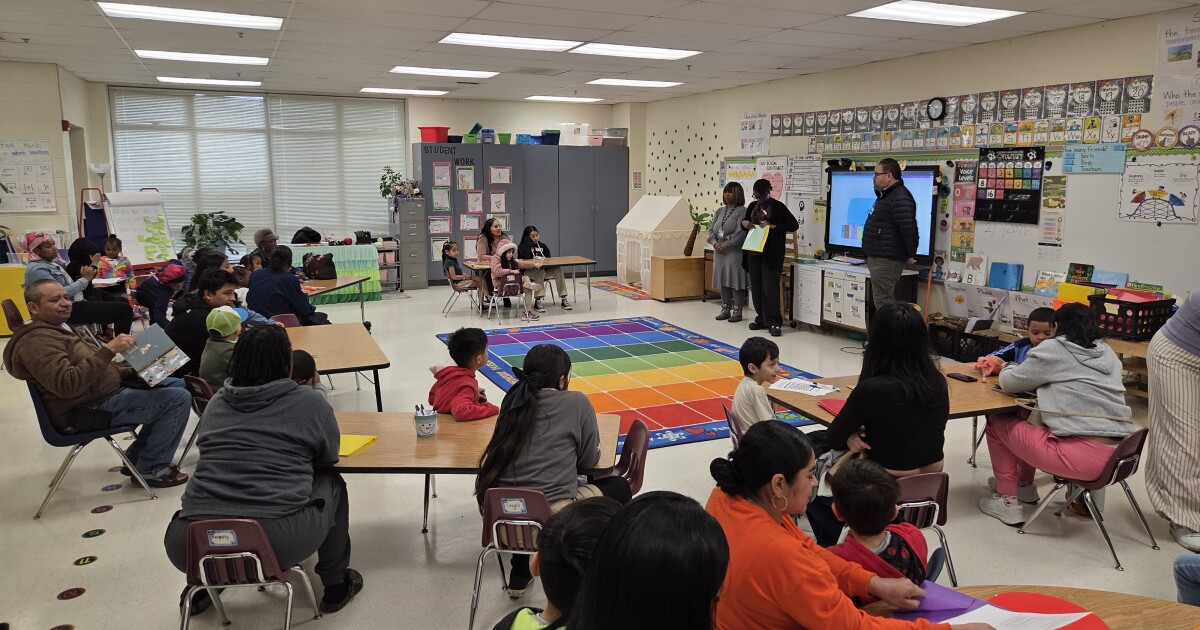
An educational event on October 20th provided fifth-grade students from Gateway Elementary with an immersive learning experience at the Outdoor Learning Center (OLC). This initiative, a direct result of multi-organizational collaboration, aimed to transform standard science curricula into a tangible and memorable lesson. By removing students from the traditional classroom setting and placing them directly into a natural ecosystem, the program makes abstract concepts concrete. This hands-on approach is a powerful implementation of Sustainable Development Goal 4 (Quality Education), which advocates for inclusive, equitable, and effective learning opportunities. The program ensures that educational content on ecosystems, habitats, and food webs becomes purposeful, fostering a deeper understanding and retention of knowledge.
Fostering Environmental Stewardship: A Focus on SDG 6, SDG 14, and SDG 15
The core activities of the event were designed to cultivate an appreciation for environmental conservation, directly addressing several key SDGs. Students engaged in activities critical to understanding and protecting natural resources.
- Stream Exploration: Direct interaction with the local creek allowed students to learn about freshwater ecosystems, a key component of SDG 14 (Life Below Water).
- Water Quality Analysis: Under the guidance of specialists, students examined water samples under microscopes, providing a practical lesson on the importance of monitoring and maintaining clean water sources, which is central to SDG 6 (Clean Water and Sanitation).
- Habitat and Biodiversity Study: By exploring the OLC’s trails, students identified native plants and learned about their uses, connecting them to the principles of SDG 15 (Life on Land), which focuses on protecting terrestrial ecosystems and halting biodiversity loss.
As noted by Suzanne Westlake, director of Ashtabula County Soil and Water, such exposure is “absolutely critical” for instilling a sense of responsibility, as direct experience with nature is the foundation for understanding why it must be conserved for future generations.
Building Future Green Careers and Fulfilling SDG 8
A significant component of the initiative was to introduce students to potential careers in the environmental and conservation sectors, aligning with SDG 8 (Decent Work and Economic Growth) by highlighting pathways to green jobs. The event served as an early-stage career exploration day, demonstrating the practical application of science.
- Ohio Department of Natural Resources: Students met a stream quality monitor, learning about specialized roles within government agencies dedicated to natural resource management.
- The Nature Conservancy: An engagement specialist provided insight into the work of non-profit conservation organizations.
- County-Level Conservation: The presence of the Ashtabula County Soil and Water director showcased careers focused on local environmental health.
This exposure helps students understand that a broad interest in science can lead to numerous specialized and fulfilling career paths dedicated to sustainability.
The Power of Collaboration: A Model for SDG 17: Partnerships for the Goals
The success of this educational event is a testament to the power of strategic partnerships, embodying the principles of SDG 17 (Partnerships for the Goals). The initiative was not the work of a single entity but a coordinated effort among several key stakeholders who combined their resources and expertise for a common objective.
- A-Tech Career Education
- Ohio Department of Natural Resources (ODNR)
- Ashtabula County Soil and Water
- The Nature Conservancy
- Gateway Elementary School
- The Outdoor Learning Center (OLC)
This collaborative model demonstrates how educational institutions, government agencies, and non-profit organizations can work together effectively to advance sustainability education. The OLC itself serves as an invaluable community asset, supporting SDG 11 (Sustainable Cities and Communities) by providing a safe and accessible green space for education and recreation.
Analysis of Sustainable Development Goals in the Article
1. Which SDGs are addressed or connected to the issues highlighted in the article?
-
SDG 4: Quality Education
- The entire article is centered on an educational initiative for fifth-grade students. It describes a hands-on learning experience outside the traditional classroom, focusing on science topics like ecosystems, habitats, and food chains. Denise Miller, the A-Tech Career Education Coordinator, emphasizes making “learning purposeful and memorable” and bringing the required curriculum content to life in a real environment.
-
SDG 6: Clean Water and Sanitation
- The event takes place in and around a creek, a freshwater ecosystem. The article highlights the importance of water quality through the involvement of Becky Donaldson, a “stream quality monitor for ODNR.” Suzanne Westlake from Ashtabula County Soil and Water directly links the educational experience to water protection, stating, “If you don’t know why a creek is important, then why would you care if it gets polluted?” This connects the activity to the broader goal of protecting water resources.
-
SDG 15: Life on Land
- The students’ activities involve exploring the creek and the surrounding woods at the Outdoor Learning Center. They study local ecosystems, habitats, and native plants like sassafras and witch hazel. The core message, articulated by Suzanne Westlake, is that experiencing nature is “absolutely critical” to understanding why it is important to conserve it for the future, directly addressing the goal of protecting terrestrial and freshwater ecosystems.
-
SDG 17: Partnerships for the Goals
- The event described is a result of a multi-stakeholder partnership. The article explicitly names the collaborators: A-Tech Career Education, the Ohio Department of Natural Resources (ODNR), Ashtabula County Soil and Water, The Nature Conservancy, and Gateway Elementary school. This collaboration between public agencies, a non-profit organization, and the local education system exemplifies the spirit of SDG 17.
2. What specific targets under those SDGs can be identified based on the article’s content?
-
Target 4.7 (under SDG 4): Ensure that all learners acquire the knowledge and skills needed to promote sustainable development, including, among others, through education for sustainable development and sustainable lifestyles.
- The article details an educational program designed to give students knowledge about local ecosystems, conservation, and biodiversity. By immersing students in nature and teaching them about the importance of protecting it, the program directly contributes to education for sustainable development.
-
Target 6.b (under SDG 6): Support and strengthen the participation of local communities in improving water and sanitation management.
- The event represents the participation of the local community (a school, its students, and local organizations) in learning about and fostering stewardship for local water resources. Educating young community members is a foundational step in strengthening long-term community involvement in water management.
-
Target 15.1 (under SDG 15): Ensure the conservation, restoration and sustainable use of terrestrial and inland freshwater ecosystems and their services.
- The program’s explicit goal is to teach students the value of their local creek (an inland freshwater ecosystem) and the surrounding woods. As Suzanne Westlake notes, this experience is critical so that students “know why it’s important to save nature” and can “conserve it in the future.”
-
Target 17.17 (under SDG 17): Encourage and promote effective public, public-private and civil society partnerships, building on the experience and resourcing strategies of partnerships.
- The article is a case study of this target in action. It describes a successful partnership between public entities (ODNR, Ashtabula County Soil and Water), a civil society organization (The Nature Conservancy), and the local education system to achieve a common goal.
3. Are there any indicators mentioned or implied in the article that can be used to measure progress towards the identified targets?
-
Indicator for Target 4.7:
- The article provides a quantitative indicator by stating that “six classrooms” of “Gateway fifth graders” participated in the event. This measures the extent to which education for sustainable development is being integrated into the local curriculum. A qualitative indicator is implied in Denise Miller’s observation that for the students, “the content becomes real,” suggesting an increase in student engagement and understanding of environmental science.
-
Indicator for Target 6.b:
- The existence of the collaborative educational event itself serves as an indicator of community participation. The active involvement of multiple local organizations (ODNR, Soil and Water, The Nature Conservancy, Gateway Elementary) in a water-focused educational program demonstrates a strengthened engagement in managing and protecting local water resources.
-
Indicator for Target 15.1:
- An implied indicator is the increased awareness and appreciation for local ecosystems among the student participants. Suzanne Westlake’s statement about the necessity of such experiences to foster a future conservation ethic suggests that the program’s success can be measured by the development of environmental stewardship values in the next generation.
-
Indicator for Target 17.17:
- The article provides a clear indicator by documenting the formation and successful execution of a multi-stakeholder partnership. The number and type of organizations involved—a career education program, a state agency, a county agency, a non-profit, and a school—can be used as a metric to measure the establishment of effective partnerships for sustainable development goals.
4. Table of SDGs, Targets, and Indicators
| SDGs | Targets | Indicators |
|---|---|---|
| SDG 4: Quality Education | Target 4.7: Ensure all learners acquire knowledge and skills for sustainable development. |
|
| SDG 6: Clean Water and Sanitation | Target 6.b: Support and strengthen the participation of local communities in improving water management. |
|
| SDG 15: Life on Land | Target 15.1: Ensure the conservation and sustainable use of inland freshwater ecosystems. |
|
| SDG 17: Partnerships for the Goals | Target 17.17: Encourage and promote effective public, public-private and civil society partnerships. |
|
Source: gazettenews.com
What is Your Reaction?
 Like
0
Like
0
 Dislike
0
Dislike
0
 Love
0
Love
0
 Funny
0
Funny
0
 Angry
0
Angry
0
 Sad
0
Sad
0
 Wow
0
Wow
0