

















































Orangeburg County weighs impact fees to support growth in housing and infrastructure – WLTX
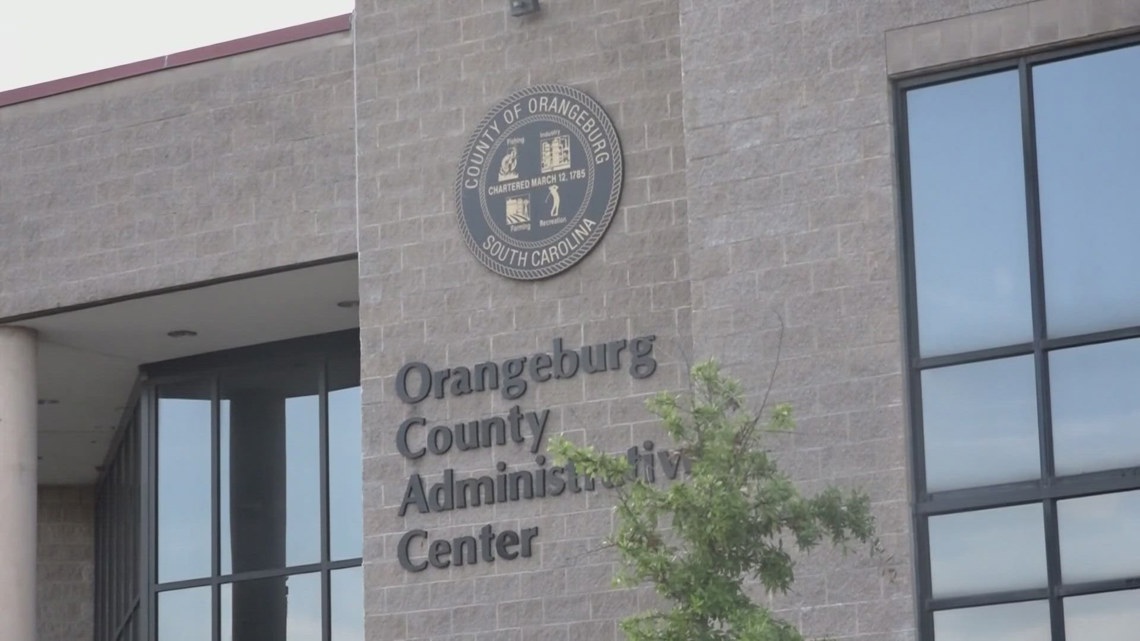
Report on Proposed Impact Fees in Orangeburg County for Sustainable Development
Introduction: Fostering Sustainable Growth
Orangeburg County is currently evaluating the implementation of impact fees on new construction projects. This initiative is a proactive measure to manage the county’s significant growth, ensuring that development is both economically viable and sustainable. The core objective is to finance the necessary expansion of public infrastructure and services, aligning the county’s development trajectory with key principles of the United Nations Sustainable Development Goals (SDGs).
Alignment with Sustainable Development Goals (SDGs)
The proposed impact fee structure is fundamentally linked to achieving several SDGs by ensuring that growth does not compromise the quality of life or the resilience of the community. The primary alignments include:
- SDG 11: Sustainable Cities and Communities: The proposal directly addresses Target 11.3 by aiming to enhance inclusive and sustainable urbanization. By requiring new developments to contribute to the infrastructure they necessitate, the county ensures that services like roads, utilities, and public safety can support a growing population, making the community more resilient, safe, and sustainable.
- SDG 9: Industry, Innovation, and Infrastructure: This initiative supports the development of quality, reliable, sustainable, and resilient infrastructure (Target 9.1). The fees will provide a dedicated funding stream to upgrade and expand essential systems, which is critical for supporting long-term economic growth and human well-being.
- SDG 3: Good Health and Well-being: A portion of the collected fees will be allocated to emergency services, including EMS and law enforcement. This investment directly contributes to Target 3.6 by enhancing the capacity for emergency response and ensuring public safety, which are essential components of a healthy community.
Key Details of the Proposal
The county’s analysis is focused on creating a framework where development contributes directly to the community’s sustainability. The key components are as follows:
- Purpose: To levy charges on new housing and commercial developments to help finance the increased demand on public services.
- Application: The fees would apply exclusively to future projects, ensuring that existing residents and businesses are not burdened.
- Funding Allocation: All revenue generated from the impact fees will be funneled directly back into infrastructure and emergency services to support the new developments.
- Goal: To ensure that public service capacity and infrastructure quality keep pace with population growth, preventing strain on existing systems and taxpayers.
Current Status and Forward Outlook
Orangeburg County is conducting a comprehensive impact fee analysis to determine the appropriate fee structure. This study will quantify the costs associated with new development and ensure the proposed fees are equitable and effective. Upon completion of the analysis, further details will be released. This strategic approach positions Orangeburg County to manage its expansion responsibly, creating a sustainable and resilient community for the future in line with global development objectives.
1. Which SDGs are addressed or connected to the issues highlighted in the article?
SDG 9: Industry, Innovation and Infrastructure
- The article’s central theme is ensuring that local infrastructure can support population growth. It explicitly mentions the need for public services like “roads, utilities, EMS and law enforcement” to keep pace with new development. This directly connects to the goal of building resilient and sustainable infrastructure.
SDG 11: Sustainable Cities and Communities
- The issue arises from urban growth in Orangeburg County, with “new housing and commercial development” and “more people mov[ing] into the area.” The county’s plan to use impact fees for infrastructure and services is a direct attempt at sustainable urban planning and management to make the community resilient and prevent public services from falling behind.
2. What specific targets under those SDGs can be identified based on the article’s content?
SDG 9: Industry, Innovation and Infrastructure
- Target 9.1: Develop quality, reliable, sustainable and resilient infrastructure, including regional and transborder infrastructure, to support economic development and human well-being, with a focus on affordable and equitable access for all.
- The article highlights the county’s effort to ensure “infrastructure can keep up” with growth. The impact fees are a financial mechanism designed to fund the development of necessary infrastructure like “roads” and “utilities” to serve the new population, directly aligning with this target.
SDG 11: Sustainable Cities and Communities
- Target 11.3: By 2030, enhance inclusive and sustainable urbanization and capacity for participatory, integrated and sustainable human settlement planning and management in all countries.
- Orangeburg County’s decision to conduct an “impact fee analysis” is a clear example of sustainable human settlement planning. By proactively assessing the costs of growth and creating a funding mechanism, the county is managing its urbanization process to ensure it is sustainable.
- Target 11.a: Support positive economic, social and environmental links between urban, peri-urban and rural areas by strengthening national and regional development planning.
- The county’s study and potential implementation of impact fees represent a form of regional development planning. It aims to manage the consequences of growth (“housing developments that are building 400, 500 houses”) on the entire county’s service and infrastructure network.
3. Are there any indicators mentioned or implied in the article that can be used to measure progress towards the identified targets?
Implied Indicators for SDG 9
- While no specific metrics are given, the article implies the need to measure the adequacy of infrastructure. The county’s “impact fee analysis” itself suggests a process of quantifying the infrastructure gap. Progress could be measured by the amount of investment in new infrastructure (roads, utilities) funded by the fees. This relates to indicators measuring investment in and quality of infrastructure.
Implied Indicators for SDG 11
- Indicator 11.3.1 (Ratio of land consumption rate to population growth rate): The article’s core issue is the “impact of those new houses or new people coming to the area.” The county is trying to manage the relationship between the rate of new development (land consumption) and population growth, which is the essence of this indicator.
- Indicator 11.3.2 (Proportion of cities with a direct participation structure of civil society in urban planning and management): The article states that “more details will be released once the analysis is complete,” implying a public process for urban planning. The implementation of a formal policy like impact fees is a direct measure of having a structured approach to urban management.
4. SDGs, Targets and Indicators Table
| SDGs | Targets | Indicators (Implied from Article) |
|---|---|---|
| SDG 9: Industry, Innovation and Infrastructure | 9.1: Develop quality, reliable, sustainable and resilient infrastructure… to support economic development and human well-being. | Investment in new infrastructure (e.g., roads, utilities) as a result of the impact fee collection. |
| SDG 11: Sustainable Cities and Communities | 11.3: Enhance inclusive and sustainable urbanization and capacity for… sustainable human settlement planning and management. | The existence of a policy (impact fees) to manage the ratio of land consumption to population growth. The county’s formal planning process itself is an indicator of capacity. |
| SDG 11: Sustainable Cities and Communities | 11.a: Support positive… links between urban, peri-urban and rural areas by strengthening… regional development planning. | The implementation of a county-wide development plan that includes financial mechanisms to manage growth’s impact on public services. |
Source: wltx.com
What is Your Reaction?
 Like
0
Like
0
 Dislike
0
Dislike
0
 Love
0
Love
0
 Funny
0
Funny
0
 Angry
0
Angry
0
 Sad
0
Sad
0
 Wow
0
Wow
0