
















Rogers students learn about, address food insecurity through school-Food Bank partnership – Northwest Arkansas Democrat-Gazette
Addressing Food Insecurity through School Partnerships in Northwest Arkansas
Introduction
Food insecurity remains a critical issue in Northwest Arkansas, where one in seven children faces nutritional challenges. In response, the Northwest Arkansas Food Bank has partnered with local schools to implement a School Pantry Program aimed at providing accessible, nutritious food to students and their families. This initiative aligns with the United Nations Sustainable Development Goals (SDGs), particularly SDG 2: Zero Hunger, and SDG 3: Good Health and Well-being.
School Pantry Program Overview
- Partnership Scope: The Food Bank collaborates with 32 schools across 17 school districts.
- Distribution Models:
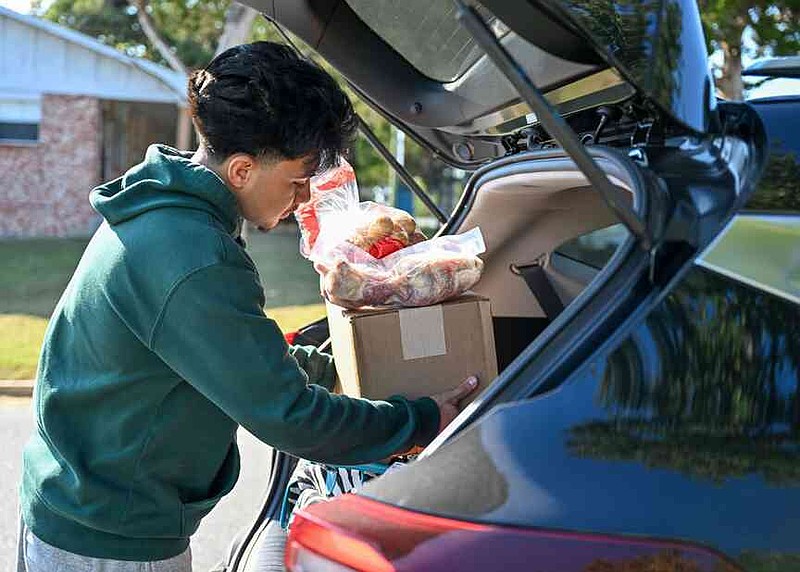
- Drive-thru distribution allowing families to pick up food conveniently.
- Market-style setups enabling individuals to select preferred food items.
- Volunteer Involvement: Programs are primarily run by teacher volunteers, with additional support from community organizations and businesses.
- Food Supply: The Northwest Arkansas Food Bank provides food supplies free of charge to participating schools.
Focus on Sustainable Development Goals (SDGs)
- SDG 2 – Zero Hunger: The program directly combats hunger by ensuring food-insecure children and families have access to nutritious food.
- SDG 3 – Good Health and Well-being: By providing nutritional food, the initiative supports the health and well-being of students and their families.
- SDG 4 – Quality Education: Incorporating student leadership and community service into the program promotes education on food security and social responsibility.
- SDG 17 – Partnerships for the Goals: The collaboration between the Food Bank, schools, community partners, and businesses exemplifies effective partnerships to achieve sustainable development.
Case Study: Rogers Heritage High School
Student Leadership and Community Service
Rogers Heritage High School employs a drive-thru distribution model, with food distributions scheduled monthly. The school places students in leadership roles during these events, integrating the program with educational objectives in food safety and nutrition.
Educational Integration and Community Impact
- Students learn about food insecurity holistically, including food preparation and community access challenges.
- Participation in food distributions offers students community service hours, supporting Arkansas’s graduation requirement of 75 service hours.
- Student enthusiasm has led to high volunteer turnout, with 18 of 45 students participating in a recent distribution.
- The October distribution served 73 households, potentially impacting over 300 individuals.
SDG Alignment
- SDG 4 – Quality Education: The program enhances learning by combining coursework with real-world community service.
- SDG 10 – Reduced Inequalities: By addressing unequal access to food, the program promotes social equity within the community.
Additional Initiatives: Bentonville School District
Schoolhouse Pantry Program
The Bentonville School District partners with the Northwest Arkansas Food Bank to operate the Schoolhouse Pantry, which serves families experiencing food insecurity through monthly distributions and an online food ordering system.
Program Features
- Families can place online orders for food items within set limits.
- The Food Bank delivers food directly to schools for family pickup.
- Over 35,000 meals have been provided in the past year.
- Additional food is supplied during holiday breaks to supplement missed school meals.
- Community members can support the pantry by donating food and winter clothing via a Walmart wishlist.
SDG Contributions
- SDG 2 – Zero Hunger: The program ensures consistent access to food for vulnerable families.
- SDG 12 – Responsible Consumption and Production: The online ordering system allows families to select preferred foods, reducing waste.
- SDG 17 – Partnerships for the Goals: Collaboration between the school district, Food Bank, and community donors strengthens local food security networks.
Community Support and Recognition
Community Christmas Card Campaign
The Northwest Arkansas Democrat-Gazette’s annual Community Christmas Card campaign raises funds to support the Food Bank’s school pantry programs. Donations can be made online or by mail through the end of December, with contributors eligible to have their names featured in the newspaper.
Recognition and Impact
- Since September, the Food Bank has served over 223 households and 393 children in the Rogers School District.
- Rogers School District officials acknowledge the program’s role in alleviating food insecurity and removing barriers to student success.
SDG Emphasis
- SDG 1 – No Poverty: The program helps reduce poverty-related challenges by providing essential food resources.
- SDG 11 – Sustainable Cities and Communities: Community engagement and support foster resilient and inclusive local environments.
Conclusion
The partnership between the Northwest Arkansas Food Bank and local schools demonstrates a comprehensive approach to tackling food insecurity, integrating educational opportunities, community involvement, and sustainable development principles. Through continued collaboration and community support, these initiatives contribute significantly to achieving multiple Sustainable Development Goals, fostering healthier, more equitable communities in Northwest Arkansas.
1. Sustainable Development Goals (SDGs) Addressed or Connected
- SDG 2: Zero Hunger
- The article focuses on addressing food insecurity among children and families through school pantry programs and food distributions.
- SDG 3: Good Health and Well-being
- Providing nutritional food access supports better health outcomes for students and families.
- SDG 4: Quality Education
- Students participate in community service and leadership roles related to food security, integrating practical learning and social responsibility.
- SDG 17: Partnerships for the Goals
- Partnerships between the Northwest Arkansas Food Bank, schools, community organizations, and businesses exemplify collaborative efforts to tackle food insecurity.
2. Specific Targets Under the Identified SDGs
- SDG 2: Zero Hunger
- Target 2.1: By 2030, end hunger and ensure access by all people, especially children, to safe, nutritious, and sufficient food all year round.
- Target 2.2: By 2030, end all forms of malnutrition, including achieving targets on stunted and wasted children under 5 years of age.
- SDG 3: Good Health and Well-being
- Target 3.4: Reduce premature mortality from non-communicable diseases through prevention and treatment and promote mental health and well-being.
- SDG 4: Quality Education
- Target 4.7: Ensure that all learners acquire knowledge and skills needed to promote sustainable development, including through education for sustainable lifestyles and human rights.
- SDG 17: Partnerships for the Goals
- Target 17.17: Encourage and promote effective public, public-private, and civil society partnerships.
3. Indicators Mentioned or Implied to Measure Progress
- Food Insecurity Prevalence
- The article mentions “one in seven children in Northwest Arkansas is food-insecure,” which relates to measuring the proportion of population suffering from food insecurity.
- Number of Meals Distributed
- More than 35,000 meals provided by the Bentonville Schoolhouse Pantry over the past year is an indicator of food access and distribution effectiveness.
- Households and Children Served
- The Food Bank has served over 223 households and 393 children in the Rogers School District since September, indicating reach and impact.
- Student Participation in Community Service
- Number of students volunteering and earning community service hours reflects engagement and educational impact.
- Food Distribution Frequency and Accessibility
- Regular scheduled distributions and models (drive-thru, market-style) imply indicators related to accessibility and convenience of food access.
4. Table: SDGs, Targets and Indicators
| SDGs | Targets | Indicators |
|---|---|---|
| SDG 2: Zero Hunger |
|
|
| SDG 3: Good Health and Well-being |
|
|
| SDG 4: Quality Education |
|
|
| SDG 17: Partnerships for the Goals |
|
|
Source: nwaonline.com
What is Your Reaction?
 Like
0
Like
0
 Dislike
0
Dislike
0
 Love
0
Love
0
 Funny
0
Funny
0
 Angry
0
Angry
0
 Sad
0
Sad
0
 Wow
0
Wow
0