
















































Scaling Sustainable Community led Models for E-waste Management in Displacement Settings – Mercy Corps
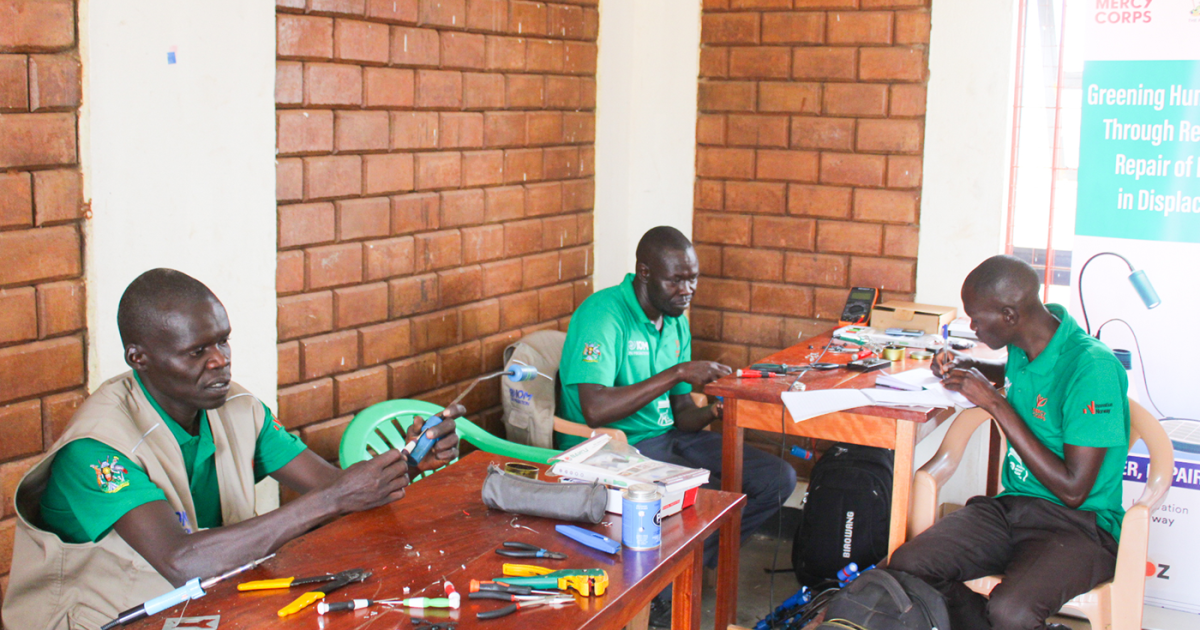
Report on the E-Waste Circular Economy Initiative in Ugandan Displacement Settings
Project Overview and Strategic Partnerships
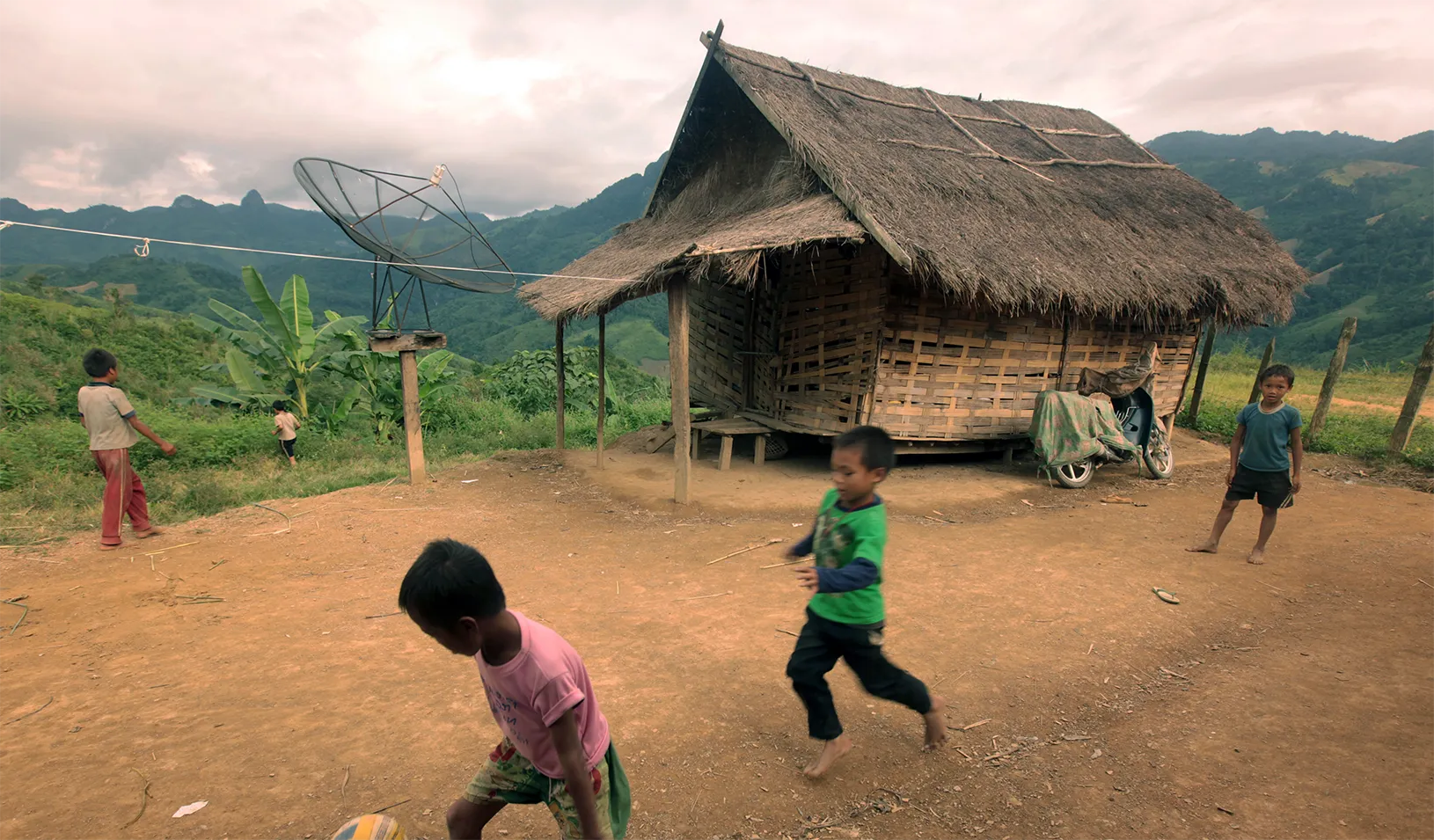
In 2022, a pilot project titled “Greening Humanitarian Responses through Recovery, Repair, and Recycling of Solar Products in Displacement Settings” was initiated. This project represents a strategic partnership between Mercy Corps, the International Organization for Migration (IOM), and Innovation Norway, directly addressing SDG 17 (Partnerships for the Goals). The initiative was subsequently scaled into the E-Waste Circular Economy Scale Project, located in the Bidibidi Refugee Settlement and the host community of Yumbe District, Uganda. The project’s primary objective is to establish a self-sustaining, financially viable circular economy model for e-waste management, specifically targeting solar products in an off-grid community of over 270,000 refugees.
Alignment with Sustainable Development Goals (SDGs)
The project’s design and implementation are fundamentally aligned with several key Sustainable Development Goals, creating a multi-faceted impact on community well-being and environmental health.
- SDG 7 (Affordable and Clean Energy): By establishing systems for the repair and recycling of solar lanterns and off-grid products, the project ensures the longevity and sustainability of clean energy access for a population entirely dependent on it.
- SDG 8 (Decent Work and Economic Growth): The initiative fosters local economic empowerment by creating employment opportunities through a community-led E-Waste cooperative, repair hubs, and mobile collection services, thereby generating sustainable income.
- SDG 11 (Sustainable Cities and Communities): The project directly improves waste management within the settlement, mitigating the significant health and environmental risks posed by hazardous e-waste and making the community safer and more resilient.
- SDG 12 (Responsible Consumption and Production): At its core, the project champions a circular economy model. It actively promotes the principles of recovery, repair, and recycling, moving away from a linear “take-make-dispose” pattern and fostering responsible consumption.
- SDG 13 (Climate Action): Proper management and recycling of e-waste prevent the release of harmful substances into the environment and reduce the carbon footprint associated with manufacturing new products.
Key Outcomes and Impact
The project has achieved significant outcomes that provide a framework for future replication and scaling, each contributing to specific SDG targets.
- Establishment of a Sustainable Economic Model: A community-led E-Waste cooperative was successfully registered, creating a financially viable framework that supports SDG 8. This model has already generated $625.60 in revenue for the community.
- Enhanced Community Awareness and Participation: E-waste awareness campaigns reached over 110,920 community members, promoting responsible disposal practices and contributing to the behavioral change necessary to achieve SDG 11 and SDG 12.
- Development of Scalable Infrastructure: The project established satellite repair hubs and introduced mobile e-waste collection and repair services. This created a flexible and adaptable management model that can be replicated in other locations to advance global sustainability goals.
Lessons Learned and Recommendations for Scalability
The initiative serves as a learning model for implementing circular economy solutions in humanitarian contexts. Key insights confirm that such projects can successfully advance multiple SDGs simultaneously.
- The financial viability of a community-led circular economy model is proven, offering a sustainable pathway to achieving SDG 8 in displacement settings.
- Deep integration with the local ecosystem is critical for success, reinforcing the community-centric approach required by SDG 11.
- The development of flexible and adaptable management models is essential for scaling solutions across diverse contexts, providing a blueprint for expanding impact through partnerships as envisioned in SDG 17.
Sustainable Development Goals (SDGs) Addressed
The article highlights issues and solutions that are directly connected to several Sustainable Development Goals. The project’s focus on e-waste management, sustainable energy, economic empowerment, and partnerships in a refugee settlement touches upon the core principles of the following SDGs:
- SDG 7: Affordable and Clean Energy
- SDG 8: Decent Work and Economic Growth
- SDG 11: Sustainable Cities and Communities
- SDG 12: Responsible Consumption and Production
- SDG 17: Partnerships for the Goals
Specific SDG Targets Identified
Based on the project’s activities and objectives described in the article, several specific SDG targets can be identified:
SDG 7: Affordable and Clean Energy
- Target 7.1: By 2030, ensure universal access to affordable, reliable and modern energy services. The article states that in Bidibidi Refugee Settlement, “solar lanterns and off-grid solar products [are] the primary energy source.” The project’s work in facilitating the “collection and repair of solar lanterns” directly contributes to maintaining and extending access to these essential energy services for a community off the national grid.
SDG 8: Decent Work and Economic Growth
- Target 8.3: Promote development-oriented policies that support productive activities, decent job creation, entrepreneurship, creativity and innovation. The project promotes local entrepreneurship by establishing a “community-led E-Waste cooperative” and creating a “self-sustaining, financially viable circular economy model.” This fosters local employment and innovation in waste management.
SDG 11: Sustainable Cities and Communities
- Target 11.6: By 2030, reduce the adverse per capita environmental impact of cities, including by paying special attention to air quality and municipal and other waste management. The project directly addresses this target by tackling the “environmental and health risks posed by improperly disposed solar products” in the Bidibidi Refugee Settlement, which functions as a high-density community. It creates a formal system for managing e-waste where none existed.
SDG 12: Responsible Consumption and Production
- Target 12.5: By 2030, substantially reduce waste generation through prevention, reduction, recycling and reuse. The project is fundamentally based on this target. Its aim to create a “circular economy model” through the “Recovery, Repair, and Recycling of Solar Products” is a direct implementation of reducing waste through reuse (repair) and recycling.
SDG 17: Partnerships for the Goals
- Target 17.17: Encourage and promote effective public, public-private and civil society partnerships, building on the experience and resourcing strategies of partnerships. The article explicitly states the project is a multi-stakeholder partnership: “Mercy Corps, in partnership with the International Organization for Migration (IOM) and supported by Innovation Norway.” This collaboration is a clear example of a partnership to achieve sustainable development objectives.
Indicators for Measuring Progress
The article mentions or implies several quantitative and qualitative indicators that can be used to measure progress towards the identified targets:
Indicators for SDG 7 & 12
- Number of solar products repaired and returned to use: The article mentions the “collection and repair of solar lanterns.” Tracking the number of repaired units is a direct indicator of extending access to clean energy (Target 7.1) and promoting reuse (Target 12.5).
- Volume of e-waste collected: An implied indicator is the amount of e-waste collected. The project’s goal to achieve “sufficient e-waste volume to ensure economies of scale” suggests that this is a key metric for success in waste management (Targets 11.6 and 12.5).
Indicators for SDG 8
- Revenue generated by the community cooperative: The article provides a specific figure: “these activities have generated $625.60 in revenue for the community.” This is a direct financial indicator of the project’s success in creating economic opportunities (Target 8.3).
- Establishment of community-led enterprises: The registration of a “community-led E-Waste cooperative” is a qualitative indicator of progress towards fostering local entrepreneurship and creating sustainable local economic structures (Target 8.3).
Indicators for SDG 12
- Number of people reached through awareness campaigns: The article states the project “reached over 110,920 community members with e-waste awareness campaigns.” This indicator measures efforts to change consumer behavior and promote responsible disposal, which is crucial for reducing waste generation (Target 12.5).
Indicators for SDG 17
- Existence of a multi-stakeholder partnership: The formal partnership between “Mercy Corps, IOM, and Innovation Norway” serves as a primary indicator of achieving Target 17.17, demonstrating a functional collaboration between civil society and international organizations.
Summary of Findings
| SDGs | Targets | Indicators |
|---|---|---|
| SDG 7: Affordable and Clean Energy | 7.1: Ensure universal access to affordable, reliable and modern energy services. | Number of solar lanterns repaired and returned to service. |
| SDG 8: Decent Work and Economic Growth | 8.3: Promote development-oriented policies that support productive activities, decent job creation, and entrepreneurship. | Revenue generated by the community ($625.60); Establishment of a community-led E-Waste cooperative. |
| SDG 11: Sustainable Cities and Communities | 11.6: Reduce the adverse per capita environmental impact of cities, including by paying special attention to waste management. | (Implied) Volume of e-waste collected and properly managed within the settlement. |
| SDG 12: Responsible Consumption and Production | 12.5: Substantially reduce waste generation through prevention, reduction, recycling and reuse. | Establishment of a circular economy model for e-waste; Number of community members reached by awareness campaigns (110,920). |
| SDG 17: Partnerships for the Goals | 17.17: Encourage and promote effective public, public-private and civil society partnerships. | Existence of the formal partnership between Mercy Corps, IOM, and Innovation Norway. |
Source: mercycorps.org
What is Your Reaction?
 Like
0
Like
0
 Dislike
0
Dislike
0
 Love
0
Love
0
 Funny
0
Funny
0
 Angry
0
Angry
0
 Sad
0
Sad
0
 Wow
0
Wow
0