




































Scientist shares startling warning for daily coffee drinkers: ‘Perhaps try making less [of it]’ – The Cool Down
![Scientist shares startling warning for daily coffee drinkers: ‘Perhaps try making less [of it]’ – The Cool Down](https://www.thecooldown.com/wp-content/themes/tcd/assets/images/divider-icon-earth.svg?#)
Environmental Impact of Coffee Waste on Waterways and Sustainable Development Goals
Introduction
Pouring coffee down street drains contributes to caffeine pollution in waterways, posing a threat to aquatic ecosystems. This issue intersects with several Sustainable Development Goals (SDGs), particularly SDG 6 (Clean Water and Sanitation), SDG 14 (Life Below Water), and SDG 15 (Life on Land), which emphasize the protection and sustainable management of water resources and ecosystems.
Incident Overview
A recent incident in Richmond, London, involved a woman fined $200 for pouring coffee down a street drain. Although the fine was later rescinded, the event sparked public discussion on the environmental consequences of disposing coffee waste improperly. This highlights the importance of responsible waste management aligned with SDG 12 (Responsible Consumption and Production).
Scale of Coffee Consumption and Pollution
- Approximately 98 million cups of coffee are consumed daily in the U.K.
- Globally, around 2 billion cups of coffee are consumed daily.
According to environmental scientist Kevin Collins, while a single cup of discarded coffee may seem negligible, the cumulative effect of millions of cups poured into drains daily significantly increases caffeine pollution in rivers and waterways.
Scientific Findings on Caffeine Pollution
- A study covering 258 rivers across 104 countries detected caffeine in over half of the sampled sites, including remote locations such as Antarctica.
- Caffeine is classified as an emerging contaminant due to its resistance to decomposition in aquatic environments.
This contamination threatens aquatic plants and insect larvae, undermining biodiversity and ecosystem health, which are central concerns of SDG 14 and SDG 15.
Concerns Regarding Coffee in Drainage Systems
- The U.K. predominantly uses combined sewage systems that transport both rainwater and household wastewater to treatment plants.
- Increased caffeine levels in these systems can lead to higher concentrations escaping into natural water bodies.
- Caffeine and organic compounds in coffee lower water pH and deplete oxygen levels, promoting algal blooms that stress aquatic life.
Wastewater treatment plants remove 60% to 100% of caffeine depending on technology and conditions; however, incomplete removal poses ongoing risks to water quality and ecosystem sustainability (SDG 6, SDG 14).
Actions and Recommendations for Sustainable Coffee Waste Disposal
To mitigate caffeine pollution and support SDG targets, the following measures are recommended:
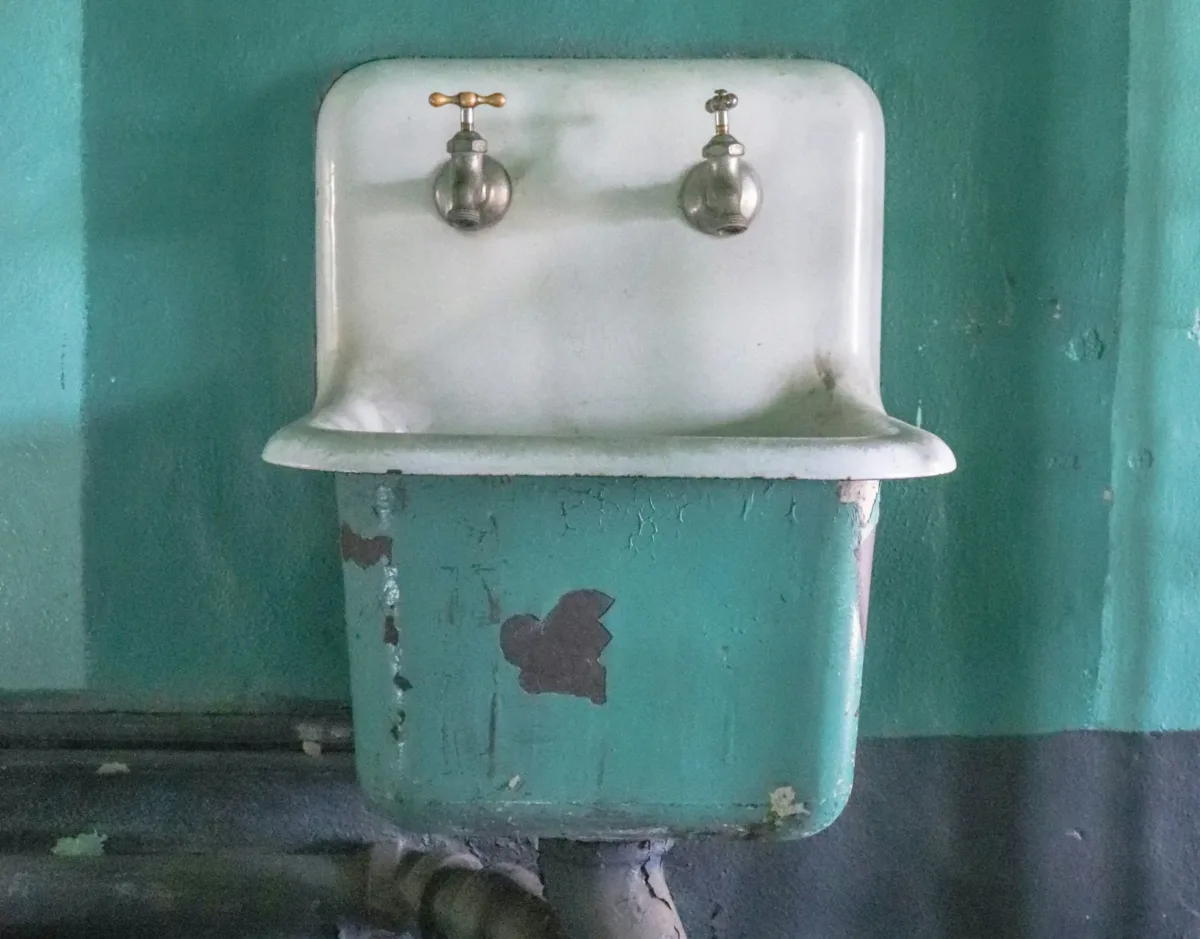
- Avoid disposing of coffee into street drains or kitchen sinks to prevent contamination of water systems.
- Reduce coffee waste by brewing only the amount intended for consumption.
- Utilize diluted coffee as a garden fertilizer cautiously to prevent caffeine accumulation in soil.
- Avoid single-use coffee products to minimize waste generation, supporting SDG 12.
Environmental expert Kevin Collins emphasizes the responsibility of individuals to prevent pollutants from entering water systems, aligning with the principles of SDG 6 and SDG 15.
Conclusion
Addressing coffee-related caffeine pollution requires collective action to protect aquatic ecosystems and promote sustainable water management. These efforts contribute directly to achieving multiple Sustainable Development Goals, including clean water, responsible consumption, and life below water.
1. Sustainable Development Goals (SDGs) Addressed or Connected
- SDG 6: Clean Water and Sanitation
- The article discusses caffeine pollution in waterways caused by pouring coffee down drains, affecting water quality and aquatic ecosystems.
- SDG 14: Life Below Water
- The contamination of rivers, streams, and aquatic life by caffeine and organic compounds from coffee waste threatens marine plants and animals.
- SDG 12: Responsible Consumption and Production
- The article emphasizes reducing coffee waste at the source by brewing only what is needed and avoiding single-use coffee products.
- SDG 15: Life on Land
- Potential impacts on terrestrial ecosystems through caffeine buildup in soil when coffee grounds are repeatedly applied.
2. Specific Targets Under Those SDGs
- SDG 6: Clean Water and Sanitation
- Target 6.3: Improve water quality by reducing pollution, minimizing release of hazardous chemicals and materials.
- SDG 14: Life Below Water
- Target 14.1: Prevent and significantly reduce marine pollution of all kinds, including nutrient pollution.
- SDG 12: Responsible Consumption and Production
- Target 12.5: Substantially reduce waste generation through prevention, reduction, recycling, and reuse.
- SDG 15: Life on Land
- Target 15.1: Ensure the conservation, restoration and sustainable use of terrestrial and inland freshwater ecosystems.
3. Indicators Mentioned or Implied in the Article
- Indicator for Target 6.3 (Water Quality)
- Presence and concentration levels of caffeine in rivers and waterways (e.g., study cited found caffeine in over half of 258 rivers sampled worldwide).
- Effectiveness of wastewater treatment plants in removing caffeine (removal rates between 60% to 100%).
- Indicator for Target 14.1 (Marine Pollution)
- Measurement of organic compounds and nutrient levels in water bodies that contribute to oxygen depletion and algal growth.
- Indicator for Target 12.5 (Waste Reduction)
- Reduction in coffee waste generation by consumers (e.g., brewing only what is needed, avoiding single-use coffee products).
- Indicator for Target 15.1 (Ecosystem Conservation)
- Monitoring caffeine buildup in soil where coffee grounds are repeatedly applied.
4. Table of SDGs, Targets, and Indicators
| SDGs | Targets | Indicators |
|---|---|---|
| SDG 6: Clean Water and Sanitation | Target 6.3: Improve water quality by reducing pollution and hazardous releases. |
|
| SDG 14: Life Below Water | Target 14.1: Prevent and reduce marine pollution including nutrient pollution. |
|
| SDG 12: Responsible Consumption and Production | Target 12.5: Substantially reduce waste generation through prevention and reuse. |
|
| SDG 15: Life on Land | Target 15.1: Conservation and sustainable use of terrestrial and freshwater ecosystems. |
|
Source: thecooldown.com
What is Your Reaction?
 Like
0
Like
0
 Dislike
0
Dislike
0
 Love
0
Love
0
 Funny
0
Funny
0
 Angry
0
Angry
0
 Sad
0
Sad
0
 Wow
0
Wow
0