































Scientists tracking impact as desalinated water flows into Sea of Galilee for first time – The Times of Israel
Report on the Ecological Impact and SDG Alignment of Replenishing the Sea of Galilee with Desalinated Water
Project Overview and Strategic Importance
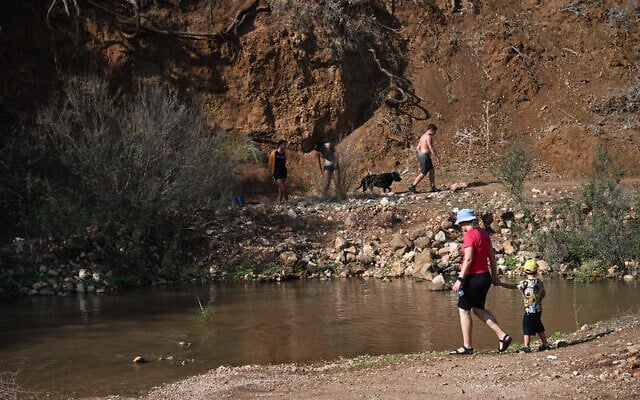
A groundbreaking project has been initiated to address the declining water levels of the Sea of Galilee, Israel’s largest freshwater lake and main emergency drinking water source. In a world-first application, desalinated seawater is being pumped into the lake to ensure its stability. The project commenced on October 23, with a flow rate of 1,000 cubic meters per hour. This initiative is a direct response to severe drought conditions experienced between 2013 and 2018 and subsequent years of below-average rainfall, which have threatened the lake’s ecosystem and its viability as a water resource.
Alignment with Sustainable Development Goals (SDGs)
This water management strategy directly supports several United Nations Sustainable Development Goals (SDGs) through its innovative approach to water security and environmental protection.
- SDG 6: Clean Water and Sanitation: The project is a critical intervention for integrated water resources management (Target 6.5) and addresses water scarcity (Target 6.4) by supplementing a vital natural freshwater body, thereby securing a resilient drinking water supply for the future.
- SDG 14: Life Below Water & SDG 15: Life on Land: A central component of the project is the rigorous scientific monitoring to protect the lake’s aquatic biodiversity and the connected Tsalmon Stream. This aligns with goals to conserve and sustainably use freshwater ecosystems (Target 15.1) and protect aquatic life from pollution and other adverse impacts (Target 14.2).
- SDG 9: Industry, Innovation, and Infrastructure & SDG 13: Climate Action: The project represents a significant advancement in resilient water infrastructure (Target 9.1) and serves as a crucial climate adaptation strategy (Target 13.1) to combat the effects of climate change-induced drought.
Scientific Monitoring and Ecological Assessment
The Kinneret Limnological Laboratory is conducting a comprehensive, real-time analysis to assess the chemical and biological impact of introducing desalinated water into the lake’s ecosystem. While preliminary tests indicated minimal negative effects, this ongoing monitoring is essential to validate those findings and ensure the long-term health of the lake, directly contributing to the objectives of SDG 14.
Key Monitoring Parameters
Researchers are focused on a specific set of chemical and biological indicators to track the influence of the desalinated water as it flows through the Tsalmon Stream and into the Sea of Galilee.
- Chlorine Levels: Analysis of residual chlorine added during its passage through the national water system.
- Nutrient Contamination: Measurement of nitrogen and phosphorus, as excess levels can cause harmful algal blooms that deplete oxygen and harm aquatic life.
- Micronutrient Traces: Examination for the presence of silica, iron, and sulphates picked up from the dry stream bed.
- Biological Contaminants: Testing for fecal coli bacteria to detect potential contamination from livestock or sewage leaks, ensuring the water remains safe (SDG 6).
- Food Chain Impact: Studying changes in algae, which form the base of the lake’s food chain, to understand broader ecosystem effects.
Methodology and Preliminary Outlook
- Sampling Locations: Samples are being systematically collected from several points along the stream and from three distinct locations in the lake’s delta, where the new water enters.
- Monitoring Duration: The scientific assessment is planned to continue for at least one year to establish reliable data and identify any long-term trends.
- Initial Assessment: Scientists report that due to the vast volume of the lake (four billion cubic meters), the initial quantities of desalinated water are too small to cause significant harm. No alarming effects have been observed to date. The delta area remains the most critical point for early detection of any potential ecological disturbances.
Analysis of Sustainable Development Goals in the Article
1. Which SDGs are addressed or connected to the issues highlighted in the article?
-
SDG 6: Clean Water and Sanitation
This goal is central to the article, which discusses a project to address water scarcity by replenishing the Sea of Galilee, described as the “main emergency drinking water source.” The entire initiative focuses on managing freshwater resources and ensuring water security.
-
SDG 14: Life Below Water
Although this SDG primarily concerns marine environments, its principles of protecting aquatic ecosystems are highly relevant. The article details the extensive scientific monitoring of the lake’s ecosystem to assess the “ecological impact of the desalinated water.” Researchers are specifically checking for pollutants and their effects on aquatic life, such as how excess nutrients can “lead to algal blooms, which can deprive aquatic life forms of light and harm fish.”
-
SDG 13: Climate Action
The project is a direct response to the impacts of climate change. The article states it was “conceived toward the end of several disastrous drought years” and notes that “Last winter, Israel received only half of its yearly average rainfall.” The initiative serves as an adaptation strategy to strengthen resilience against climate-related hazards like drought.
-
SDG 9: Industry, Innovation and Infrastructure
The article describes a “groundbreaking project” that is a “first example in the world of topping up a freshwater lake with processed seawater.” This represents a significant innovation in water management and the development of resilient infrastructure to combat water scarcity.
2. What specific targets under those SDGs can be identified based on the article’s content?
-
SDG 6: Clean Water and Sanitation
- Target 6.4: By 2030, substantially increase water-use efficiency and ensure sustainable withdrawals and supply of freshwater to address water scarcity. The project directly addresses this by creating a new, sustainable supply of freshwater to replenish the Sea of Galilee, thereby tackling the problem of its declining levels due to drought.
- Target 6.5: By 2030, implement integrated water resources management. The project is a prime example of integrated management, combining desalination technology (a non-conventional water source) with the management of a natural freshwater body to ensure overall water security.
- Target 6.6: By 2020, protect and restore water-related ecosystems. The core aim of the project is to halt the lake’s decline and restore its water levels, which is a direct action to protect and restore this vital freshwater ecosystem from the damage caused by low water levels.
-
SDG 14: Life Below Water
- Target 14.1: By 2025, prevent and significantly reduce marine pollution of all kinds, in particular from land-based activities, including nutrient pollution. The scientific monitoring described in the article is focused on preventing pollution. Researchers are checking for “nutrients such as nitrogen and phosphorus,” “fecal coli bacteria,” and “chlorine” to ensure the new water flow does not harm the lake’s ecosystem.
- Target 14.2: Sustainably manage and protect marine and coastal ecosystems to avoid significant adverse impacts, including by strengthening their resilience. The project aims to strengthen the lake’s resilience to drought, and the continuous monitoring ensures that this intervention is managed sustainably to avoid adverse ecological impacts.
-
SDG 13: Climate Action
- Target 13.1: Strengthen resilience and adaptive capacity to climate-related hazards and natural disasters. The project is a direct adaptation measure to the “disastrous drought years” and low rainfall linked to climate change, enhancing the region’s capacity to cope with water scarcity.
-
SDG 9: Industry, Innovation and Infrastructure
- Target 9.1: Develop quality, reliable, sustainable and resilient infrastructure. The system for desalinating seawater and pumping it into the lake is a form of resilient infrastructure designed to guarantee a water supply even during periods of severe drought.
3. Are there any indicators mentioned or implied in the article that can be used to measure progress towards the identified targets?
Yes, the article mentions several specific indicators being used to measure the project’s impact and progress:
-
Physical Water Level Indicators
The article explicitly states that the project is expected to “raise the lake’s level by around 0.5 centimeters (0.2 inches) per month.” It also provides the current measurement (“213.435 meters (700.2 feet) below sea level”) and the critical threshold (“the lower red line of minus 213 meters”). These measurements are direct indicators of progress in combating water scarcity (Target 6.4).
-
Water Quality and Pollution Indicators
To measure the ecological impact and prevent pollution (Targets 6.6 and 14.1), scientists are monitoring specific chemical and biological indicators. The article lists these as:
- The presence and quantity of nutrients like nitrogen and phosphorus.
- The presence of fecal coli bacteria.
- The effect of chlorine.
- Traces of micronutrients such as silica, iron, and sulphates.
-
Ecosystem Health Indicators
To assess the overall health of the aquatic ecosystem (Targets 6.6 and 14.2), the article mentions that “scientists will be analyzing them [algae] for changes that could be linked to the desalinated water.” Changes in the algae population, which forms the base of the lake’s food chain, serve as a key indicator of the ecosystem’s response to the new water source.
4. Table of SDGs, Targets, and Indicators
| SDGs | Targets | Indicators Identified in the Article |
|---|---|---|
| SDG 6: Clean Water and Sanitation |
6.4: Address water scarcity. 6.6: Protect and restore water-related ecosystems. |
– Water level of the Sea of Galilee (meters below sea level). – Rate of water level increase (cm per month). |
| SDG 14: Life Below Water |
14.1: Prevent and reduce nutrient pollution. 14.2: Sustainably manage and protect aquatic ecosystems. |
– Presence and quantity of nitrogen and phosphorus. – Presence of fecal coli bacteria. – Levels of chlorine, silica, iron, and sulphates. – Changes in algae populations (base of the food chain). |
| SDG 13: Climate Action | 13.1: Strengthen resilience and adaptive capacity to climate-related hazards. | – Successful operation of the desalination project to supplement lake levels during periods of low rainfall and drought. |
| SDG 9: Industry, Innovation and Infrastructure | 9.1: Develop quality, reliable, sustainable and resilient infrastructure. | – Implementation of the “first example in the world” project to pump desalinated water into a freshwater lake. |
Source: timesofisrael.com
What is Your Reaction?
 Like
0
Like
0
 Dislike
0
Dislike
0
 Love
0
Love
0
 Funny
0
Funny
0
 Angry
0
Angry
0
 Sad
0
Sad
0
 Wow
0
Wow
0